


Listen to the article
U.S. President Trump Reverses Stance on Iran Ceasefire Within Hours
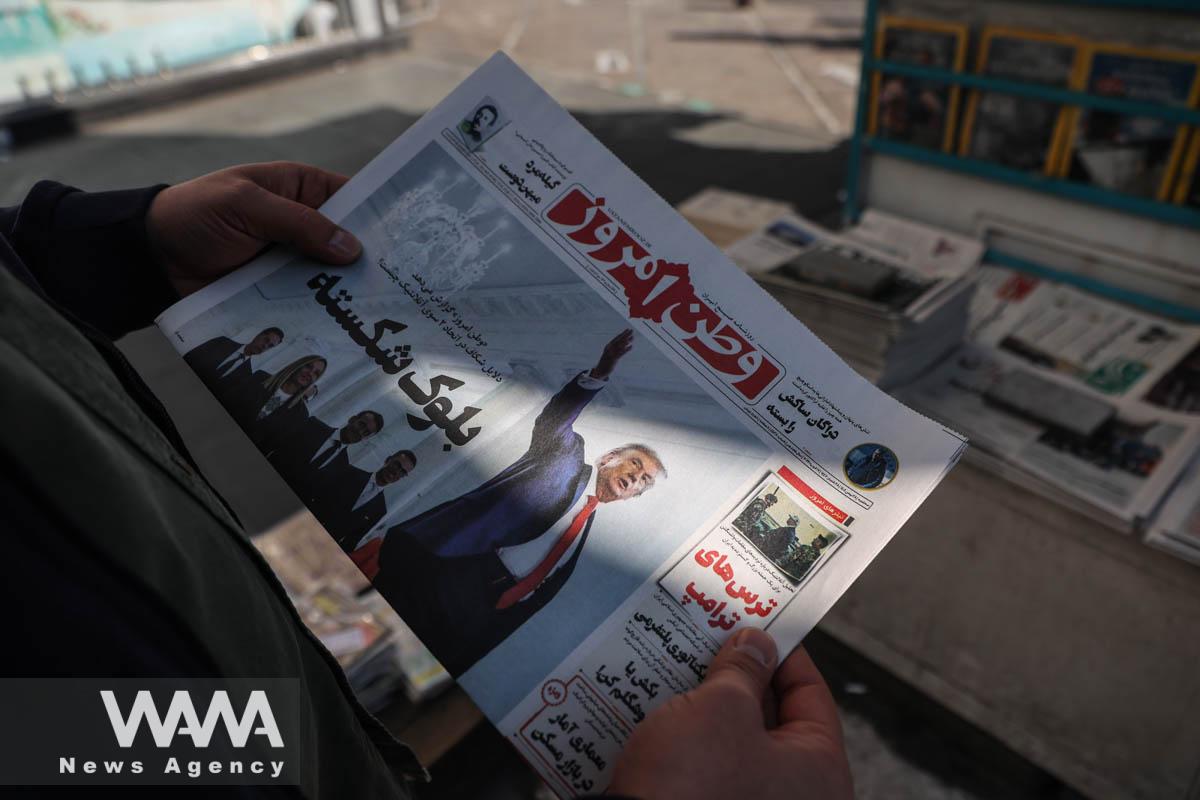
In a dramatic shift that has raised eyebrows across diplomatic circles, U.S. President Donald Trump completely reversed his position on the Iran ceasefire in less than seven hours on Monday. Initially declaring “The ceasefire will not be extended under any circumstances,” Trump later announced: “The ceasefire has been extended”—continuing a pattern of contradictory statements that has characterized his approach to foreign policy.
According to Trump, the decision to extend the ceasefire came after appeals from Pakistani officials and was intended to provide Iran time to present what he called a “coherent proposal.” He stated the ceasefire “will remain in place until Iran submits its proposal and discussions reach a conclusion in any form.”
However, diplomatic sources familiar with the situation indicate no active negotiation process is currently underway. Reports suggest Iran had already decided not to participate in planned talks in Islamabad, casting doubt on the president’s characterization of ongoing diplomatic efforts.
The sudden policy reversal comes amid a flurry of unverified reports in U.S. media about diplomatic movements, particularly regarding Vice President J.D. Vance. “This is the fifth time it has been claimed that J.D. Vance is on his way to Pakistan, yet he has never arrived,” noted one U.S. media outlet. White House sources reportedly stated: “Roughly every six hours, reports say Vance is en route to Pakistan, but none of these trips have actually taken place.”
The gap between narrative and reality extends beyond diplomatic movements. White House Press Secretary Karoline Leavitt claimed: “We destroyed 13,000 targets in Iran and did not target any civilians.” This statement stands in stark contrast to documented reports of civilian casualties, including the strike on Shajareh al-Tayyebeh school in Minab reportedly hit by two Tomahawk missiles, resulting in 156 student and teacher fatalities.
Iranian medical reports present a sobering picture of the human cost: “Among the victims are 7 infants under one year old, 255 children aged 1 to 12, and 121 teenagers aged 13 to 18.” Additionally, official data indicates extensive damage to civilian infrastructure, with “44,750 residential units damaged in Tehran alone.”
Western media has consistently promoted narratives of “internal divisions in Iran,” though without providing verifiable evidence. Official positions in Iran suggest cohesion among government, parliamentary, and military institutions in response to U.S. pressure.
The credibility gap in Trump’s statements has drawn criticism domestically. The Washington Post previously reported that “Trump made more than 30,000 false or misleading claims during his first four years in office.” Political commentator Cenk Uygur suggested, “Trump extended the negotiation deadline because there were no negotiations in the first place—Iranians did not show up, and Vance did not go.” Writer Don Winslow was more direct: “Trump’s latest statement is just another lie; he refuses to admit his complete failure.”
This pattern of contradictory narratives and rapid policy shifts carries significant implications for regional stability. Oil markets have responded with volatility to each announcement, with crude prices fluctuating by nearly 3% during Monday’s trading as investors attempted to gauge the likelihood of continued military conflict in the strategically vital Persian Gulf region.
For Iran, these developments reinforce its longstanding position regarding “the unreliability of the United States” as a negotiating partner. Tehran’s reluctance to engage diplomatically stems not merely from ideological differences but from concrete experiences with Washington’s policy inconsistency—most notably the 2018 U.S. withdrawal from the JCPOA nuclear agreement despite Iran’s verified compliance.
Foreign policy experts suggest that when major policy decisions are reversed within hours, announced negotiations fail to materialize, and official statements contradict verifiable realities, the fundamental issue becomes one of institutional trust rather than specific disagreements on terms.
“The unpredictability we’re seeing isn’t conducive to serious diplomatic engagement,” said Dr. Suzanne Maloney, Director of Foreign Policy at the Brookings Institution. “For any diplomatic process to succeed, both parties need confidence that agreements will be honored beyond immediate political calculations.”
As tensions remain high across the Middle East, the credibility gap between statements and actions continues to pose one of the most significant obstacles to de-escalation efforts in a region already burdened by multiple ongoing conflicts.
Fact Checker
Verify the accuracy of this article using The Disinformation Commission analysis and real-time sources.

8 Comments
While it’s important to allow time for diplomacy, the president’s contradictory statements make it difficult to assess the true state of negotiations. Consistent and credible communication from the White House would help provide clarity on this issue.
This continued pattern of contradictory statements from President Trump on foreign policy is certainly concerning. It raises questions about the reliability and transparency of the administration’s decision-making process.
I agree, the rapid policy reversals undermine confidence in the White House’s ability to conduct coherent and consistent diplomacy.
The recurring pattern of disinformation from the Trump administration, as highlighted in this report, is deeply troubling. Rebuilding trust in U.S. foreign policy will require a return to more transparent and accountable governance.
I agree. Restoring credibility on the global stage should be a top priority for the administration.
This report sheds light on the persistent problems with disinformation emanating from the White House. Addressing these issues should be a matter of utmost importance for policymakers and the public alike.
The lack of an active negotiation process, as reported by diplomatic sources, casts doubt on Trump’s claims about ongoing efforts to reach a resolution with Iran. Transparency and clear communication are vital in sensitive international affairs.
Absolutely. If the administration is not being fully forthright about the diplomatic situation, that is a major cause for concern.