


Listen to the article
Russian authorities have launched an investigation into a major publishing house for alleged violation of the country’s stringent anti-LGBT laws, marking another significant step in the Kremlin’s growing crackdown on what it deems “non-traditional values.”
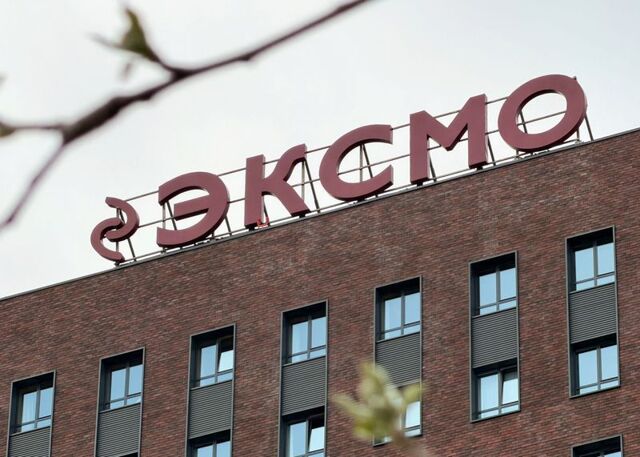
Staff members at Eksmo-AST, Russia’s largest publishing conglomerate, were summoned for questioning this week following accusations that several books published by the company contained “LGBT propaganda.” The investigation comes amid an intensifying campaign against what Russian officials characterize as Western liberal influences corrupting traditional Russian values.
Sources familiar with the situation report that investigators are examining multiple titles released by the publishing house in recent years. Among the books under scrutiny are several works of fiction and young adult literature that feature LGBT characters or themes—content that may now violate Russia’s expanded laws against “LGBT propaganda.”
Eksmo-AST, which controls approximately 40 percent of Russia’s book market, has remained cautious in its public statements, acknowledging only that “some employees are cooperating with authorities” regarding questions about specific publications. The publisher has not released a comprehensive list of the titles being investigated.
Russia has significantly expanded its anti-LGBT legislation since 2022, when President Vladimir Putin signed a law banning all forms of what the government classifies as “LGBT propaganda.” This law extended previous restrictions that had only applied to content aimed at minors. Under the current legislation, any positive or neutral depictions of LGBT relationships in media, literature, advertising, films, or public forums are effectively prohibited.
Legal experts note that the law’s deliberately vague wording allows authorities considerable latitude in its application. Violations can result in substantial fines for individuals and organizations, with penalties ranging from 100,000 to 5 million rubles (approximately $1,100 to $55,000).
“This investigation represents a concerning escalation in how these laws are being enforced,” explains Maria Kuznetsova, a literary rights advocate based in Berlin. “Publishers are increasingly caught between censorship and criminal liability, forcing many to self-censor to avoid legal consequences.”
The publishing industry in Russia has already been adapting to the restrictive environment. Multiple sources within the Russian book market report that editors now routinely reject manuscripts containing LGBT characters or themes, while bookstores have removed potentially problematic titles from their shelves.
Some publishers have taken to adding black label warnings to books containing potentially sensitive content, similar to those found on cigarette packages, though this practice offers little legal protection if authorities decide to pursue charges.
The Eksmo-AST investigation comes against the backdrop of what many observers describe as an accelerating conservative turn in Russian domestic policy. Since the beginning of Russia’s full-scale invasion of Ukraine, the Kremlin has intensified its rhetoric against Western values and has taken steps to further isolate Russian society from outside cultural influences.
Last year, Russia’s Supreme Court declared the “international LGBT movement” an extremist organization, effectively criminalizing any organized LGBT advocacy. Several writers and cultural figures have faced public criticism or professional consequences for expressing views perceived as sympathetic to LGBT rights.
International publishers and rights organizations have expressed alarm over the investigation. The International Publishers Association issued a statement calling the actions “a clear threat to freedom of expression and the right to publish diverse perspectives.”
Russian officials defend the measures as necessary to protect traditional values and shield Russian society from what they characterize as harmful foreign influences. Vyacheslav Volodin, speaker of Russia’s lower house of parliament, recently stated that such laws are essential to “protect Russia’s future generations from moral degradation.”
For Russia’s publishing industry, already navigating wartime economic challenges and paper shortages, the investigation signals further potential difficulties ahead. Industry analysts suggest publishers may respond by becoming even more conservative in their editorial decisions, further limiting the diversity of literary voices available to Russian readers.
As the investigation proceeds, publishing professionals across Russia are watching closely, aware that the outcome could set precedents for how broadly authorities will apply the propaganda laws to literary works in the future.
Fact Checker
Verify the accuracy of this article using The Disinformation Commission analysis and real-time sources.

9 Comments
This investigation into alleged LGBT propaganda in Russian publishing feels like part of a wider crackdown on diversity and inclusion. I hope the authorities take a balanced and fair approach rather than outright censorship.
Yes, it’s concerning to see these types of ideological purges in the book industry. Creative expression should not be stifled by government overreach.
While I respect Russia’s desire to maintain its cultural identity, this crackdown on LGBT-themed books seems like an overreaction. Literature can be a powerful tool for fostering empathy and understanding across differences.
Agreed. Banning books that feature LGBT characters or themes is a form of censorship that stifles important dialogues. Russia should tread carefully to avoid alienating its own citizens and the international community.
This move by Russian authorities is likely to have a chilling effect on the publishing industry and artistic freedom more broadly. I hope they can find a way to balance cultural preservation with intellectual openness.
Absolutely. Creativity and free expression should not be sacrificed on the altar of political ideology. A vibrant, pluralistic society requires tolerance of differing views.
This investigation into Eksmo-AST over alleged LGBT propaganda in its publications is concerning. I hope the authorities take a nuanced, evidence-based approach rather than relying on ideological witch hunts.
While I understand the desire to preserve traditional values, censoring literature that features LGBT characters or themes seems heavy-handed. Books can be powerful tools for education and understanding diverse perspectives.
Agreed. A diverse range of voices and stories is important, even if they challenge the status quo. Banning books is a slippery slope that often backfires.