


Listen to the article
#
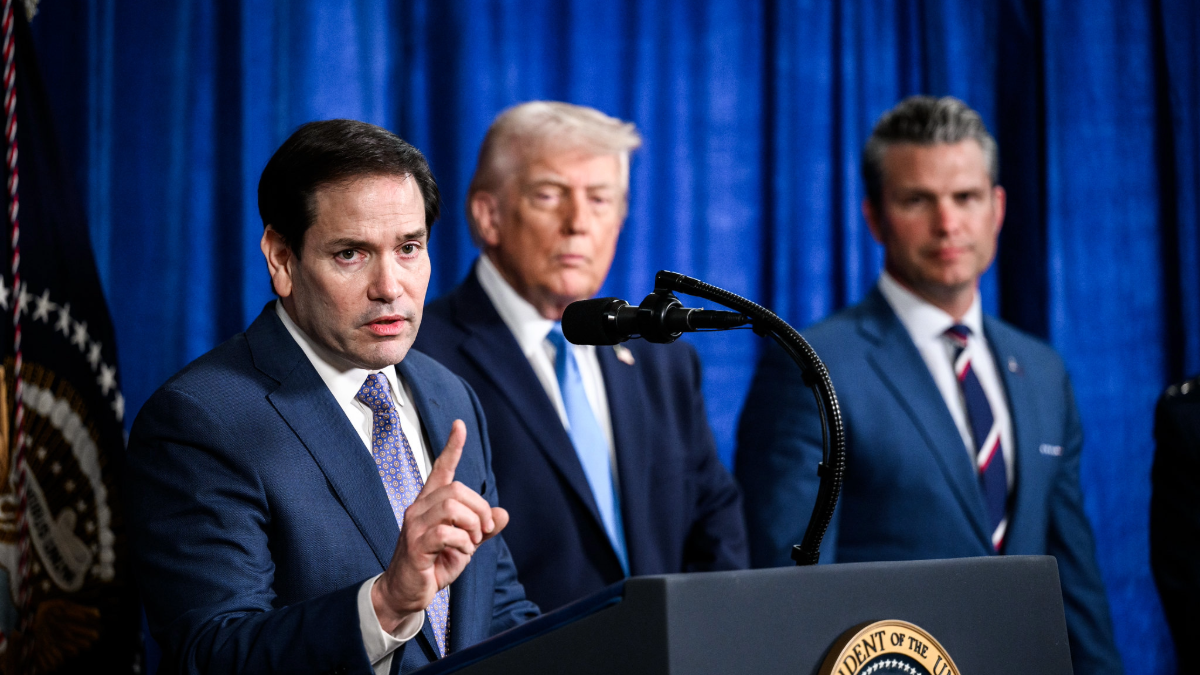
Secretary of State Marco Rubio has sparked international controversy by imposing visa restrictions on former EU Commissioner Thierry Breton and several civil society leaders, accusing them of being “agents of the global censorship-industrial complex.” The move, announced shortly before Christmas, has escalated tensions between the Trump administration and European regulatory authorities.
The restrictions target individuals who have been involved in Europe’s efforts to regulate major technology platforms, particularly through the Digital Services Act (DSA). Rubio claimed these “ideologues in Europe” have “led organized efforts to coerce American platforms to punish American viewpoints they oppose.”
Critics of the administration’s decision point out significant factual discrepancies in these claims. The DSA, adopted by the European Union in 2022, requires large platforms and search engines to assess potential “systemic risks” they may cause and to make their content moderation processes more transparent. The legislation was developed after more than a decade of concerns about the spread of extremist content, hate speech, and disinformation on social media platforms across Europe.
The regulatory framework emerged after initial attempts at industry self-regulation failed to adequately address these concerns. European officials have emphasized that the DSA is not designed to censor speech but rather to create accountability for how major platforms operate and moderate content.
The administration’s move follows a €120 million fine issued by the EU against X (formerly Twitter) in early December. The fine was not based on the speech hosted on the platform but on the company’s failure to meet transparency requirements under the DSA. Elon Musk, X’s owner, responded by attacking the EU itself in what many observers viewed as a disproportionate reaction.
Technology policy experts suggest the administration’s hostility toward European regulations reflects broader political objectives beyond concerns about free speech. Some analysts believe the visa restrictions are designed to undermine regulatory efforts that might expose or limit the amplification of far-right political messaging in Europe.
The administration has openly supported what it terms “patriotic European parties” in its National Security Strategy, many of which have faced criticism for promoting anti-immigration rhetoric and disinformation online. By targeting European regulators, critics argue the administration is attempting to protect communication channels vital to these political allies.
The conflict also highlights tensions over market power and corporate interests. Silicon Valley firms have consistently opposed regulatory frameworks that impose additional compliance burdens or transparency requirements, particularly as they seek to expand AI products into European markets without constraints.
Meanwhile, the administration faces accusations of hypocrisy as it implements what critics describe as unprecedented censorship within the United States. Reports indicate government websites have been repurposed for political messaging, while scientific and public health experts have allegedly been silenced. Additional concerns include weaponization of federal agencies against media outlets, restrictions on academic freedom, and attempts to limit certain forms of protest.
The controversy underscores fundamental disagreements about how democracies should address online harms while protecting free expression. As European officials defend their regulatory approach as necessary and proportionate, the administration’s unprecedented diplomatic action signals a deepening transatlantic divide on digital governance issues that could have lasting implications for international relations and the future of online speech regulation.
Fact Checker
Verify the accuracy of this article using The Disinformation Commission analysis and real-time sources.

7 Comments
Curious to hear more expert analysis on the claimed ‘discrepancies’ between the Trump administration’s rhetoric and the actual intent/impact of the EU’s Digital Services Act. This seems like a complex issue worth examining carefully.
The Trump administration’s move to impose visa restrictions on European officials involved in digital regulation efforts is a concerning escalation of tensions. I hope cooler heads can prevail and the two sides can find constructive ways to address these policy differences.
The Trump administration’s accusations of European ‘ideologues’ trying to censor American views seem quite inflammatory. I wonder if there’s more nuance to the policy debates around the DSA that’s being overlooked here.
It’s important to get factual, objective information on the specifics of the EU’s digital regulations and how they may impact US-based platforms and content. Inflammatory rhetoric often obscures the real policy issues at stake.
I’m not familiar with the details of the EU’s Digital Services Act, but the Trump administration’s claims about ‘censorship’ and ‘ideologues’ seem hyperbolic. It would be helpful to hear more balanced analysis from experts on both sides of the Atlantic.
This is an interesting development in the ongoing tensions between the US and EU over content moderation policies. I’d need to see more details to fully assess the validity of the Trump administration’s claims about the ‘censorship-industrial complex’ in Europe.
From what I’ve read, the DSA legislation seems aimed at increasing transparency and accountability for tech platforms, not outright censorship. But I can understand concerns over the potential for overreach.