


Listen to the article
Foreign Disinformation Threatens Nigeria’s Democracy, EU Warns
The European Union has issued a stark warning about the escalating threat of foreign information manipulation and disinformation to Nigeria’s democratic institutions, media landscape, and public trust.
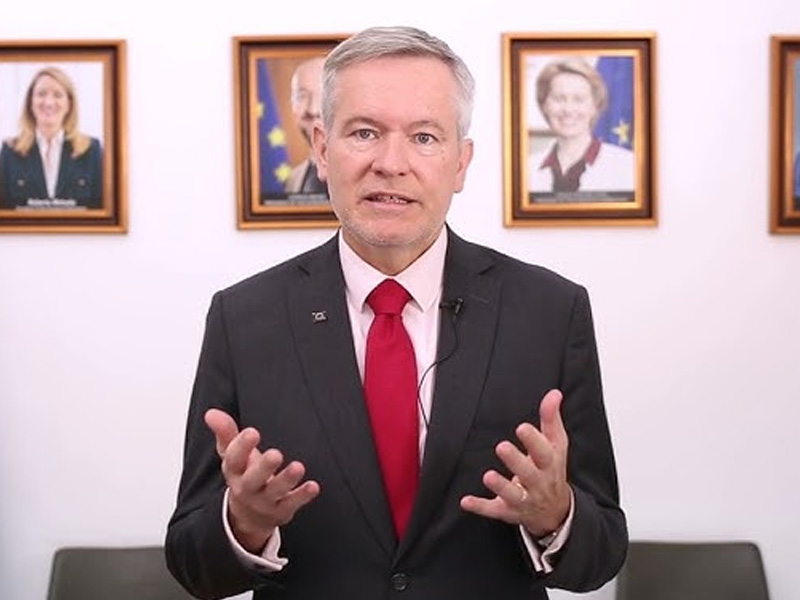
During a capacity-building workshop for the Diplomatic Correspondents Association of Nigeria (DICAN) held Monday in Abuja, EU Ambassador to Nigeria and ECOWAS, Gautier Mignot, highlighted how false and misleading information has become one of the most destabilizing forces in global public discourse.
“When people lose faith in such a critical institution as the media, democracy is at risk, and society itself becomes gravely endangered,” Mignot cautioned. He emphasized that journalists occupy a particularly vulnerable position in the information ecosystem, as they determine what information reaches the public, making them primary targets for manipulation campaigns.
The ambassador explained the parallel responsibilities that journalists and diplomats share in maintaining credibility. “If we want to remain reliable, we must ensure that the information we disseminate is accurate,” he stated.
While acknowledging that modern technology has democratized communication, Mignot warned that these advances have simultaneously created sophisticated tools for falsification. Deepfakes, doctored videos, manipulated images, and AI-generated content now circulate with such convincing authenticity that distinguishing them from legitimate information has become increasingly challenging.
The workshop’s timing reflects growing global concern about disinformation. According to a 2024 European Parliament report cited by Mignot, 85% of people worldwide worry about disinformation’s impact on their societies, with 87% believing it has already distorted political processes.
Nigeria faces particularly acute challenges in this area. Mignot referenced a 2020 Centre for Democracy and Development report showing that disinformation in Nigeria has reached unprecedented levels, exacerbating existing ethnic and religious divisions. The country’s traditional “rumour mill” has been supercharged by new technologies that allow false information to spread rapidly across multiple formats, including text, audio, memes, images, and videos.
The EU has implemented several initiatives to combat these threats in Nigeria and across West Africa. These include monitoring disinformation campaigns—particularly those targeting elections—and enhancing media literacy through nationwide training programs. Earlier this year, the EU facilitated fact-checking training for the Nigerian Guild of Editors in Lagos and continued its support for leading Nigerian fact-checking platforms such as Dubawa. The bloc has also sponsored Nigerian journalists to attend advanced training in Europe, including opportunities to report from conflict zones like Ukraine.
Mignot explained that DICAN members were specifically selected for this workshop because of their critical role in interpreting foreign information for domestic audiences. Their reporting on international affairs, including EU activities in Nigeria, positions them at the intersection between global narratives and local understanding. He also acknowledged DICAN’s previous engagement with Nigeria’s Ministry of Foreign Affairs in July, demonstrating their commitment to addressing disinformation.
The ambassador expressed particular concern about organized disinformation campaigns in West Africa that glorify anti-democratic actors, warning that such efforts continue to undermine peace and stability throughout the region. Nigeria, he stressed, must remain vigilant against attempts to distort public perception or undermine the credibility of democratic leadership.
The EU-sponsored workshop aims to equip journalists with practical tools to identify and counter foreign information manipulation, strengthen verification processes in newsrooms, and improve the overall resilience of Nigeria’s media environment.
“It is my hope that this training enhances your professional capacity and strengthens your ability to serve society with accuracy, responsibility, and integrity,” Mignot concluded, emphasizing the EU’s ongoing commitment to partnering with civil society organizations, media institutions, and youth groups to reinforce public access to credible information in Nigeria.
Fact Checker
Verify the accuracy of this article using The Disinformation Commission analysis and real-time sources.

13 Comments
I appreciate the EU’s efforts to support Nigeria in addressing this threat. Strengthening media literacy and fact-checking capabilities will be vital to protecting the country’s democratic institutions.
As an investor in mining and energy sectors, I’m concerned about how this wider disinformation problem could impact business and economic stability in Nigeria. Reliable, trustworthy information is vital for sound decision-making.
As someone with investments in Nigerian mining and energy companies, I’m concerned about the potential economic impacts of this disinformation problem. Stable, reliable information is essential for sound decision-making.
This is a complex challenge, but Nigeria must act decisively to counter foreign attempts to manipulate its information landscape. The future of its democracy hangs in the balance.
This is a timely warning from the EU. Nigeria must act swiftly to bolster its defenses against foreign manipulation of its information space. The stakes for its democracy could not be higher.
The EU is right to warn about this. Disinformation campaigns can rapidly erode faith in democratic processes. Nigeria must remain vigilant and strengthen safeguards to protect its media landscape and electoral integrity from foreign interference.
Absolutely. Robust fact-checking and media literacy initiatives will be crucial to counter these malign efforts.
I hope Nigeria is able to leverage this EU expertise and support to strengthen its resilience against foreign disinformation campaigns. Protecting the integrity of its media and democratic processes should be a top priority.
The EU ambassador is right to highlight the threat that disinformation poses to Nigeria’s democracy. Restoring and maintaining public faith in critical institutions like the media will be crucial.
I’m curious to learn more about the specific tactics and sources of these foreign disinformation attempts in Nigeria. Shining a light on the methods used can help develop better defenses.
This is a concerning development for Nigeria’s democracy. Foreign actors attempting to manipulate information is a serious threat that undermines trust in public institutions and the media. Journalists and diplomats have a critical responsibility to ensure accurate, credible information reaches the public.
The parallels drawn between the roles of journalists and diplomats in maintaining credibility are insightful. Both must uphold the highest standards of accuracy and integrity to serve the public interest.
Agreed. Disinformation erodes that vital public trust, with cascading effects across institutions and society.