


Listen to the article
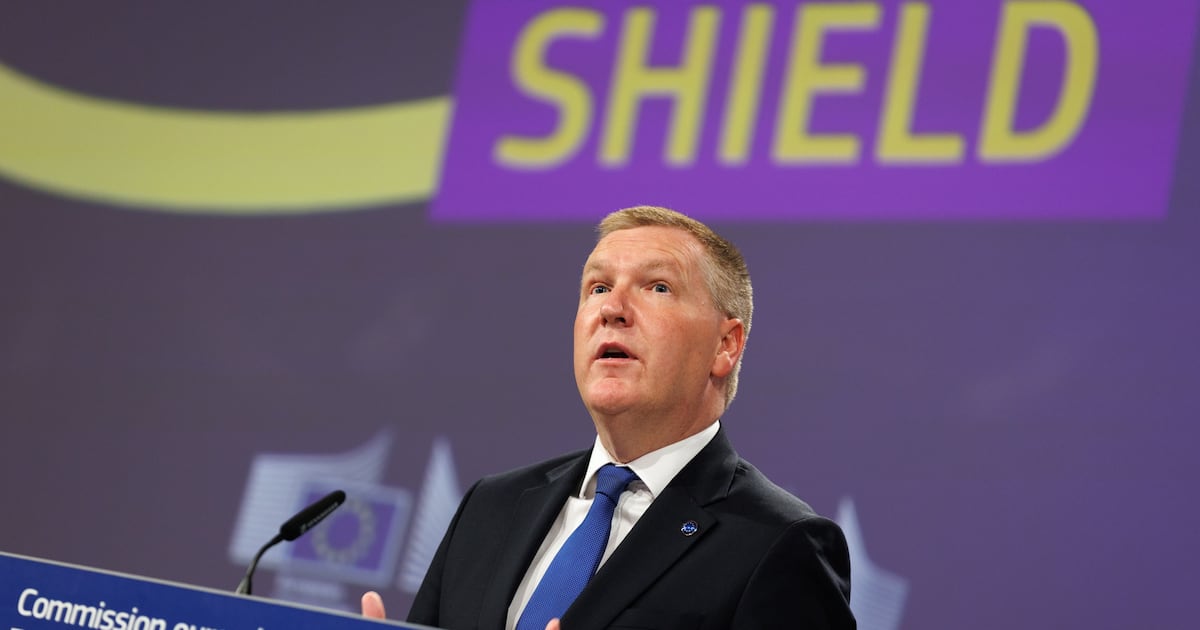
In a significant move to combat digital threats to democracy, the European Commission unveiled a new strategy on Wednesday that enlists online platforms and social media influencers in the fight against disinformation. The European Democracy Shield strategy, presented by Justice Commissioner Michael McGrath, aims to strengthen democratic processes across the continent amid growing concerns about foreign interference in national elections.
The initiative builds upon the existing Digital Services Act (DSA), which since 2022 has required tech giants like Google, Microsoft, Meta, X (formerly Twitter), and TikTok to take more aggressive action against harmful and illegal content. The new strategy pushes these platforms to expand their efforts, particularly in detecting and labeling AI-generated and manipulated content.
“The Democracy Shield connects the dots, making sure Europe’s tools and actors work together effectively in defence of our shared values,” McGrath said during Wednesday’s news conference. “The challenge is clear and let us make no mistake, the stakes are indeed very high.”
A central element of the strategy includes establishing a DSA incidents and crisis protocol to facilitate rapid coordination between authorities when large-scale disinformation operations are detected. This mechanism would enable a more unified and swift European response to emerging threats.
The announcement comes against a backdrop of increasing sophistication in foreign interference operations. Speaking ahead of the strategy’s unveiling, McGrath highlighted Russia’s “unprecedented” election interference efforts in Moldova, noting that such operations are becoming “much more sophisticated and co-ordinated and much better resourced.”
Deepfake videos created with artificial intelligence represent a particular concern. McGrath referenced a recent incident in which a deepfake video falsely portrayed Irish presidential nominee Catherine Connolly announcing her withdrawal from the election. The fraudulent video, designed to mimic an RTÉ News bulletin, amassed nearly 30,000 views and 200 shares on Facebook before being removed after approximately 12 hours.
“They’re getting better and better all the time so unsuspecting voters could very easily fall for something like that,” McGrath warned, highlighting the growing challenge of distinguishing authentic content from sophisticated AI forgeries.
The Democracy Shield strategy introduces several practical measures to address these evolving threats. Users of online platforms will be informed when algorithms are being used to promote political content, increasing transparency around how political information is disseminated online. A network of fact-checkers will work in coordination with the DSA framework to verify information and flag misleading content.
Companies that have signed the voluntary Code of Conduct on disinformation—including tech giants Google, Microsoft, Meta, and TikTok—may face increased expectations to combat AI-manipulated content. “There are very clear obligations in relation to protecting electoral integrity of the EU arising from the content that’s disseminating on their platforms,” McGrath emphasized.
In a novel approach, the Commission also recognized the growing influence of social media personalities in shaping public opinion. The strategy includes plans to establish a voluntary network of influencers to raise awareness about relevant EU rules governing online political campaigns and disinformation.
To coordinate these various efforts, the Commission has established a European Centre for Democratic Resilience. This new body will facilitate information sharing between EU member states and serve as a central hub for expertise and resources in countering disinformation.
The Democracy Shield strategy represents Europe’s most comprehensive response yet to the evolving landscape of digital threats to democratic processes. As technology advances and malicious actors refine their techniques, the EU is betting that a coordinated approach involving both regulatory pressure and voluntary cooperation from tech platforms will help safeguard the integrity of public discourse and elections across the continent.
Fact Checker
Verify the accuracy of this article using The Disinformation Commission analysis and real-time sources.

9 Comments
This initiative seems like a step in the right direction to combat online disinformation. It’s crucial that platforms take more responsibility for content moderation and labeling of manipulated media. Curious to see how it will be implemented and enforced across the EU.
Agreed, the stakes are indeed high when it comes to protecting democratic processes. Robust transparency and accountability measures will be key to the success of this strategy.
This is an interesting development, though the details on how it will be implemented remain to be seen. I hope it leads to more reliable information, especially around topics like critical minerals that are vital for the energy transition.
As someone who follows the mining and energy sectors closely, I appreciate any efforts to combat online manipulation and falsehoods. Accurate information is crucial for investors and the public to make informed decisions.
While the intentions behind this strategy seem positive, I’m curious to see how it will balance free speech concerns with the need to limit the spread of harmful disinformation. Striking that balance will be critical.
Agreed, that balance will be tricky to get right. Overly aggressive content moderation could backfire, so transparency and clear guidelines will be important.
Hmm, I wonder how this will impact the mining and commodities sectors, which can sometimes be targets of disinformation campaigns. Hopefully the new protocols will help curb the spread of misleading narratives in those industries as well.
That’s a good point. Disinformation around critical mineral supply chains, new mining projects, and commodity prices could have serious economic and geopolitical implications. This initiative may help address those vulnerabilities.
As someone invested in mining and commodities equities, I’m glad to see efforts to combat online disinformation that could impact those industries. Accurate, fact-based information is crucial for making sound investment decisions.