


Listen to the article
The European Union has launched a €5 million programme to combat foreign disinformation and information manipulation across its Eastern Partnership region, marking a significant step in bolstering democratic resilience in countries bordering Russia.
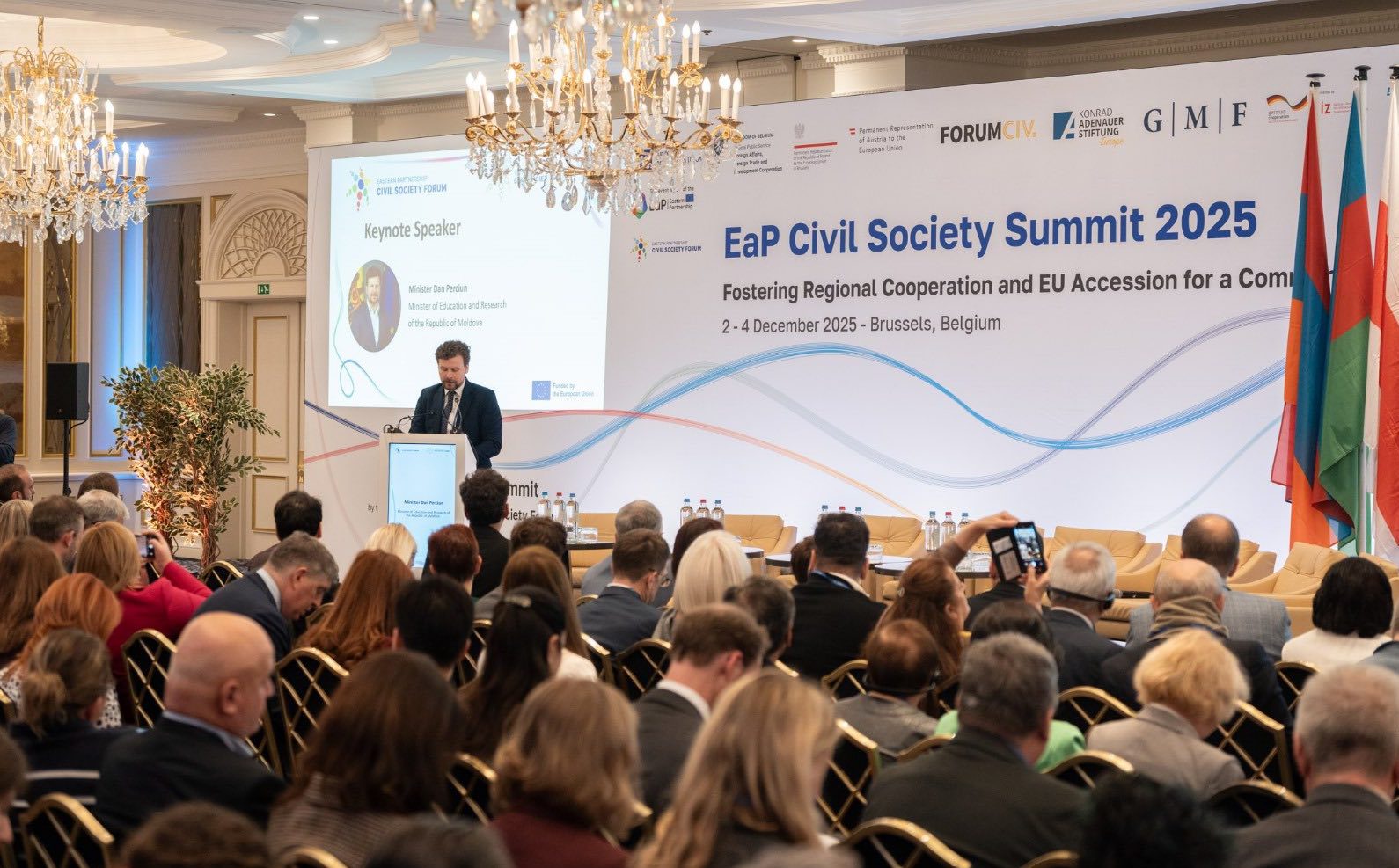
The initiative, unveiled at the 2025 Eastern Partnership Civil Society Summit in Brussels earlier this week, will provide support to civil society organizations and independent media operating in Armenia, Azerbaijan, Belarus, Georgia, Moldova and Ukraine, including those forced to work in exile.
“Autocrats spread disinformation to weaken our democratic societies. We face the same threats in our Member States and in our neighbouring countries,” said Commissioner for Enlargement, Marta Kos, during the summit. “To protect freedom and democracy in Europe, all Europeans need to work together. Independent media and active civic spaces in our neighbourhood are part of Europe’s democratic safety net.”
The programme comes at a critical juncture, as disinformation campaigns from foreign actors have intensified across the region in recent years. Russia’s ongoing war in Ukraine has highlighted the vulnerability of information spaces in neighboring countries, with coordinated attempts to undermine pro-European sentiment and democratic institutions.
Experts note that the Eastern Partnership countries have become key battlegrounds in what many call an “information war,” with Russia and other authoritarian states deploying sophisticated tactics to shape public opinion and influence political processes. The countries targeted by this programme all face varying levels of information manipulation, often aimed at undermining their sovereignty or democratic development.
The new EU initiative will focus on four key areas: capacity building for media and civil society, research and analysis of disinformation trends, cross-border resilience building, and direct financial support to organizations combating false narratives. The comprehensive approach aims to create sustainable defenses against information manipulation across the region.
During the summit, Commissioner Kos also presided over the Eastern Partnership Civil Society Forum’s annual awards ceremony, recognizing organizations demonstrating exceptional courage and commitment to democratic values in challenging environments.
The Foreign Policy Council ‘Ukrainian Prism,’ a think tank specializing in foreign policy and international security, received an award for maintaining its vital work despite the devastating impact of Russia’s invasion. The organization has continued to provide crucial analysis and advocacy while operating under wartime conditions.
The second recipient was Azerbaijan’s Women’s Association for Rational Development (WARD), honored for its persistent efforts to advance gender equality and women’s empowerment in a country where civil society faces significant restrictions. WARD has worked to increase women’s participation in decision-making processes and combat gender-based discrimination across Azerbaijan.
“These organizations represent the resilience and determination of civil society across our Eastern Partnership,” Kos remarked during the ceremony. “Their work is essential for building stronger, more inclusive democracies in the face of significant challenges.”
The three-day Eastern Partnership Civil Society Summit brought together hundreds of civil society representatives, policymakers and experts to discuss the future of cooperation between the EU and its eastern neighbors. Participants debated strategies for strengthening civil society’s role in promoting democratic reforms, good governance, and human rights across the region.
The summit takes place against a backdrop of evolving geopolitical tensions, with some Eastern Partnership countries pursuing EU membership while others navigate complex relationships with both Brussels and Moscow. Ukraine, Moldova, and Georgia all hold EU candidate status, while Armenia, Azerbaijan, and Belarus maintain varying degrees of engagement with the bloc.
The new anti-disinformation programme represents part of the EU’s broader strategy to promote stability and democratic development along its eastern flank, recognizing that resilient information spaces are essential for countries charting an independent course in a contested geopolitical environment.
Fact Checker
Verify the accuracy of this article using The Disinformation Commission analysis and real-time sources.

5 Comments
Russia’s war in Ukraine has underscored the urgent need to bolster information defenses in neighboring countries. This EU program could make a meaningful difference, but sustained commitment and vigilance will be required.
This is a welcome initiative to counter the pernicious effects of foreign disinformation campaigns. Strengthening independent media and civil society in the region is crucial for safeguarding democratic resilience.
This EU initiative is a positive step, but the challenge of combating foreign disinformation campaigns is daunting. Continued international coordination and long-term investment will be essential for strengthening democratic resilience.
Combating disinformation from autocratic regimes is a complex challenge, but this €5 million program seems well-targeted to support local actors on the frontlines. Transparent funding and coordinated efforts will be key.
Disinformation and information manipulation are formidable weapons wielded by autocrats to erode democratic institutions. I’m glad to see the EU taking concrete steps to empower civil society and independent media in the region.