


Listen to the article
South Sudan Officials Call on Youth to Combat Hate Speech, Disinformation
South Sudanese officials have launched a new initiative urging young people to take an active role in combating hate speech, propaganda, and disinformation in Eastern Equatoria State. The appeal comes as part of a broader strategy to address key drivers of conflict in a region that has faced ongoing instability.
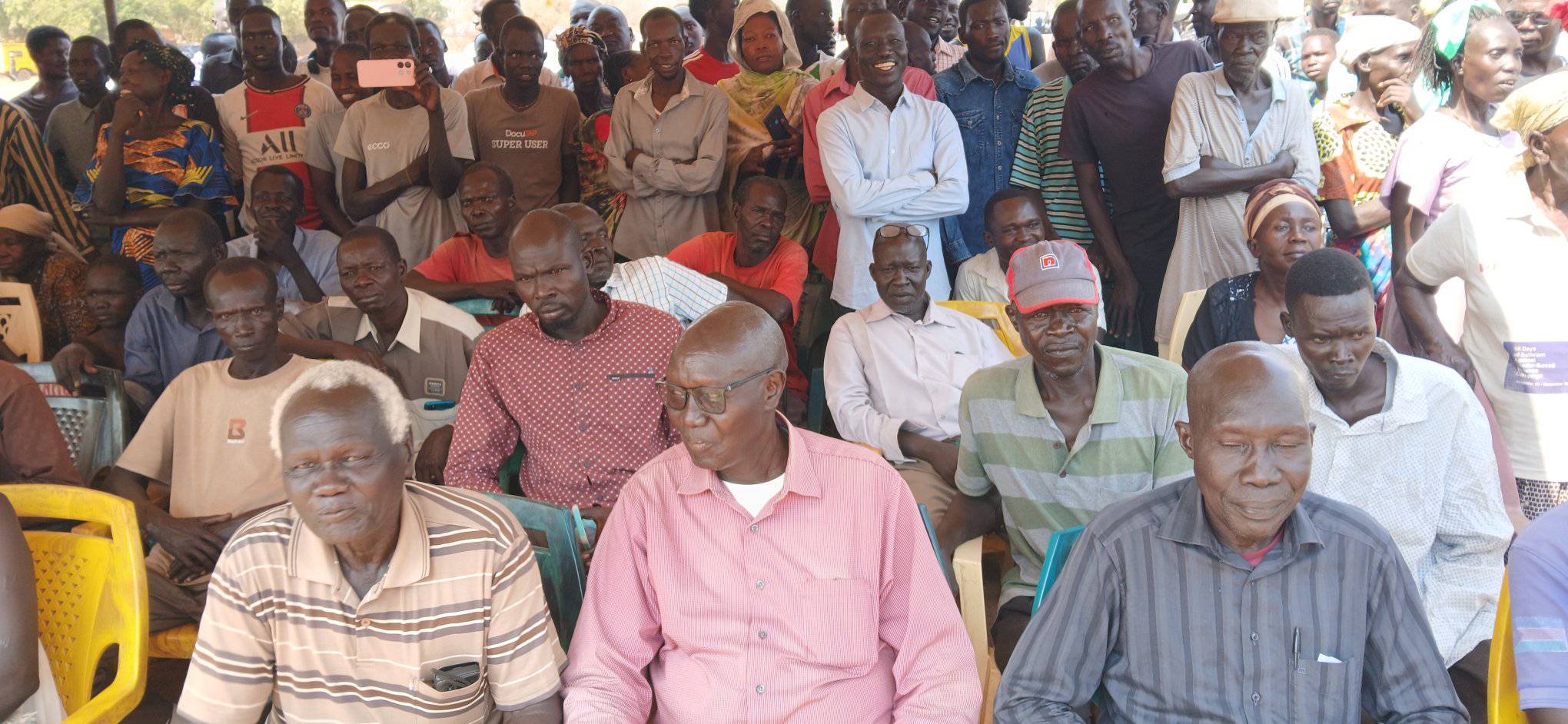
Joseph Wani Kute, Director General of the Ministry of Culture, Youth, and Sports in Eastern Equatoria, made the call during the conclusion of a specialized two-day training program in Torit County. The workshop brought together youth representatives to develop skills for identifying and countering harmful communication that could trigger violence.
“We have recognized that traditional approaches to peace-building aren’t sufficient,” Kute explained during the closing ceremony. “The government of Eastern Equatoria State, along with our partners, has shifted our strategy toward equipping young people with the specific tools they need to combat hate speech, propaganda, and disinformation at the community level.”
The training program was organized by the Support Peace Initiative Development Organization (SPIDO), with financial backing from the Korean International Cooperation Agency (KOICA) and the United Nations Development Programme (UNDP). These partnerships reflect growing international recognition of South Sudan’s need for grassroots peace-building initiatives.
Wodcan Saviour Lazarus, SPIDO’s Executive Director, emphasized the critical nature of this work in a country where youth make up the majority of the population. “We know youth are the majority and are being used as tools of conflict,” Lazarus said. “We need to address issues related to hate speech, propaganda, and disinformation, which are major causes of conflict.”
SPIDO’s approach encompasses a three-pronged strategy focusing on access to justice, peace-building, and economic empowerment—recognizing that sustainable peace requires addressing multiple interconnected factors.
The initiative comes at a crucial time for South Sudan, which continues to grapple with the aftermath of a devastating civil war that began in 2013, just two years after the country gained independence from Sudan. Although a peace agreement was signed in 2018, localized conflicts persist in various regions, including Eastern Equatoria.
Misinformation spread through social media and traditional communication channels has been identified as a significant factor in exacerbating ethnic tensions and triggering violence across the country. Eastern Equatoria, with its diverse ethnic makeup, has been particularly vulnerable to these dynamics.
Local analysts note that youth in South Sudan often become targets for manipulation by political actors due to high unemployment rates and limited economic opportunities. By focusing on youth engagement, the program aims to transform potential instigators of conflict into agents of peace.
“Young people in Eastern Equatoria need to understand they have a choice—they can either perpetuate harmful narratives or become champions for truth and reconciliation,” Kute stated.
The collaboration between government entities like the Ministry of Culture, Youth, and Sports and organizations such as SPIDO represents an important step toward institutionalizing peace-building efforts within local governance structures. Lazarus highlighted that sustainable peace requires continuous engagement rather than one-off interventions.
“We’re not just conducting a workshop and leaving,” he explained. “We’re building capacity for ongoing community dialogue and creating networks of young peace ambassadors who can continue this work.”
As the training concluded, participants developed action plans to implement their new skills in their respective communities, with SPIDO committing to provide follow-up support and mentorship in the coming months.
International observers will be watching closely to see if these localized efforts can contribute to broader stability in a nation that continues to navigate the complex path toward lasting peace.
Fact Checker
Verify the accuracy of this article using The Disinformation Commission analysis and real-time sources.

14 Comments
I’m curious to learn more about the specific strategies and techniques being taught to the youth participants. Effective counter-disinformation efforts require a multifaceted approach.
That’s a good point. The article mentions developing ‘specialized skills’, so it would be interesting to know more about the curriculum and how it aims to empower the youth to take action.
It’s encouraging to see the government and its partners taking a proactive approach to this issue. Engaging the youth as agents of change is a smart strategy.
Absolutely. Empowering young people to be part of the solution is key to creating lasting change and building a more informed and resilient society.
Hate speech and disinformation can be powerful drivers of conflict, so this initiative is an important step in addressing those challenges. Building community resilience is crucial.
Agreed. Equipping young people with the knowledge and skills to identify and counter harmful rhetoric is a smart investment in the future stability of the region.
This program seems like a positive move to address a significant challenge facing many communities. Building media literacy and critical thinking skills in young people can go a long way in combating the spread of disinformation.
Absolutely. Disinformation can have devastating real-world consequences, so proactive efforts to equip the youth with the tools to identify and counter it are essential.
Empowering youth to combat disinformation is a critical step in building a more informed and resilient society. Equipping young people with the skills to identify and counter hate speech is an important initiative.
Agreed. Addressing the root causes of conflict, like the spread of harmful propaganda, is key to achieving lasting peace and stability in the region.
This program seems like a positive step, but the true test will be in its long-term impact and whether it leads to a measurable reduction in the spread of hate speech and disinformation.
That’s a fair point. Tracking the effectiveness of such initiatives is crucial to understanding their real-world impact and informing future efforts.
Combating disinformation is a complex challenge, but investing in youth education and empowerment is a smart approach. I’m curious to see how this program evolves and what lessons can be learned.
Agreed. Addressing the root causes of disinformation and building community resilience are essential for creating lasting change. This initiative seems like a step in the right direction.