


Listen to the article
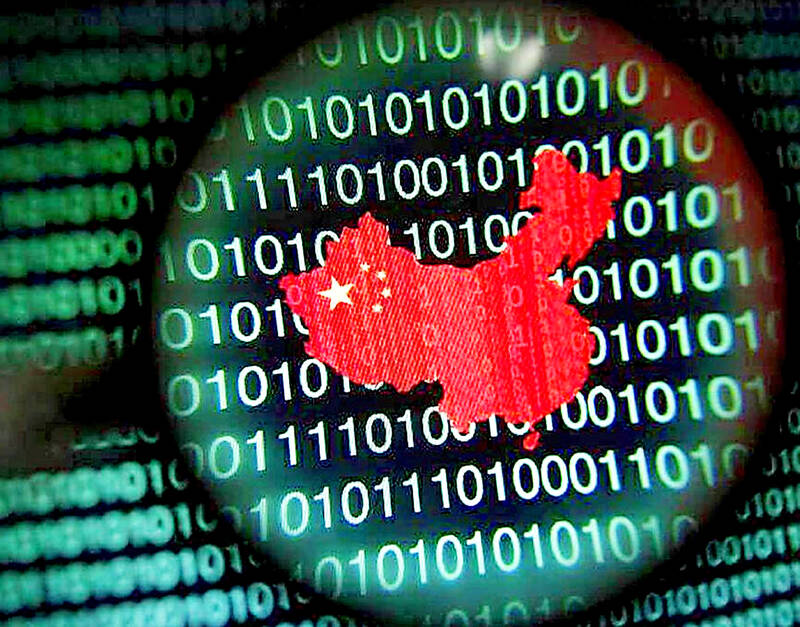
Chinese disinformation campaigns targeting Taiwan surged dramatically last year, with fake online accounts jumping to 45,590, up from 28,216 in 2024, according to a report released yesterday by Taiwan’s National Security Bureau (NSB).
The comprehensive analysis, titled “Analysis of China’s Cognitive Warfare Tactics Against Taiwan in 2025,” details how Beijing has integrated resources from the Communist Party, government, military and private enterprises to reshape Taiwanese opinions toward unification with mainland China.
The volume of disinformation detected also increased, with more than 2.314 million pieces recorded last year compared to 2.159 million in 2024. Taiwanese authorities managed to identify and report more than 3,200 pieces of disinformation to government agencies, allowing for real-time responses to these cognitive warfare attempts.
According to the NSB, China’s strategic objectives are fourfold: deepening internal divisions within Taiwan, weakening Taiwanese resistance, undermining international support for the island, and building global backing for Beijing’s position on Taiwan. To achieve these goals, China has deployed five major tactics through a government-civilian partnership model.
First, Chinese agencies including the Cyberspace Administration of China (CAC), the Ministry of State Security, and military commissions collaborate with Chinese IT companies to collect extensive personal data on Taiwanese political figures, legislators, and opinion leaders. This information includes their interpersonal connections and positions on China, allowing for precisely targeted propaganda campaigns.
Second, China utilizes multiple channels to spread disinformation, including fake websites, content farms, and cover channels designed to appear legitimate to Taiwanese audiences.
The third tactic involves deploying what the NSB calls an “Internet water army” – paid commentators who flood social media with pro-Chinese content across more than 180 platforms worldwide in over 20 languages. Chinese authorities have built databases of online commentators and developed automated programs to manage bot accounts for spreading disinformation at scale.
Fourth, Chinese tech enterprises have developed sophisticated AI models and intelligent guidance systems that simultaneously collect public data while generating automated videos tailored for specific audiences. These companies have also created voice systems and placed advertisements on recruitment websites to entice Taiwanese users into submitting voice recordings, likely for use in deepfake content.
The fifth tactic involves direct cyberattacks. The report noted that during China’s military exercises around Taiwan in April last year, the Chinese cyberarmy hijacked more than a dozen accounts on the Professional Technology Temple (PTT) bulletin board system, a popular Taiwanese online forum. They spread false claims such as “China has blockaded Taiwan’s natural gas shipments” and “Chinese warships have entered Taiwan’s 24 nautical mile zone.”
The NSB report emphasizes that China’s cognitive warfare campaign has expanded beyond Taiwan to target democratic countries globally. Government agencies and prominent think tanks in the United States, European Union, Australia, and France have issued warnings about China’s information manipulation tactics.
Taiwan now finds itself at the forefront of international efforts to counter these disinformation campaigns. Last year, the NSB engaged in more than 80 security dialogues and intelligence conferences with international partners and allies to build a stronger network against Chinese cognitive warfare.
Moving forward, the NSB plans to strengthen its cooperation with third-party fact-checking organizations and social media platform operators, urging them to disclose and remove false information promptly. These efforts aim to prevent foreign influence operations and maintain an unmanipulated public sphere in Taiwan.
President William Lai’s administration has been a particular target of these campaigns, with Chinese efforts focused on fostering skepticism toward both Lai’s leadership and Taiwan’s relationship with the United States, as well as undermining confidence in the Taiwanese military.
Fact Checker
Verify the accuracy of this article using The Disinformation Commission analysis and real-time sources.

11 Comments
This is a stark reminder of the need for robust cybersecurity and digital literacy efforts to help the Taiwanese public identify and resist these manipulative tactics. Building societal resilience should be a top priority.
Agreed, investing in public education and awareness campaigns is vital. Empowering citizens to critically evaluate online information is key to countering the influence of state-backed disinformation.
While the scale of China’s disinformation campaign is alarming, I’m encouraged to see the Taiwanese government taking proactive steps to identify and respond to these cognitive warfare tactics. Maintaining transparency and public trust will be critical.
Absolutely. Timely identification and debunking of false narratives is crucial. Taiwanese authorities must continue collaborating with international partners to expose and counter these malicious influence operations.
The details in this report highlight the sophisticated, multi-pronged nature of China’s disinformation campaign against Taiwan. Integrating resources across the party, government, military and private sector is a concerning strategy. Taiwan will need to stay one step ahead.
The escalation of China’s disinformation efforts targeting Taiwan is deeply troubling. Undermining Taiwan’s democratic institutions and international support appears to be a core strategic objective. Vigilance and global cooperation will be essential to push back.
This report highlights the complex, multi-faceted nature of China’s disinformation efforts targeting Taiwan. Integrating party, government, military and private sector resources is a concerning development. Taiwan will need to stay agile and innovative in its response.
This is very concerning. Chinese disinformation campaigns targeting Taiwan are clearly escalating, with a significant increase in fake accounts and disinformation output. It’s crucial that Taiwan continues to aggressively identify and counter these efforts to undermine its sovereignty.
Agreed, Taiwan must remain vigilant and work with international partners to expose and combat these coordinated influence operations. Safeguarding democracy and truth will be an ongoing challenge.
While the surge in Chinese disinformation is worrying, I’m encouraged that Taiwanese authorities were able to identify and report over 3,200 pieces of disinformation last year. Real-time responses to these cognitive warfare attempts are essential.
Absolutely, the Taiwanese government’s proactive approach to countering disinformation is crucial. Maintaining public trust and democratic integrity in the face of these escalating tactics will be critical.