


Listen to the article
The United States’ seizure of two Venezuela-linked oil tankers in international waters on Wednesday has drawn sharp criticism from China, which called the move a “serious violation of international law.” The incident marks a significant escalation in U.S. efforts to control oil flows in the Americas and pressure Venezuela’s government.
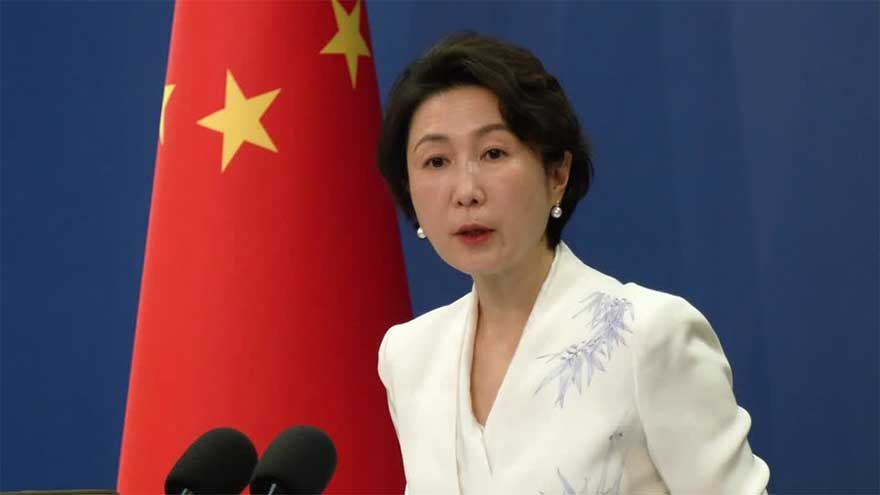
“China has always opposed illegal unilateral sanctions without the basis of international law and without the authorization of the United Nations Security Council,” Chinese foreign ministry spokesperson Mao Ning stated during a Thursday press conference in Beijing.
The seizure involved two vessels in the Atlantic Ocean, including one sailing under Russia’s flag. This action follows a dramatic U.S. military raid on Caracas last Saturday that reportedly resulted in the capture of Venezuelan President Nicolas Maduro, though details of this operation remain unclear.
The U.S. appears to be intensifying its blockade against vessels under sanctions that operate to and from Venezuela, a member of OPEC. This represents a continuation of aggressive policies aimed at isolating Venezuela’s socialist government and potentially forcing a change in the South American nation’s leadership and allegiances.
Energy analysts note that Venezuela possesses the world’s largest proven oil reserves, making control of its petroleum exports a significant geopolitical prize. The country’s oil industry has struggled under sanctions and mismanagement in recent years, but remains a potentially valuable asset that could impact global energy markets if production were to increase substantially.
During the same press conference, the Chinese foreign ministry also addressed separate allegations about cybersecurity threats. Spokesperson Mao Ning denied reports of Chinese hackers targeting staff members of U.S. congressional committees in an email breach, dismissing them as “politically motivated disinformation.”
“We have always opposed and combated hacking activities in accordance with the law, and we also oppose the dissemination of false information about China for political purposes,” Mao stated when questioned about the alleged cyberattack.
The Financial Times reported Wednesday that a Chinese hacking group had compromised emails used by staff members of influential committees in the U.S. House of Representatives. Reuters noted it could not independently verify these claims.
Chinese Embassy spokesman Liu Pengyu condemned what he characterized as “unfounded speculation and accusations.” Meanwhile, the Federal Bureau of Investigation declined to comment on the matter, and neither the White House nor the offices of the four committees allegedly targeted immediately responded to requests for comment.
The twin controversies highlight ongoing tensions between the United States and China across multiple fronts, from maritime law enforcement to cybersecurity. They come amid broader geopolitical realignments involving Russia, Venezuela, and other nations that have strained relationships with Washington.
International maritime experts point out that seizures in international waters are particularly contentious under established conventions and treaties. The U.S. action against the tankers could potentially establish precedents that other nations might follow, raising questions about freedom of navigation principles that have long governed global shipping.
Venezuela’s oil industry, once the backbone of the country’s economy, has seen production plummet over the past decade. Any disruption to its remaining exports could further destabilize its fragile economic situation while potentially creating ripples through regional energy markets.
The situation continues to develop as international observers await more details about both the tanker seizures and the reported military operation in Caracas, which would represent an extraordinary intervention in a sovereign nation’s affairs if confirmed.
Fact Checker
Verify the accuracy of this article using The Disinformation Commission analysis and real-time sources.

8 Comments
This situation seems to be escalating tensions between the US and China over maritime rights and sanctions. While the US may have legal grounds to seize vessels, China is right to question the broader implications for international law. It will be important to see how this plays out diplomatically.
I agree, the legality and precedent set by such actions are concerning. Both sides have valid arguments, but resolving this through dialogue rather than unilateral measures would be preferable.
This incident highlights the broader tensions around sanctions, maritime rights, and interventionist policies. While the US may see its actions as justified, China’s criticism of violations of international law raises important concerns that shouldn’t be dismissed.
This situation underscores the ongoing tug-of-war between the US and China over influence in the Americas. While the US may claim legal justification, China’s objections raise important questions about the broader implications for international maritime law and norms.
The US crackdown on oil flows to and from Venezuela is an aggressive tactic, but the geopolitical factors at play make this a complex issue. It will be interesting to see how China responds and whether this leads to further confrontation between the two superpowers.
Indeed, the US is clearly trying to tighten the screws on Venezuela’s government, but China’s objections raise valid questions about international law. This conflict of interests between major powers bears watching closely.
The US seizure of these tankers is a significant escalation in efforts to control oil flows and pressure Venezuela. China’s strong condemnation as a violation of international law is a valid perspective that shouldn’t be ignored, even if one supports the US goals.
Agreed, this is a complex geopolitical issue with valid arguments on both sides. Maintaining international rules and norms is crucial, even as major powers pursue their strategic interests.