


Listen to the article
Chinese state actors are behind a coordinated disinformation campaign targeting India following Operation Sindoor, according to a new intelligence report that reveals the extent of Beijing’s digital influence operations in South Asia.
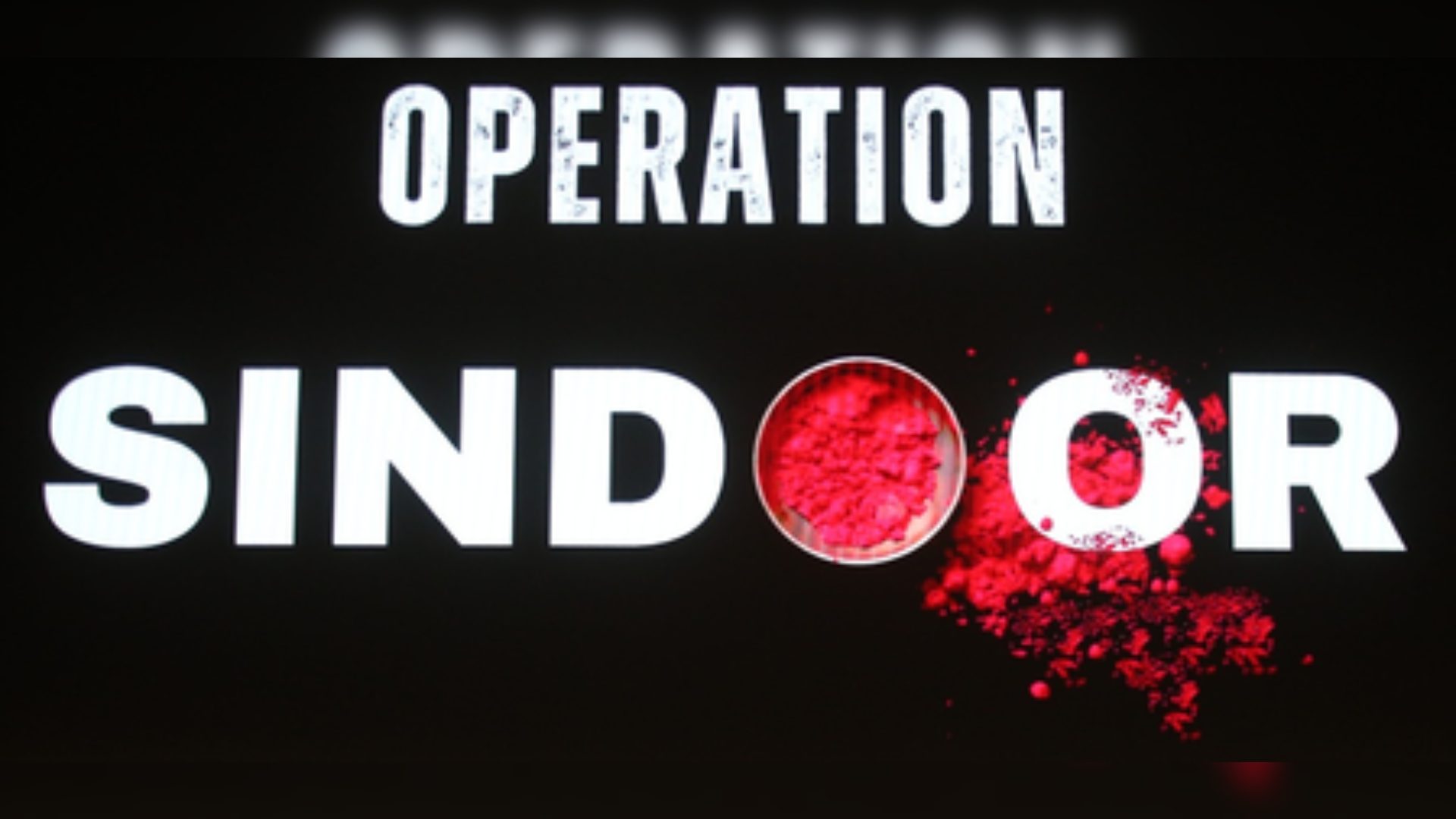
The campaign emerged shortly after Indian forces conducted Operation Sindoor, a limited cross-border operation against militant camps last month. Within hours of the military action, social media platforms were flooded with false narratives claiming significant Indian casualties and equipment losses, despite official statements to the contrary.
Cybersecurity firm Recorded Future identified a network of over 400 fake accounts across Twitter, Facebook, and Instagram that simultaneously amplified these misleading claims. The accounts, which appeared to be Indian but operated from servers traced to Shenzhen and Shanghai, used sophisticated techniques to evade detection, including deepfake technology to create realistic profile images.
“This represents one of the most coordinated disinformation efforts we’ve observed in the region,” said Maya Horowitz, chief analyst at Recorded Future. “The operation demonstrates a level of sophistication that clearly points to state-level resources and planning.”
The report details how the network employed a three-pronged strategy: first creating a false narrative about Indian military failures, then amplifying it through seemingly unconnected accounts, and finally inserting the disinformation into legitimate news channels through manipulated sources.
Indian intelligence officials believe the campaign aimed to undermine domestic support for the operation and sow discord between India and its strategic allies. The timing was particularly significant as it coincided with several high-level diplomatic engagements between India and Western nations.
“These influence operations represent a new front in regional tensions,” said Rajesh Kumar, former deputy director at India’s Intelligence Bureau. “While military posturing occurs at the border, an equally important battle is being fought in the information space.”
The campaign specifically targeted regions in India with historical separatist movements, with customized content in regional languages appearing to come from local sources. Analysis of engagement patterns showed the disinformation reached approximately 18 million users before major platforms began removing the content.
This isn’t the first such operation linked to Chinese state actors. In 2022, a similar network, dubbed “Dragonbridge” by cybersecurity researchers, was identified spreading narratives undermining India’s territorial claims in disputed border regions. However, the scale and coordination of the current operation represent a significant escalation.
The Chinese Embassy in New Delhi has denied any involvement, calling the allegations “baseless fabrications designed to malign China’s international reputation.” A spokesperson added that “China has consistently advocated for peaceful dialogue between all regional powers.”
International relations experts view this disinformation campaign as part of China’s broader “Three Warfares” strategy, which combines psychological warfare, media manipulation, and legal warfare to advance geopolitical interests without direct military confrontation.
“What we’re witnessing is the evolution of conflict in the digital age,” explained Dr. Sarah Cohen, professor of international security at Georgetown University. “Information operations provide plausible deniability while achieving strategic objectives that would be costlier through conventional means.”
The revelations come as India and several Western democracies are strengthening collaboration on countering foreign influence operations. Last week, India joined a multinational task force focused on combating state-sponsored disinformation campaigns across the Indo-Pacific region.
Indian authorities have responded by establishing a specialized cyber response unit within the Ministry of Defense to monitor and counter such information threats. Officials have also called for greater transparency from social media platforms regarding content originating from potential state actors.
The report recommends enhanced digital literacy programs for vulnerable populations and suggests that media organizations implement more rigorous verification protocols for sources during sensitive geopolitical events.
As regional tensions continue to simmer, analysts warn that information warfare is likely to increase in both frequency and sophistication, requiring coordinated responses from governments, technology platforms, and civil society organizations.
Fact Checker
Verify the accuracy of this article using The Disinformation Commission analysis and real-time sources.

10 Comments
This report highlights the complex geopolitical dynamics at play in the region. I wonder if there have been any coordinated international efforts to address China’s disinformation tactics or if this is still largely a national-level response.
It’s alarming to see how quickly false narratives can spread on social media, even in the face of official statements. This underscores the need for better platform moderation and user education around identifying credible sources.
Absolutely. Improving media literacy and critical thinking skills among social media users is key to combating the impact of coordinated disinformation campaigns.
This report highlights the geopolitical tensions in the region and how information warfare has become a key battleground. I wonder what other tactics China may be employing to shape the narrative around events like Operation Sindoor.
Good point. We should be vigilant in monitoring for other signs of Chinese disinformation efforts, both in this region and globally. Maintaining an independent, fact-based understanding is crucial.
The use of deepfakes to create fake social media profiles is quite sophisticated. I’m curious to know more about the specific techniques employed and how effective they’ve been in spreading misinformation.
Interesting to see the extent of China’s digital influence operations in South Asia. It’s concerning how they utilize sophisticated tactics like deepfakes to spread disinformation. Fact-checking and media literacy are crucial to counter these efforts.
I agree, the use of deepfakes is particularly alarming. It shows how advanced these disinformation campaigns have become and the need for robust countermeasures.
The use of deepfakes to create fake profiles is a concerning tactic. I hope researchers and platforms can stay ahead of these evolving techniques to limit the spread of disinformation. Maintaining trust in information sources is crucial.
Well said. Disinformation campaigns like this erode public trust, which can have far-reaching consequences. Vigilance and a collaborative approach are needed to counter these threats effectively.