


Listen to the article
In a digital landscape where distinction between reality and artifice is increasingly blurred, artificial intelligence tools have sparked a new phenomenon: AI-generated tribute songs falsely attributed to famous artists.
“Thank you, Adele, it’s such a beautiful song,” reads one comment beneath a YouTube tribute to slain U.S. activist Charlie Kirk. But the emotional ballad was never performed by the Grammy-winning British singer – it was entirely fabricated by AI.
Today’s sophisticated artificial intelligence can create songs from simple text prompts, mimicking celebrity voices to produce tributes or entire performances without artists’ knowledge or consent. The practice raises serious copyright concerns while contributing to the erosion of shared reality as millions unwittingly consume AI-generated disinformation.
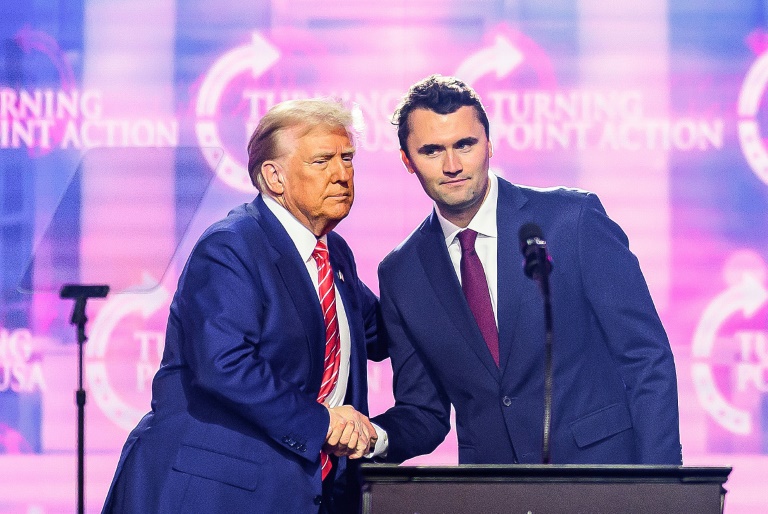
“Rest in peace, Charlie Kirk!” sings a computer-generated voice in one video tribute to the right-wing activist and Trump ally. “The angels sing your name. Your story’s written in the stars, a fire that won’t wane,” continues the synthetic vocalist over imagery of Kirk.
Similar AI tributes supposedly created by Ed Sheeran, Justin Bieber, and other music celebrities – complete with manipulated thumbnails showing them in tears – have collectively amassed millions of views. Thousands of comments reveal that many viewers believe these fabrications are authentic artistic expressions, despite the voices often bearing little resemblance to the actual artists.
“I’m concerned that what made the internet so cool to begin with – really weird, creative people doing things they’re passionate about for fun, is gone. It’s been replaced by AI slop created by grifters aiming to make money,” said Alex Mahadevan from the nonprofit media institute Poynter. “We’re becoming passive consumers of ‘content’ and not active, conscious digital citizens.”
While YouTube’s policies require creators to disclose when they’ve used AI tools to create realistic altered content, these disclosures are frequently buried in video descriptions where users must actively click to view them – a step many casual browsers skip.
The trend highlights how accessible AI music generators have democratized music creation while simultaneously undermining authenticity. Services like Suno advertise the ability to “make any song you can imagine,” offering suggestions like “make a jazz song about watering my plants” or “make a house song about quitting your job.”
When tested by AFP, the tool generated multiple song options mourning a fictional celebrity activist within seconds of receiving a text prompt.
The phenomenon extends beyond one-off tributes. An AI “band” called The Velvet Sundown has released entire albums and accumulated over 200,000 listeners on their verified Spotify account. On social media, the entity describes itself as “not quite human. Not quite machine.”
The music industry has responded forcefully to these developments. In June, the Recording Industry Association of America announced that leading record companies had sued two music generators, including Suno, alleging copyright infringement.
Last year, more than 200 artists – including Katy Perry and Nicki Minaj – signed an open letter to AI developers and technology platforms warning that training tools on existing songs “will degrade the value of our work and prevent us from being fairly compensated.”
“This assault on human creativity must be stopped,” the letter declared. “We must protect against the predatory use of AI to steal professional artists’ voices and likenesses, violate creators’ rights, and destroy the music ecosystem.”
Legal experts remain divided on potential solutions. Lucas Hansen, co-founder of the nonprofit CivAI, believes outright bans on AI likeness generation are unlikely, but expects legal restrictions on commercialization.
“There might also be restrictions on distribution, but existing laws are much less strict towards non-monetized content,” Hansen noted.
As technology continues advancing, the line between authentic artistic expression and AI fabrication grows increasingly indistinct – leaving consumers, creators, and platforms navigating uncharted ethical and legal territory in this new digital reality.
Fact Checker
Verify the accuracy of this article using The Disinformation Commission analysis and real-time sources.

6 Comments
This is a tricky issue. On one hand, AI can enable new forms of artistic expression. But the potential for misuse to create fake tributes and erode trust is alarming. A balanced approach is needed to harness the benefits while mitigating the risks.
While AI can create amazing content, this misuse of the technology is highly problematic. We must find ways to ensure AI is not abused to spread disinformation and infringe on intellectual property rights.
Interesting how AI-generated content can spread disinformation so easily these days. We need to be extra vigilant about verifying the authenticity of online media, especially tributes and performances.
Wow, this is a concerning trend. The growing sophistication of AI-generated content is a double-edged sword – it can be incredibly useful, but also ripe for abuse and deception. Safeguards are clearly needed.
This is concerning. Fabricated AI tributes erode public trust and contribute to the blurring of reality. Robust copyright protections and content moderation will be crucial to combat this issue.
I agree. The ability to easily generate fake content using AI is really troubling from a societal perspective.