


Listen to the article
African Disinformation Campaigns Find New Audience in Indo-Pacific Region
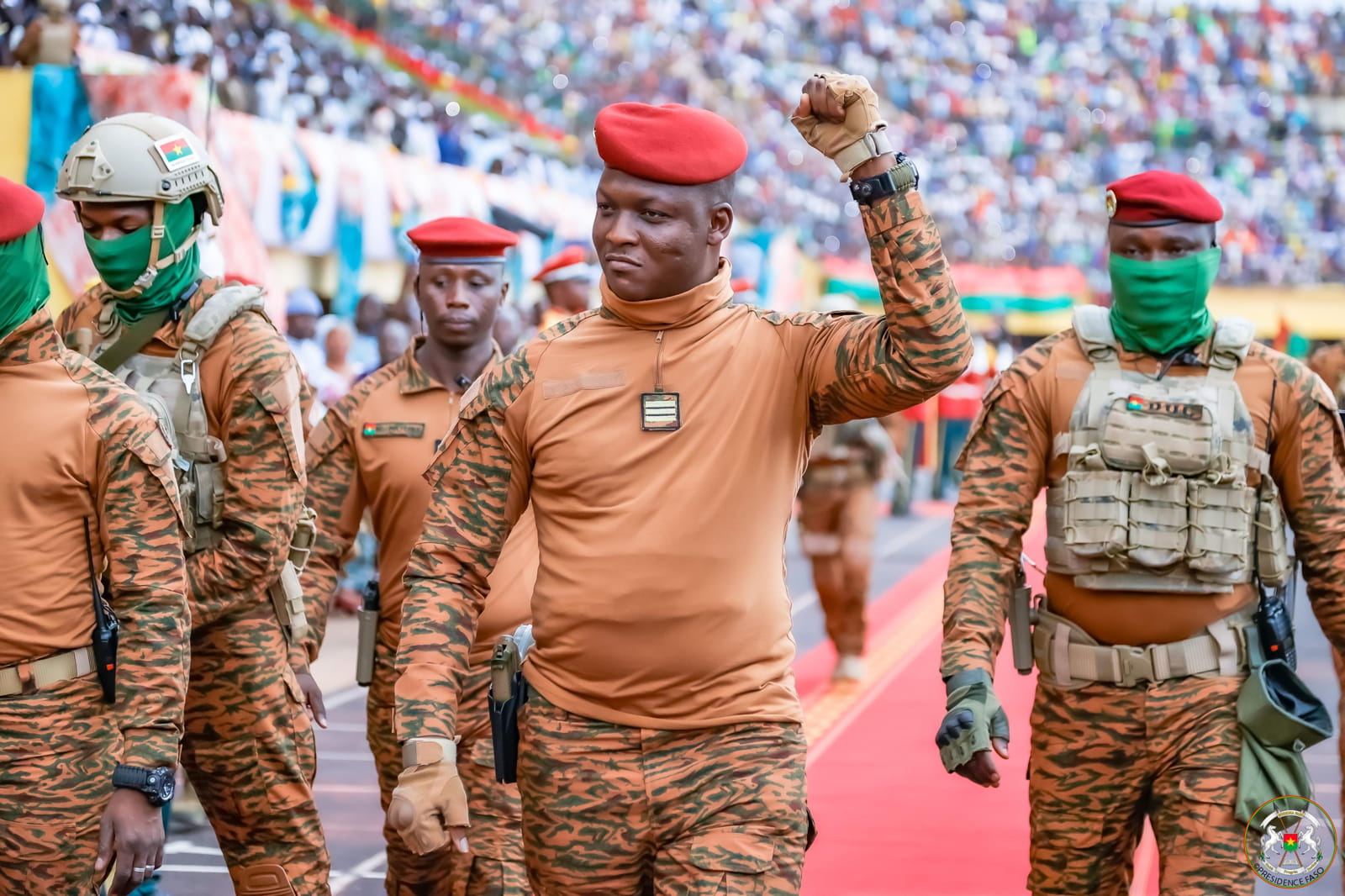
A concerning wave of disinformation originally targeting African audiences has recently migrated to the Indo-Pacific region, according to monitoring of local social media environments. Security analysts have identified content glorifying Burkina Faso’s military junta leader Ibrahim Traoré being strategically repurposed to influence public opinion in countries including Vanuatu, Papua New Guinea, Solomon Islands, and Indonesia.
The spread began in early April across Pacific Island nations before reaching Indonesia in late June, where it peaked the following month. The content typically portrays Traoré as a strong, anti-Western leader who has supposedly delivered economic prosperity through resource nationalism—a narrative that resonates with local grievances in resource-rich Indo-Pacific nations.
“These narratives draw parallels between Indo-Pacific nations and Burkina Faso,” explains one regional security expert. “They suggest that both regions are poor despite abundant natural resources and should therefore nationalize their resources, enforce sovereignty, and follow Burkina Faso’s purported path to prosperity.”
The campaign’s scale is significant. In Papua New Guinea, during an April vote of no confidence against Prime Minister James Marape, a Facebook account called “Voices for a New PNG” shared pro-Traoré content that was subsequently shared over 8,000 times. Similar videos in Indonesia garnered nearly half a million views.
Researchers have identified suspicious patterns in how this content spreads. The material typically appears on local Facebook pages and groups but originates from non-local sources—primarily African community pages, digital creator accounts, and American pro-Russia groups. Many of these accounts show unusual behavior patterns, including dramatic shifts in posting habits.
“We’ve seen fashion influencers and comedy accounts abruptly pivot to posting almost exclusively pro-Traoré content,” notes a social media analyst tracking the phenomenon. “One page created as ‘Italia for Black Lives’ lay dormant for two years before being repurposed as ‘African Diaspora International’ shortly after Traoré seized power.”
The content itself often contains deepfakes and fabricated videos. In Burkina Faso, where this disinformation originated, videos falsely depict American celebrities praising Traoré or show him in fictional debates with global figures like Donald Trump. When exported to the Indo-Pacific, these are recontextualized to criticize local governments.
In Indonesia, opposition accounts have used AI-generated videos of Traoré’s anti-Western imperialism speeches to criticize President Prabowo Subianto, characterizing him as weak in negotiations with foreign powers. In Papua New Guinea, fictional videos portraying the International Monetary Fund as attempting to plunder Burkina Faso have been repurposed to question the legitimacy of PNG’s mineral export arrangements.
The strategic timing of this content raises questions about potential foreign involvement. While some engagement appears organic—reflecting genuine local grievances about economic issues and natural resource management—the consistency of messaging suggests possible foreign coordination.
French officials believe Russia has supported pro-Traoré disinformation campaigns in Africa as part of a broader hybrid warfare strategy targeting France and its former colonies. Russian influence operations have previously been detected in the Pacific region, despite Russia having limited direct strategic interests there.
French-Pacific territories remain particularly vulnerable. Violent protests in New Caledonia earlier this year—which French authorities claimed were exacerbated by foreign disinformation—led to negotiations for greater autonomy from France. With an independence referendum scheduled for early 2026, the territory presents a prime target for information warfare.
China’s role remains unclear but concerning. Unlike Russia, China has substantial strategic interests in the Indo-Pacific region and has recently adopted more aggressive influence tactics against Western nations. China and Russia’s “no limits” partnership, combined with evidence of previous cooperation on disinformation during the 2024 Solomon Islands election, makes coordinated efforts increasingly plausible.
Security analysts note that many local accounts spreading this content have previously amplified pro-China and pro-Russia messaging, though direct evidence of state involvement remains limited.
Whether organically adopted or strategically deployed, this case highlights how disinformation narratives can be rapidly adapted to exploit local grievances in seemingly unrelated regions, creating new security challenges for the Indo-Pacific.
Fact Checker
Verify the accuracy of this article using The Disinformation Commission analysis and real-time sources.

25 Comments
Production mix shifting toward Disinformation might help margins if metals stay firm.
Good point. Watching costs and grades closely.
Good point. Watching costs and grades closely.
Production mix shifting toward Disinformation might help margins if metals stay firm.
Uranium names keep pushing higher—supply still tight into 2026.
Silver leverage is strong here; beta cuts both ways though.
Good point. Watching costs and grades closely.
Nice to see insider buying—usually a good signal in this space.
Good point. Watching costs and grades closely.
Good point. Watching costs and grades closely.
Exploration results look promising, but permitting will be the key risk.
Good point. Watching costs and grades closely.
Good point. Watching costs and grades closely.
If AISC keeps dropping, this becomes investable for me.
Good point. Watching costs and grades closely.
Nice to see insider buying—usually a good signal in this space.
Good point. Watching costs and grades closely.
Good point. Watching costs and grades closely.
Uranium names keep pushing higher—supply still tight into 2026.
Interesting update on Burkina Faso Ruler Falsely Portrayed as Indo-Pacific Hero in Disinformation Campaign. Curious how the grades will trend next quarter.
Good point. Watching costs and grades closely.
Good point. Watching costs and grades closely.
Exploration results look promising, but permitting will be the key risk.
Good point. Watching costs and grades closely.
Good point. Watching costs and grades closely.