


Listen to the article
In an era where education systems worldwide grapple with rising concerns about social behaviors and misinformation, innovative programs are emerging to address these challenges at their roots. The BBC’s “People Fixing The World” podcast recently highlighted two groundbreaking initiatives focused on nurturing emotional intelligence and critical thinking skills in young learners.
In Botswana, primary schools are implementing a program developed by the charity Think Equal, which places empathy at the center of early childhood education. The initiative recognizes that academic achievements alone aren’t sufficient for children’s holistic development in today’s complex social landscape.
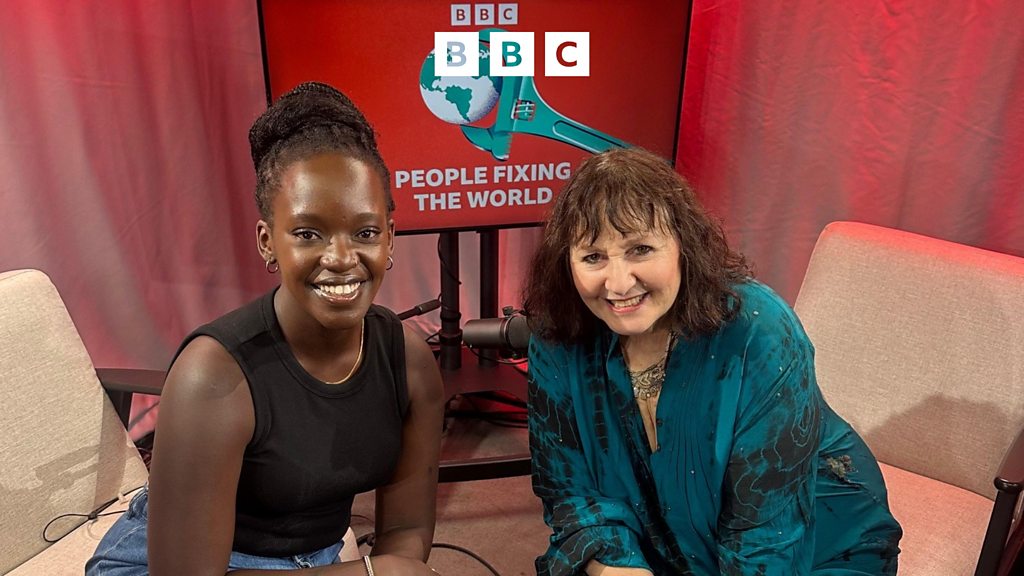
“We’re seeing remarkable changes in how children interact with each other,” explained Leslee Udwin, founder of Think Equal, during her interview with the BBC’s Myra Anubi. “By teaching children to understand and manage their emotions from an early age, we’re helping build the foundation for healthier relationships throughout their lives.”
Think Equal’s curriculum integrates social and emotional learning into daily classroom activities. Teachers guide students through exercises that help them identify feelings, practice conflict resolution, and develop respect for others regardless of differences. This approach represents a significant shift from traditional educational models that often prioritize academic performance over emotional intelligence.
The program’s implementation in Botswana serves as a potential model for other countries facing similar social challenges. Educational experts have long recognized that children who develop strong emotional regulation skills early are better equipped to navigate social pressures and make ethical decisions later in life.
Meanwhile, in East London, a separate initiative is targeting older students with a focus on media literacy. BBC presenter Myra Anubi visited a secondary school where teenagers are learning to critically evaluate online content—a crucial skill in an era dominated by social media and digital information.
The program teaches students to identify reliable sources, recognize manipulation tactics, and understand how algorithms can create information bubbles that reinforce existing beliefs. By equipping young people with these analytical tools, educators hope to combat the polarization and misinformation that have become prevalent concerns in many societies.
“Students often arrive with impressive technical skills but limited ability to assess the credibility of what they’re consuming online,” noted one teacher involved with the London program. “We’re seeing them develop a healthy skepticism that doesn’t slide into cynicism—they’re learning to think for themselves.”
Both initiatives reflect growing recognition among education experts that traditional academic curricula need supplementation with skills that prepare children for the social and informational challenges of modern life. While math and literacy remain essential, these programs suggest that emotional intelligence and critical thinking deserve equal attention in educational settings.
Educational psychologists have found that children who receive explicit instruction in empathy and emotional regulation are less likely to engage in bullying behaviors and more likely to intervene when witnessing mistreatment of others. Similarly, students trained in media literacy demonstrate greater resistance to manipulation and propaganda.
The BBC podcast highlights these solutions as part of its ongoing commitment to showcasing innovative approaches to global challenges. Released weekly, “People Fixing The World” has built a reputation for identifying promising interventions across various sectors, including education, environment, and public health.
While these programs are still evolving, early results suggest potential for broader application. Education ministries in several countries have expressed interest in adapting elements of both the empathy-centered curriculum and media literacy training for their national education systems.
As societies worldwide contend with rising concerns about social division and the spread of misinformation, these classroom initiatives represent hopeful examples of how educational innovation might address these challenges at their roots—by nurturing more emotionally intelligent and critically minded citizens from childhood onward.
Fact Checker
Verify the accuracy of this article using The Disinformation Commission analysis and real-time sources.

9 Comments
Interesting initiative to build empathy and critical thinking in young learners. Addressing social behaviors and misinformation at the root level is key for a healthier future.
The Think Equal program in Botswana sounds like a valuable approach to holistic education. Integrating social-emotional learning with academics is a smart way to foster well-rounded individuals who can navigate today’s complex social landscape.
Focusing on emotional intelligence along with academics is crucial for children’s well-rounded development. Teaching them to understand and manage emotions from an early age lays the foundation for more positive relationships.
Agreed. Integrating social and emotional learning into the curriculum is a smart approach to nurture well-rounded individuals.
The Think Equal program in Botswana sounds like a promising model that could benefit education systems worldwide. Equipping students with empathy and critical thinking skills is invaluable in today’s complex social landscape.
Indeed. Developing emotional intelligence alongside academic achievements is key to preparing children for the challenges they’ll face in the future.
Tackling disinformation and building a more empathetic society requires innovative solutions. Programs like Think Equal that prioritize social-emotional learning are a step in the right direction.
It’s encouraging to see initiatives aimed at nurturing empathy and critical thinking in young learners. Addressing the root causes of social behaviors and misinformation is crucial for a more informed and connected world.
Absolutely. Equipping children with the tools to understand and manage their emotions will serve them well throughout their lives.