


Listen to the article
A coalition of thirteen nations has taken a significant step in the fight against climate misinformation by signing a groundbreaking declaration aimed at promoting scientific accuracy in climate discourse. The “Declaration on Information Integrity on Climate Change” was officially unveiled Wednesday at the COP30 climate summit in Belém, Brazil, marking a coordinated international effort to counter false narratives that hamper climate action.
The agreement, launched by the Global Initiative for Information Integrity on Climate Change, establishes a framework for governments, civil society organizations, and private sector entities to work together in safeguarding evidence-based climate information. Signatories include major economies like Brazil, Canada, Germany, France, and Spain, alongside Denmark, Finland, Sweden, Uruguay, Belgium, Chile, and two additional nations.
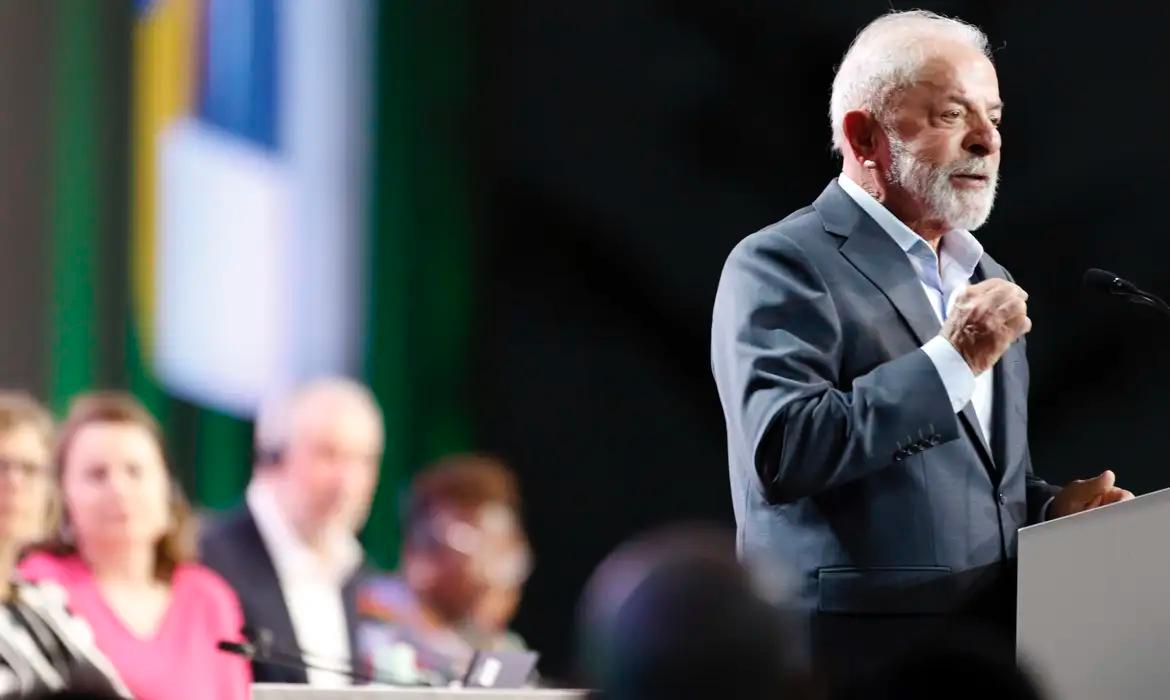
Brazilian President Luiz Inácio Lula da Silva, speaking at the launch event, emphasized the urgent reality of climate change, describing it not as a future threat but as “a tragedy of the present.” He pointed to growing challenges from what he termed “obscurantists” who reject scientific evidence and undermine institutional credibility, declaring it “time to deliver yet another defeat to denialism.”
The declaration arrives at a critical moment when climate scientists and journalists increasingly face harassment, threats, and coordinated disinformation campaigns. UN Secretary-General António Guterres highlighted these concerns in his statement prior to the launch, calling for stronger protective measures against misinformation, online harassment, and corporate greenwashing practices.
“Scientists and researchers should never fear telling the truth,” Guterres stated. “Through this initiative, governments and organizations are working together to promote information integrity on climate issues.”
UNESCO Director-General Audrey Azoulay reinforced this sentiment, noting that the declaration will strengthen support systems for climate journalists and researchers who face mounting risks when reporting on environmental issues. “Without access to reliable information about climate disruption, we can never hope to overcome it,” she said.
The agreement outlines several key commitments, including promoting transparency in climate communication, protecting the independence of scientific research, and ensuring that public information remains firmly rooted in evidence. It also calls for increased funding for information integrity research, with special emphasis on supporting developing nations where resources for combating misinformation may be limited.
Additionally, the declaration urges private companies to adopt responsible communication and advertising practices, addressing growing concerns about corporate greenwashing—the practice of exaggerating environmental credentials for marketing purposes.
The Global Initiative behind the declaration has identified climate disinformation as one of the most significant obstacles to effective global climate action. According to the organization, the spread of false narratives continues to erode public confidence in climate science and delay crucial progress toward a sustainable future.
Climate misinformation has evolved significantly in recent years, moving from outright denial of climate change to more subtle forms of delay tactics and misrepresentation of climate solutions. This shift has made addressing the problem more complex, requiring coordinated international efforts like this declaration.
The timing of the announcement is particularly relevant as the world witnesses increasingly severe climate impacts, from record-breaking heat waves to catastrophic flooding and intensified storm systems. These real-world consequences underscore the importance of ensuring that public discourse on climate issues remains anchored in scientific reality rather than distorted by special interests or ideological agendas.
As the thirteen signatory nations begin implementing the declaration’s principles, climate advocates are calling for more countries to join the initiative, particularly major economies with significant carbon footprints that have yet to endorse the agreement.
Fact Checker
Verify the accuracy of this article using The Disinformation Commission analysis and real-time sources.

18 Comments
It’s encouraging to see major economies like Brazil, Canada, and Germany taking a stand against climate disinformation. Coordinated international efforts are needed to combat this challenge.
Absolutely. Safeguarding evidence-based climate information is crucial for policymaking and public awareness.
President Lula’s remarks about climate change being a present tragedy rather than a future threat are sobering. We must take decisive action now to address this crisis.
Agreed. Rejecting scientific evidence and undermining institutions is unacceptable. This declaration sends a strong message that truth and science must prevail.
I’m curious to see how this declaration will be implemented and enforced. Holding signatories accountable will be key to its success.
Good point. The details of the framework and monitoring mechanisms will be important to ensure meaningful progress.
The emphasis on working with civil society and the private sector is encouraging. Leveraging diverse expertise and resources will be key to the success of this initiative.
Definitely. A collaborative, multi-pronged approach that engages all relevant stakeholders is essential for addressing the complex challenge of climate disinformation.
The involvement of civil society organizations and the private sector in this initiative is promising. Collaboration across all sectors is vital for effective climate action.
Indeed. A comprehensive, multi-stakeholder approach is necessary to counter disinformation and promote accurate, evidence-based climate information.
This declaration is an important step in the fight against climate misinformation. Promoting scientific accuracy in climate discourse is critical for effective action.
Agreed. Countering false narratives that undermine climate action is essential for mobilizing the global community.
It’s heartening to see nations like Uruguay and smaller economies joining this initiative. Inclusive global cooperation is essential for addressing climate change.
Absolutely. Involving a diverse range of countries, regardless of size or economic status, is crucial for a truly global and equitable response.
This declaration is a positive development, but the real challenge will be in translating it into tangible, impactful actions on the ground.
Agreed. The true test will be whether this leads to concrete policies and initiatives that effectively counter climate disinformation.
While this declaration is a step in the right direction, we must remain vigilant and continue pushing for even stronger measures to combat climate disinformation.
Agreed. Ongoing monitoring, adaptation, and escalation of efforts will be necessary to stay ahead of evolving disinformation tactics.