


Listen to the article
Thirteen countries have signed a landmark international agreement aimed at combating climate disinformation during the COP30 climate summit. The declaration, endorsed by nations including Brazil, Canada, and Chile, represents a significant step toward promoting accurate information about climate change and countering deliberate misinformation campaigns that have hampered global climate action.
The initiative comes amid growing concern that widespread climate misinformation has been slowing progress on international climate goals and confusing public understanding of the scientific consensus on climate change. Experts have long warned that organized disinformation campaigns, often funded by fossil fuel interests, have contributed to policy delays and public skepticism about climate science.
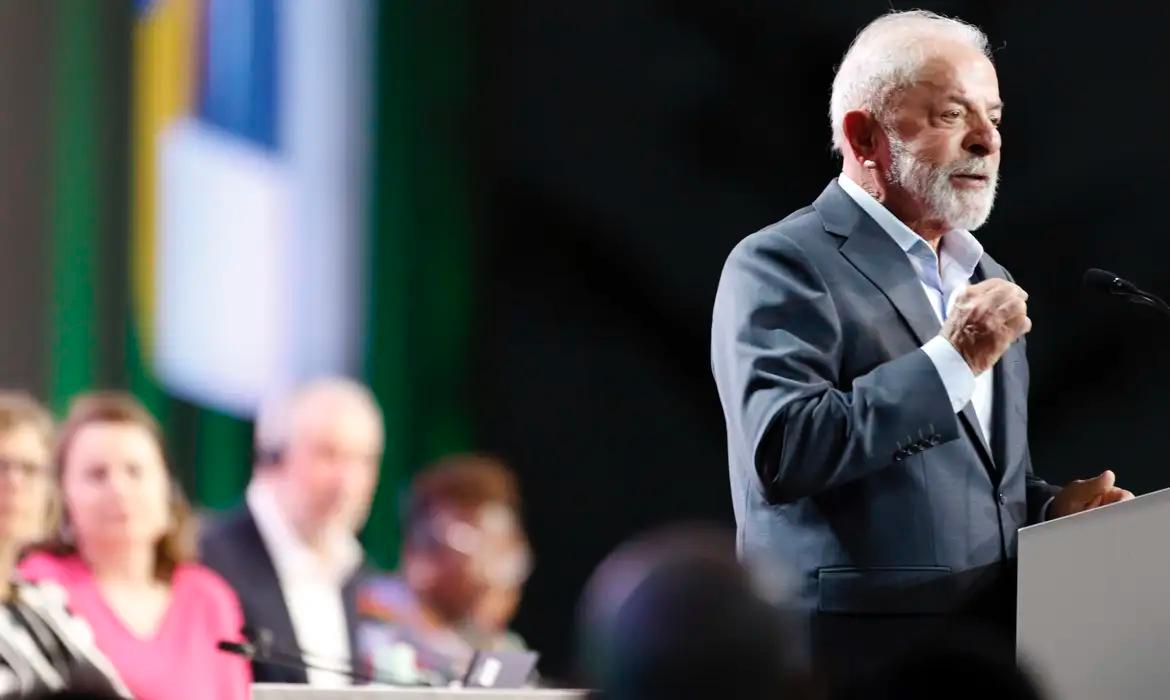
Brazil’s President Luiz Inácio Lula da Silva, whose country is hosting COP30, emphasized the importance of this agreement during the signing ceremony. “Misinformation threatens our collective ability to address the climate crisis with the urgency it demands,” he stated. “This declaration establishes a framework for international cooperation to ensure that climate policies can be developed based on scientific facts rather than distortions.”
The declaration outlines several key commitments, including enhanced cooperation between signatory countries to identify and counter climate disinformation, support for independent fact-checking organizations, and the promotion of climate literacy in educational systems. It also calls for greater transparency from social media platforms regarding climate content moderation policies.
Canadian Prime Minister Justin Trudeau, representing one of the signatory nations, highlighted the economic dimensions of the problem. “Climate disinformation not only undermines public trust in science but also creates uncertainty for businesses and investors working toward a clean energy transition,” Trudeau noted. “This agreement recognizes that accurate information is essential for both environmental protection and economic planning.”
Climate misinformation has taken various forms over the decades, evolving from outright denial of climate change to more subtle tactics that acknowledge the problem while undermining proposed solutions. Recent studies have documented a surge in climate disinformation on social media platforms, particularly during extreme weather events and international climate conferences.
Chile’s Environment Minister, speaking at the signing event, pointed to the disproportionate impact of climate disinformation on vulnerable communities. “Those who contribute least to climate change often suffer its worst effects, and misinformation frequently targets these same communities with false narratives about the costs of climate action,” she said. “This declaration represents our commitment to ensuring everyone has access to reliable information.”
While the declaration has been praised as an important first step, some climate advocacy organizations have noted that its effectiveness will depend on implementation. The agreement does not include specific enforcement mechanisms, relying instead on voluntary cooperation between signatory countries.
Notable absences from the initial signatories include several major economies with significant carbon footprints. Diplomatic sources indicate that efforts are underway to expand participation in the coming months, with negotiations ongoing with several potential additional signatories.
The declaration comes at a critical moment for global climate action, as countries work to implement the Paris Agreement and accelerate the transition away from fossil fuels. Recent scientific assessments have emphasized that rapid emissions reductions are necessary within this decade to avoid the worst impacts of climate change.
Media and technology experts welcomed the declaration but emphasized that combating climate misinformation requires a whole-of-society approach. “Government action is essential, but we also need responsible journalism, digital literacy initiatives, and cooperation from technology platforms,” noted one communications researcher specializing in climate discourse.
The agreement establishes a working group that will meet quarterly to share best practices and coordinate responses to emerging disinformation threats, with the first meeting scheduled for early next year.
Fact Checker
Verify the accuracy of this article using The Disinformation Commission analysis and real-time sources.

14 Comments
While this pact is a welcome development, the real test will be in its implementation and enforcement. Disinformation campaigns can be persistent and sophisticated, so a coordinated global effort is needed.
That’s a fair point. The success of this initiative will depend on the participating countries following through and holding each other accountable.
I’m curious to see how this pact will impact the mining and energy sectors, which have historically been associated with climate disinformation. Will it lead to more transparency and accountability in these industries?
That’s an interesting question. The pact could put pressure on those sectors to align their messaging and practices with the scientific consensus on climate change.
While I support the goals of this pact, I’m skeptical about its long-term effectiveness. Disinformation campaigns are often well-funded and sophisticated, and combating them requires sustained effort and political will.
That’s a fair point. Vigilance and a commitment to ongoing monitoring and adaptation will be essential to ensure the pact remains effective over time.
It’s encouraging to see major mining and energy-producing countries like Brazil, Canada, and Chile signing on to this initiative. Their participation lends credibility and could set a precedent for others to follow.
Absolutely. The involvement of these key players in the mining and energy sectors is a positive sign that the pact has the potential to drive meaningful change.
This is an important step in combating the spread of climate disinformation. Misinformation has undermined climate action for too long, and I’m glad to see countries coming together to address this challenge.
Agreed. Promoting accurate, science-based information is crucial to making real progress on climate change.
This pact is a welcome development, but I’m curious to see how it will be implemented in practice. Will there be clear guidelines and mechanisms for identifying and addressing disinformation, and what will the consequences be for non-compliance?
Those are good questions. The details of implementation and enforcement will be crucial in determining the pact’s real-world impact. Transparent and consistent application across all signatories will be key.
This agreement is a positive step, but I wonder how it will be enforced across different legal and political systems. Ensuring consistent application will be a major challenge.
That’s a valid concern. Effective international cooperation and a commitment to the rule of law will be crucial for this pact to have a meaningful impact.