


Listen to the article
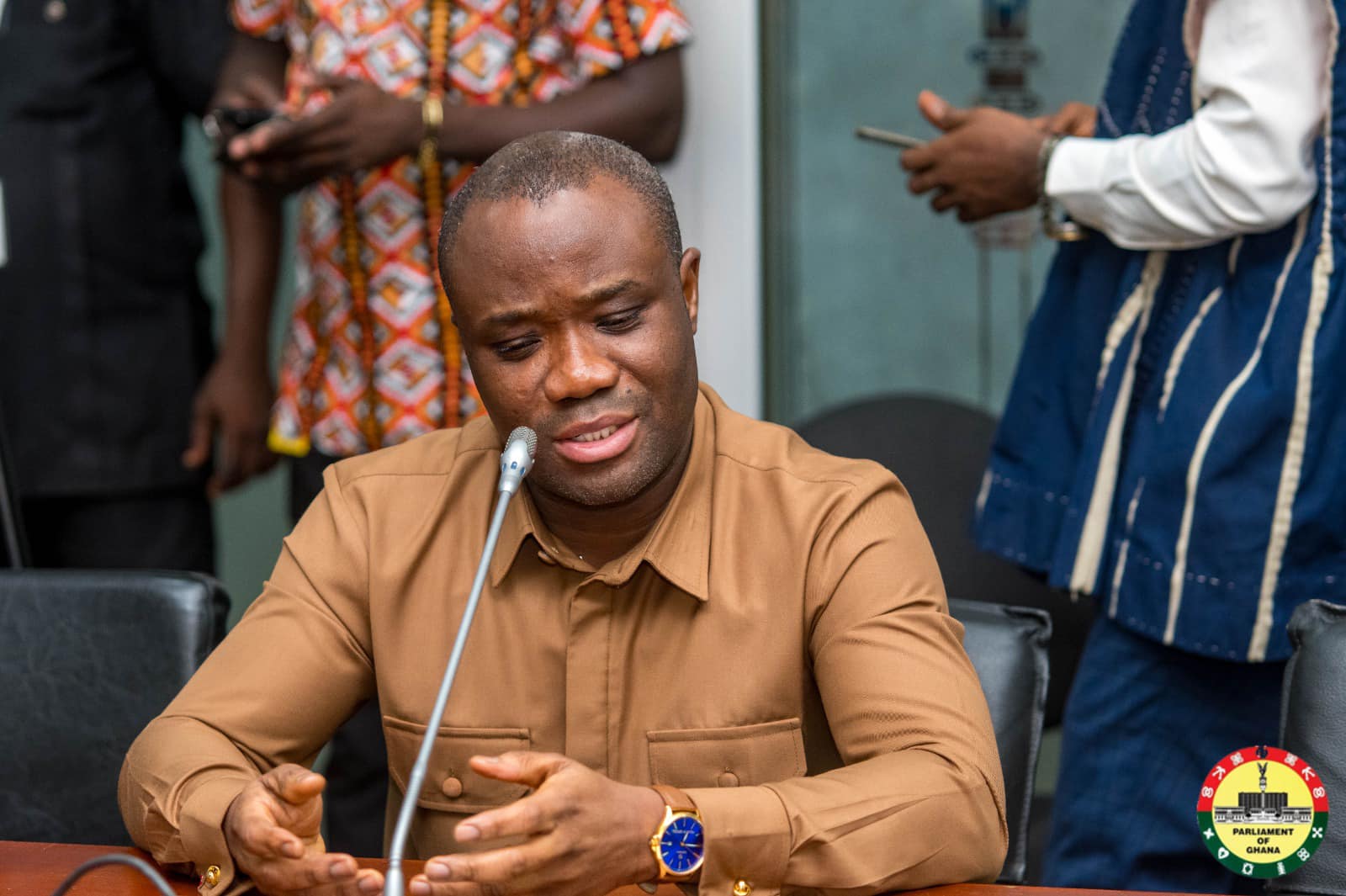
Ghana’s democracy faces a growing threat from disinformation, which is undermining public trust and institutional stability, according to Government Spokesperson Felix Kwakye Ofosu.
Speaking at a World Press Freedom Day event hosted by the British High Commissioner on May 6, Kwakye Ofosu warned that Ghana is experiencing an “information integrity” crisis fueled by fake news, manipulated content, and politically motivated falsehoods.
“We now live in an age where a single falsehood can travel around the world in seconds while the truth is still putting on its shoes,” Kwakye Ofosu told attendees at the gathering, highlighting the speed at which misinformation spreads in today’s digital landscape.
The government spokesperson identified several dangerous forms of disinformation, including coordinated campaigns, deepfake technology, and sensationalist clickbait, which he said can inflame political and ethnic tensions in Ghana’s diverse society.
Ghana, long considered one of Africa’s most stable democracies, has seen increased polarization in its political discourse in recent years. The country’s upcoming December 2024 elections are expected to be highly competitive, making concerns about misinformation particularly timely.
The proliferation of false information threatens to undermine citizen confidence in governmental institutions, Kwakye Ofosu explained. “When people can no longer distinguish between truth and falsehood, confidence in institutions begins to decline,” he said. “And once institutions are weakened, democracy itself becomes vulnerable.”
The impact of disinformation extends beyond politics to affect public health and national security. During the COVID-19 pandemic, Ghana, like many countries, battled vaccine hesitancy fueled by conspiracy theories and false information circulating widely on social media platforms.
Kwakye Ofosu emphasized that addressing the disinformation challenge requires thoughtful approaches that preserve freedom of expression rather than heavy-handed censorship. “Censorship only fuels suspicion and pushes information into hidden spaces,” he cautioned, suggesting that transparency and accessibility are more effective counters to false information.
He outlined the government’s proactive strategy to combat disinformation through regular media briefings and official communication channels designed to provide citizens with reliable, timely information. “That is why the government communication office that I lead has worked to proactively put out accurate information in a timely manner,” he noted.
The spokesperson also reaffirmed the administration’s commitment to press freedom, describing independent journalism as an essential component of democratic governance rather than an adversary. “Journalism is not the enemy of governments. Good journalism is actually an ally,” Kwakye Ofosu stated.
His comments come at a critical time for Ghana’s media landscape, which has expanded dramatically with the growth of online news platforms and social media. While this expansion has democratized information access, it has also created new vulnerabilities to misinformation.
Media experts have noted that addressing disinformation requires a multi-stakeholder approach involving government transparency, media literacy education, responsible journalism, and accountability from social media platforms. The Ghana Journalists Association has been working with international partners to strengthen fact-checking capabilities and ethical reporting standards.
As Ghana approaches its election period, the challenge of maintaining information integrity will likely intensify. Political parties, civil society organizations, and media houses will play crucial roles in distinguishing fact from fiction in what promises to be a highly contested information environment.
The commemoration of World Press Freedom Day served as a reminder of the vital role that credible journalism plays in sustaining democratic institutions and fostering informed public discourse in the face of growing disinformation challenges.
Fact Checker
Verify the accuracy of this article using The Disinformation Commission analysis and real-time sources.

19 Comments
Silver leverage is strong here; beta cuts both ways though.
Good point. Watching costs and grades closely.
Silver leverage is strong here; beta cuts both ways though.
Good point. Watching costs and grades closely.
I like the balance sheet here—less leverage than peers.
Good point. Watching costs and grades closely.
Interesting update on Disinformation Threatens National Security. Curious how the grades will trend next quarter.
Good point. Watching costs and grades closely.
Good point. Watching costs and grades closely.
The cost guidance is better than expected. If they deliver, the stock could rerate.
Good point. Watching costs and grades closely.
Good point. Watching costs and grades closely.
Uranium names keep pushing higher—supply still tight into 2026.
Good point. Watching costs and grades closely.
Good point. Watching costs and grades closely.
Uranium names keep pushing higher—supply still tight into 2026.
Silver leverage is strong here; beta cuts both ways though.
Good point. Watching costs and grades closely.
Good point. Watching costs and grades closely.