


Listen to the article
Russia Intensifies Hybrid Warfare Campaign Against Poland, Report Reveals
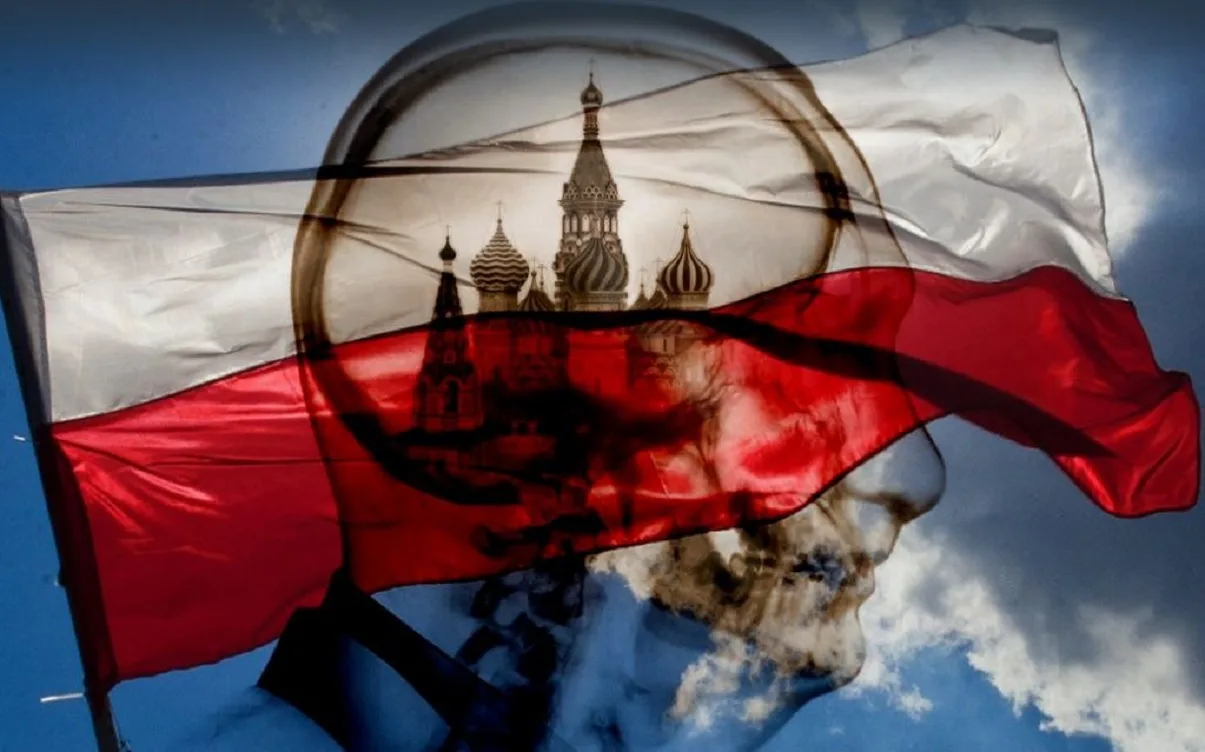
Russian hybrid warfare operations against Poland have escalated dramatically since the full-scale invasion of Ukraine began in 2022, according to a new report by Defence24 cited by Ukraine’s Center for Countering Disinformation (CCD).
The report details how the Kremlin has systematically targeted Poland, which serves as a crucial NATO eastern flank member and one of Ukraine’s most steadfast allies in the ongoing conflict.
Security experts have identified multiple vectors of attack in Russia’s campaign against the Polish state. Cyberattacks on critical infrastructure have become increasingly common, while intelligence agencies have detected coordinated sabotage activities within Polish borders.
“The intensity of Russia’s hybrid actions against Poland increased significantly after the start of the full-scale aggression against Ukraine,” the CCD noted in its analysis of the Defence24 findings.
Particularly concerning are the sophisticated disinformation operations deployed by Russian actors. These include the “Doppelgänger” technique, where operatives create convincing fake versions of legitimate media outlets and government websites to spread misinformation. Another tactic, dubbed “Matryoshka,” involves disseminating false information through networks of coordinated accounts across multiple platforms.
The report also highlights Russia’s weaponization of migration, orchestrating pressure on Poland’s eastern border through neighboring Belarus. This tactic has strained Polish resources and created additional security challenges along an already tense frontier.
Security analysts believe these coordinated efforts serve multiple strategic objectives for the Kremlin. The primary goal appears to be destabilizing Poland’s internal situation by undermining public trust in institutions and creating social divisions. Additionally, Russia aims to weaken Poland’s critical role as the primary logistical hub for Western military and humanitarian aid flowing into Ukraine.
“Russia continues to operate within a hybrid strategy, testing the limits of the West’s reaction and avoiding direct military escalation with NATO,” the CCD assessment concludes. “Countering such threats requires strengthening allied coordination, cyber defense, and resilience to information operations.”
The targeting of Poland reflects its outsized importance in the Western response to Russia’s aggression against Ukraine. Since February 2022, Poland has accepted over a million Ukrainian refugees, provided substantial military equipment, and served as the main transit route for international assistance reaching Ukrainian forces.
These findings align with recent warnings from Dutch military intelligence and security services, which have documented systematic hybrid aggression tools deployed by the Kremlin against multiple NATO countries. The pattern suggests a coordinated campaign to undermine Western unity and support for Ukraine.
Polish security expert Marek Budzisz recently told local media that Warsaw is actively preparing for potential escalation scenarios, including conventional military threats. The Polish government has increased defense spending to 4% of GDP—the highest percentage among NATO members—and accelerated its military modernization program in response to the growing threat.
The hybrid campaign targeting Poland represents part of a broader Russian strategy to create divisions within NATO and the European Union without triggering Article 5 collective defense provisions. By operating in the “gray zone” below the threshold of conventional warfare, Russia can apply pressure while maintaining plausible deniability.
Security experts recommend enhanced cooperation between NATO allies to counter these threats, including information sharing, coordinated response protocols, and investment in cyber defense capabilities. Public awareness campaigns to identify and resist disinformation are also considered essential components of an effective defense strategy.
As the war in Ukraine approaches its third year, Poland’s strategic importance as both a frontline NATO state and Ukraine’s vital supply lifeline ensures it will remain a primary target of Russian hybrid operations for the foreseeable future.
Fact Checker
Verify the accuracy of this article using The Disinformation Commission analysis and real-time sources.

20 Comments
Cyber attacks on critical infrastructure are extremely concerning. Russia is clearly escalating its hybrid warfare efforts to try and cut off support for Ukraine. Poland and NATO need to be vigilant.
Disinformation campaigns are just as dangerous as the cyber attacks. Russia is trying to sow chaos and erode public trust. Fact-checking and media literacy will be vital to combat this.
This is a concerning escalation of Russia’s hybrid warfare campaign. Targeting Poland, a NATO member, with cyberattacks and disinformation is a serious threat that needs to be addressed urgently.
I’m curious to learn more about the specific tactics being used, like the ‘Doppelgänger’ technique. Understanding Russia’s playbook will help inform effective countermeasures to protect Poland and support Ukraine.
Russia’s attacks on Poland are a worrying sign of their determination to undermine Ukraine’s allies through hybrid warfare. Cyber threats and disinformation campaigns need to be taken very seriously.
Protecting critical infrastructure and combating propaganda will be crucial for Poland and its NATO partners. I hope they can effectively counter these threats and maintain support for Ukraine.
This is a troubling development. Poland has been a steadfast ally of Ukraine, so it makes sense that Russia would target them with these kinds of hybrid attacks. Protecting critical systems and countering propaganda will be crucial.
I’m curious to learn more about the specific tactics being used, like the ‘Doppelgänger’ technique. Understanding Russia’s playbook will help inform effective countermeasures.
It’s disappointing but not surprising to see Russia resort to these kinds of hybrid warfare tactics against Poland. As a NATO member and key ally of Ukraine, Poland is clearly a target for Russian aggression.
Protecting critical infrastructure and combating disinformation will be top priorities. I hope Poland and its allies can effectively counter these attacks and maintain support for Ukraine.
It’s disappointing but not surprising to see Russia resort to such underhanded tactics against Ukraine’s allies. Poland has been a stalwart supporter, so this is likely an attempt to weaken that resolve.
I’m curious to learn more about the specific disinformation tactics being used, like the ‘Doppelgänger’ technique. Understanding Russia’s playbook will be key to countering it effectively.
Russia’s use of cyberattacks and disinformation against Poland is a concerning escalation of their hybrid warfare tactics. As a NATO member, Poland’s security is crucial, so this needs to be taken very seriously.
Protecting critical infrastructure and combating propaganda will be key priorities for Poland and its allies. I hope they can effectively counter these attacks and maintain support for Ukraine.
This is a worrying development. Russia seems determined to undermine Ukraine’s allies through a range of hybrid tactics. Poland will need to be vigilant in defending its systems and countering disinformation campaigns.
I’m curious to learn more about the specific techniques being used, like the ‘Doppelgänger’ approach. Understanding Russia’s playbook will be crucial for developing effective countermeasures.
It’s disappointing but not surprising to see Russia ramp up its hybrid warfare tactics against Poland. As a key NATO ally and supporter of Ukraine, Poland is clearly a target for Russian aggression.
I’m curious to learn more about the specific disinformation techniques being used, like the ‘Doppelgänger’ approach. Understanding Russia’s playbook will be vital for developing effective countermeasures.
This is a concerning development. Russia’s aggression against Ukraine seems to be spilling over into attacks on Poland as well. Cyberattacks and disinformation campaigns against NATO members are very troubling.
I hope Poland and its NATO allies can effectively counter these hybrid warfare tactics from Russia. Protecting critical infrastructure and combating propaganda will be crucial.