


Listen to the article
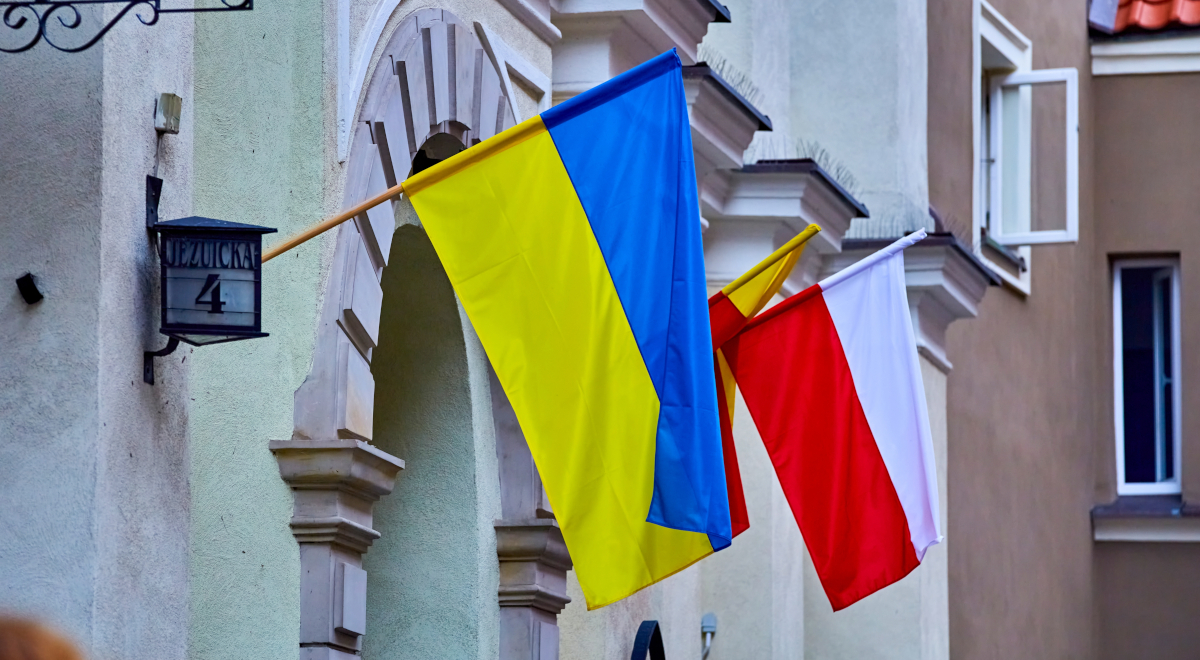
A disturbing trend of anti-Ukrainian sentiment has been emerging in Poland, marking a significant shift from the overwhelming support that greeted refugees at the start of Russia’s invasion in 2022, according to reporting by the Guardian newspaper.
In one particularly troubling incident in Szczecin, a Ukrainian couple speaking their native language with their young daughter became targets of both verbal and physical assault. A stranger approached the family, demanding they “teach your daughter to speak Polish” before physically attacking them. The assailant was later sentenced to 14 months in prison for the hate crime.
The true extent of such incidents remains difficult to quantify as many go unreported, experts say. However, public opinion surveys paint a clear picture of waning Polish support for Ukrainian refugees. In March 2022, when the initial wave of Ukrainians fled the war, an overwhelming 94% of Poles supported accepting them. That figure has plummeted to just 48% by late 2024, reflecting a dramatic reversal in public sentiment.
“There is an attitude in society that we don’t owe anything to the Ukrainians anymore,” said Piotr Buras, who heads the European Council on Foreign Relations office in Warsaw.
This shift comes despite economic data showing that Ukrainian refugees have been net contributors to the Polish economy. The changing attitudes appear to be driven by multiple factors, including online disinformation campaigns and a rightward shift in political discourse, particularly following the election of President Nawrocki.
In August, Nawrocki vetoed legislation that would have extended social benefits for Ukrainian nationals, signaling a tougher stance on refugee support at the highest levels of government. This move reflected and potentially reinforced growing negative stereotypes.
“Ukrainians are more often portrayed as ungrateful and hungry for benefits,” the Guardian reported, contrasting this characterization with economic reality.
Oleksandr Pestrykov from the Ukrainian House Foundation in Warsaw has observed this changing climate firsthand. He told reporters that anti-Ukrainian rhetoric began surging online in 2023 but initially resulted in only occasional complaints from Ukrainian residents. “But starting from summer, we’ve had a pretty large number of people reporting attacks to us, thankfully so far mostly verbal attacks,” he said.
The situation in Poland presents a unique dynamic in European politics. Buras noted that the exceptional support shown in 2022 was always likely to fade. “Now we are kind of returning to normal,” he explained, adding that Polish attitudes toward Ukrainians are complicated by historical grievances, including memories of the World War II-era Volhynia massacre.
This complex historical relationship creates a political environment where Poles can hold anti-Ukrainian views while maintaining strong anti-Russian positions. “In most countries, being anti-Ukrainian means also being pro-Russian,” Buras observed. “But not in Poland.”
The country’s historical antagonism toward Russia remains largely unchanged, even as attitudes toward Ukrainian refugees have soured. This distinguishes Poland from other European nations where support for Ukraine and opposition to Russia typically align closely.
Despite these troubling trends, not all experiences of Ukrainians in Poland have been negative. According to a 2024 report from Poland’s National Bank cited by the Guardian, 58% of Ukrainians living in Poland hope their children will continue residing in the country “for many years,” suggesting that many still see Poland as offering a better future despite rising hostility.
The changing dynamics highlight the challenges of sustaining refugee support over extended periods, particularly as the war in Ukraine continues with no end in sight and the initial surge of empathy gives way to more complicated social and political realities.
Fact Checker
Verify the accuracy of this article using The Disinformation Commission analysis and real-time sources.

7 Comments
It’s disappointing to see this shift in public opinion in Poland. Ukrainian refugees have faced immense hardship and deserve compassion and support, not hostility and violence. Increased efforts are needed to counter disinformation and promote unity during this challenging time.
Absolutely. The assault on the Ukrainian family is a disturbing example of the real-world consequences of this growing anti-Ukrainian sentiment. Poland must take firm action to address this issue and protect vulnerable refugees.
The decline in Polish support for Ukrainian refugees is deeply concerning. This trend appears to be driven by a disinformation campaign that is sowing division and intolerance. It’s critical that the authorities and civil society work to counter these harmful narratives and uphold Poland’s tradition of welcoming those in need.
The shift in public opinion towards Ukrainian refugees in Poland is deeply worrying. Hostility and violence against vulnerable people fleeing conflict is unacceptable. Authorities must take firm action to counter disinformation, promote tolerance, and ensure the continued protection of refugee rights.
This is a complex and concerning situation. While Poland initially showed great compassion in welcoming Ukrainian refugees, the reported increase in anti-Ukrainian sentiment is troubling. Robust efforts are needed to address the underlying causes, whether it’s disinformation, political shifts, or other factors. The rights and safety of refugees must be protected.
This is a troubling development. The attack on the Ukrainian family is completely unacceptable and speaks to the concerning rise in anti-Ukrainian sentiment in Poland. Reporting on the dramatic decline in public support for refugees is concerning and highlights the need for continued efforts to promote tolerance and understanding.
I agree, the drop in support from 94% to just 48% is alarming. Poland should be commended for initially welcoming so many refugees, but clearly more needs to be done to address the growing hostility and disinformation targeting Ukrainians.