


Listen to the article
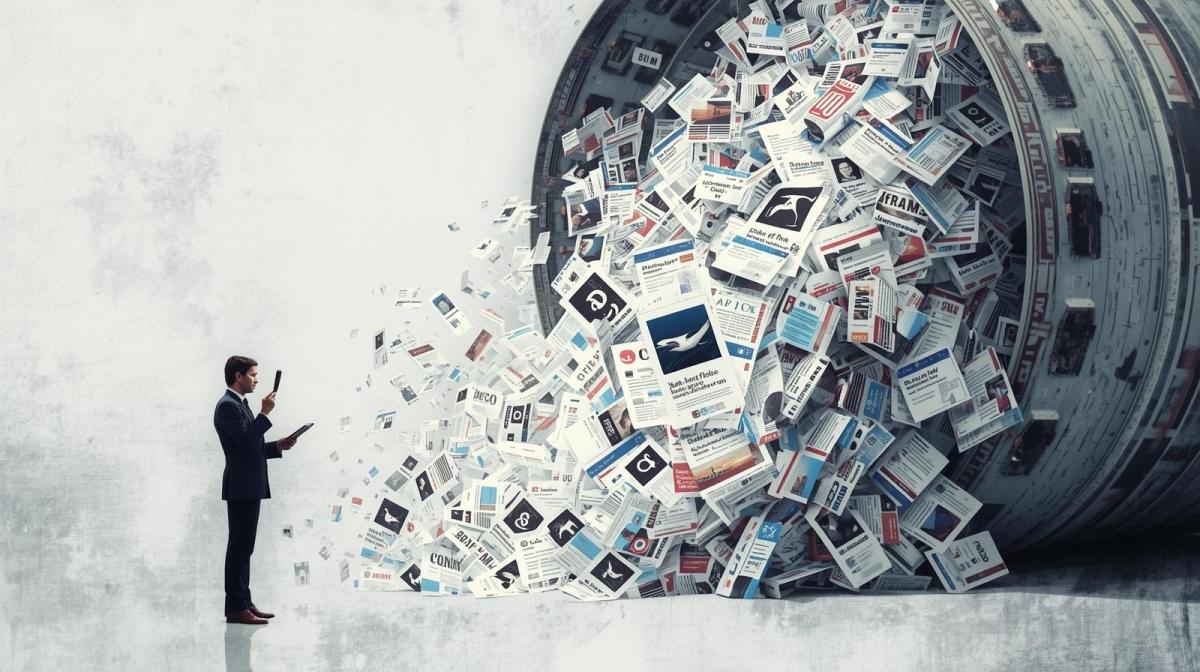
In the hours following the capture of Venezuelan President Nicolás Maduro, a wave of disinformation swept across social media platforms, presenting a disturbing glimpse into how artificial intelligence can distort public perception during major geopolitical events.
Social media erupted with images and videos allegedly showing Venezuelans “celebrating their liberation” by the United States. These posts went viral, amplified by high-profile accounts—including Elon Musk—but fact-checkers have confirmed that much of the content was entirely AI-generated.
One particularly viral video posted on X (formerly Twitter) by the account Wall Street Apes claimed to show Venezuelans “crying on their knees thanking Trump and America for freeing them from Nicolás Maduro.” The clip garnered over 5 million views despite containing obvious visual inconsistencies: elderly women appearing and disappearing from frame, flags changing shape, and impossible crowd formations. Analysis traced the earliest version of the clip to a TikTok account with a history of publishing AI-generated videos.
Similarly, images purportedly showing Maduro in custody with DEA agents circulated widely. One viral photo shared by conservative activist Benny Johnson depicted the Venezuelan leader flanked by soldiers in DEA-marked fatigues. Open-source intelligence analysts traced this image to an X user who later admitted, “This photo I created with AI went viral worldwide.” Further examination using Google’s Gemini AI detection tools revealed a hidden SynthID watermark, confirming the digital fabrication.
The disinformation campaign extended to elaborate fake celebration photos allegedly from Caracas and protest images supposedly from New York. These images contained telltale signs of AI generation: incorrectly colored flags, star patterns that don’t match Venezuela’s official flag, and protest signs with illegible text. Fact-checking organization PolitiFact rated these posts their most severe falsehood rating: “Pants on Fire!”
Media analyst Ben Norton highlighted the sophistication of this new wave of propaganda, noting, “The US empire’s war propaganda is getting much more sophisticated. You can bet the US government will use AI to try to justify its many more imperialist wars of aggression.”
Adding to the confusion, scenes from movies were circulated as authentic footage. Journalist Alan MacLeod identified one such video allegedly showing Maduro torturing Venezuelan dissidents that garnered 15 million views, which was actually footage from a fictional film.
The flood of misinformation emerged within a specific political context. Trump announced Maduro’s capture on Truth Social, stating the Venezuelan leader had been “captured and flown out of the country,” while U.S. Attorney General Pam Bondi announced indictments for narco-terrorism, cocaine importation, and possession of machine guns.
Tech publications including WIRED noted that even AI chatbots were unable to verify the events in real time, sometimes providing contradictory or false information when queried about the situation.
The Maduro case demonstrates a troubling new reality in information consumption: “seeing is no longer believing.” High-profile endorsements of fabricated content by influencers, politicians, and tech executives can spread disinformation faster than traditional fact-checking mechanisms can respond. This creates a global information environment where truth becomes increasingly unstable, and public perception can be manipulated with unprecedented speed.
Media analysis program Breaking Points examined how these fake videos are being used to shape public perception of Venezuela. The show’s hosts contrasted the manufactured celebratory footage with actual reports from Venezuela showing fear, protests, and widespread concern about foreign intervention.
Their analysis also highlighted the divide between Venezuelans inside the country and those in the diaspora, noting polling data showing significantly higher support for foreign intervention among Venezuelans living abroad than those still in Venezuela.
The case illustrates a historical pattern in U.S. foreign policy messaging, where triumphalism and oversimplified narratives have previously been employed to justify interventions from the Spanish-American War to Iraq and Afghanistan.
As disinformation technology advances, the verification challenge for both journalists and citizens grows more complex. The most important defensive measure remains basic media literacy: checking sources, verifying facts, and maintaining healthy skepticism when stories seem too perfect or dramatic to be true.
Fact Checker
Verify the accuracy of this article using The Disinformation Commission analysis and real-time sources.

11 Comments
I’m curious to know more about the specific AI techniques used to generate this content. Understanding the technical capabilities and limitations of these tools could help inform strategies to combat their misuse.
That’s a great question. Analyzing the AI models and methods behind these fakes would provide valuable insights to develop more effective detection and mitigation approaches. Transparency around AI capabilities is crucial.
This really highlights the need for greater media literacy, especially among younger generations who may be more susceptible to believing online content without proper fact-checking. Educating the public is key to building resilience against disinformation.
This is a complex and concerning issue. While AI can be a powerful tool, it’s clear that bad actors are finding ways to exploit the technology for nefarious purposes. We need to stay vigilant and find ways to build resilience against these tactics.
This is a good reminder that we need to be very cautious about what we see and share on social media, especially around politically-charged topics. AI-generated fakes can seem so realistic but can have dangerous real-world consequences.
Absolutely. With the increasing sophistication of AI, it’s becoming harder for the average person to spot manipulated content. We all need to develop a more critical eye when consuming online information.
Wow, this is really concerning. Disinformation campaigns amplified by AI-generated content can have such a huge impact, especially around major political events. It’s a serious threat to democracy that needs to be addressed.
Agreed, this highlights how advanced AI can be used to spread misinformation at scale. Fact-checking and media literacy are crucial to combat these deceptive tactics.
As someone who closely follows mining and commodities news, I’m concerned about how this kind of disinformation could impact markets and investor sentiment. We need robust fact-checking and transparency to maintain trust in the sector.
That’s a really good point. Disinformation around geopolitical events in resource-rich regions could have significant ripple effects on commodity prices and investments. Reliable information is crucial for healthy markets.
The fact that high-profile accounts like Elon Musk’s amplified this misinformation is really troubling. People in positions of influence need to be extra careful about verifying the accuracy of what they share, to avoid inadvertently spreading disinformation.