


Listen to the article
AI-Generated Propaganda Campaign Targets Ukrainian-Polish Relations
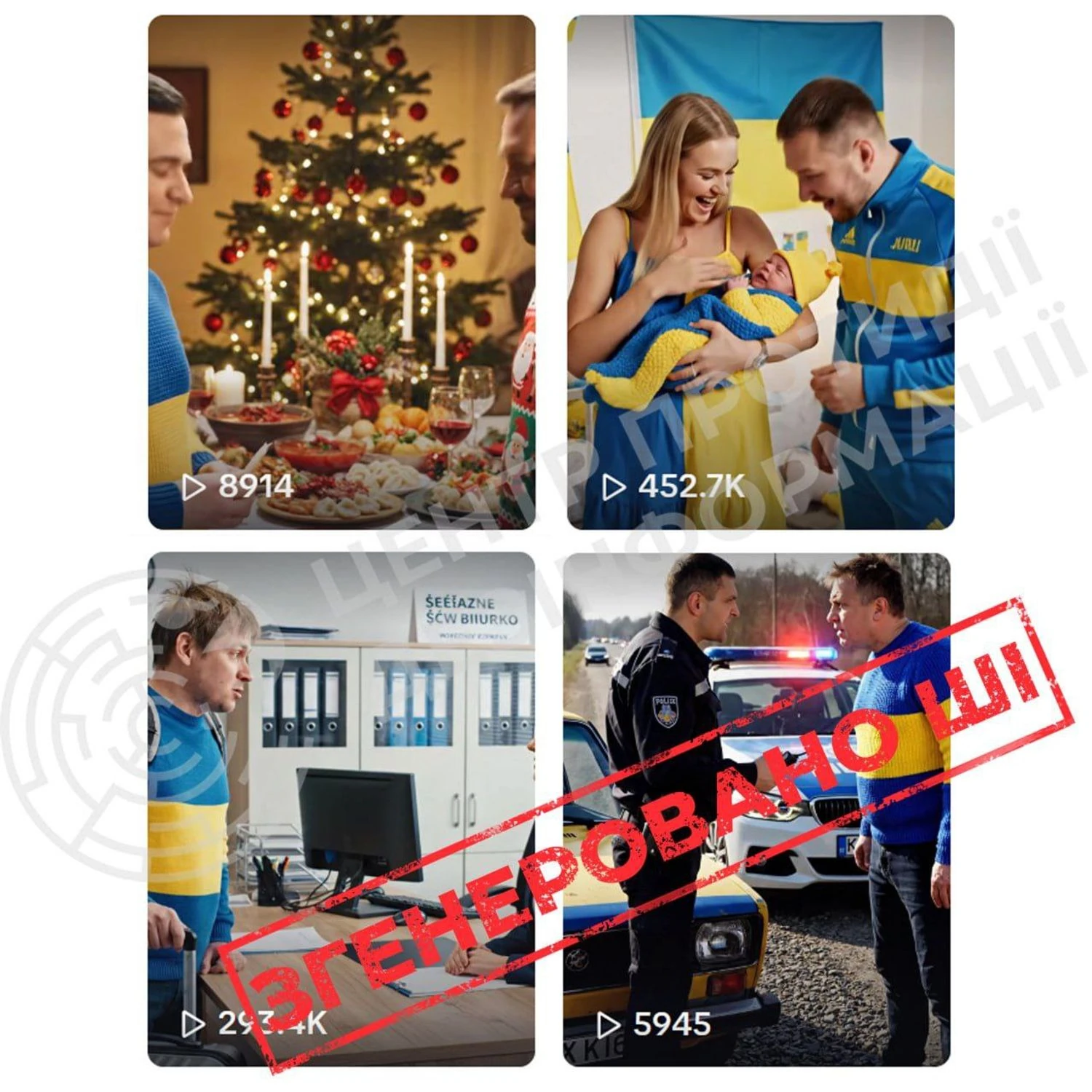
A sophisticated anti-Ukrainian disinformation campaign is spreading rapidly across Polish social networks, according to a recent alert from the Center for Countering Disinformation. The campaign leverages AI-generated content disguised as humorous videos to systematically discredit Ukrainians and inflame tensions between Polish citizens and Ukrainian refugees.
The Center reports that TikTok has become ground zero for this operation, where artificially created videos portray Ukrainians in Poland as “greedy, uneducated people who allegedly ‘rob’ Poles.” By cloaking propaganda in seemingly innocent humor, the campaign makes it significantly harder for average social media users to identify the content as manipulative.
“When disinformation is presented as humor or entertainment, it can bypass our critical thinking filters,” explained Marta Kowalski, a media analyst based in Warsaw who was not quoted in the original report. “People share these videos thinking they’re just funny content, inadvertently helping spread harmful stereotypes.”
This isn’t the first time such tactics have appeared. The Center for Countering Disinformation notes they have “repeatedly recorded similar campaigns” where AI-generated humorous content served as a vehicle for narratives favorable to Russia’s interests while destabilizing public sentiment in neighboring countries.
The timing of this campaign appears strategic, coinciding with “a general intensification of the spread of anti-Ukrainian messages in the Polish-language segment of social networks,” according to the Center’s statement. The coordinated effort comes at a critical juncture for Ukrainian-Polish relations, which have been strained by historical disagreements and practical challenges related to refugee support systems.
Poland has been a crucial ally for Ukraine since Russia’s full-scale invasion in February 2022, accepting more Ukrainian refugees than any other European country—approximately 1.5 million Ukrainians have sought refuge there. However, the extended nature of the conflict has created economic pressures and social tensions that propagandists are now attempting to exploit.
Notably, a recent survey suggests that nearly half of Polish citizens believe Ukraine should accept territorial losses to end the war with Russia, indicating potential shifts in public sentiment that could be exacerbated by targeted disinformation.
Security experts point to Russia as the likely orchestrator behind such campaigns, though definitive attribution remains difficult. The Kremlin has consistently employed information warfare tactics to weaken Western support for Ukraine and create divisions among European allies.
“The strategic goal is clear—to erode Polish public support for Ukraine at a time when such solidarity is crucial,” said Dr. Jan Nowak, a security expert at the University of Warsaw. “By targeting Poland specifically, Russian propagandists aim to weaken one of Ukraine’s strongest European allies.”
Polish and Ukrainian officials have been working to counter such narratives. Last month, representatives from both countries’ security services met in Warsaw to discuss coordinated responses to information threats, emphasizing the importance of media literacy campaigns and transparent communication about mutual challenges.
Digital platforms like TikTok face increasing scrutiny for their role in amplifying such content. While the company has policies against coordinated inauthentic behavior, the sophisticated nature of these AI-generated videos presents new challenges for content moderation systems.
Experts recommend that social media users approach humorous content about sensitive social or political issues with heightened awareness, particularly when it reinforces negative stereotypes or seems designed to provoke strong emotional reactions.
As this information battle continues, both Polish and Ukrainian civil society organizations are increasing efforts to foster people-to-people connections that build resilience against attempts to divide communities that have found new bonds through the shared experience of responding to Russia’s war.
Fact Checker
Verify the accuracy of this article using The Disinformation Commission analysis and real-time sources.

6 Comments
Exploiting social media humor to push propaganda is a sneaky approach. It’s crucial that people stay critical and fact-check content, even if it seems lighthearted. Disinformation can have serious real-world consequences.
Absolutely. Platforms like TikTok need to do more to detect and remove this type of manipulative content.
This is very concerning. Weaponizing AI to spread disinformation and sow division is a worrying trend. We need to be vigilant and call out these tactics wherever they emerge.
This is a prime example of how advanced AI can be misused for malicious purposes. We need to stay vigilant and call out these kinds of manipulative tactics whenever we see them.
Cloaking propaganda in humor is a concerning tactic. I hope the authorities and social media companies can work together to identify and take down these kinds of coordinated disinformation campaigns.
The use of AI-generated videos to target Ukrainian-Polish relations is a worrying development. We should be wary of content that plays on stereotypes or emotions rather than facts.