


Listen to the article
As Assam’s election approaches, concerns over AI-driven misinformation have reached a critical point, with experts warning about potential threats to democratic processes in what has become the state’s first campaign significantly influenced by artificial intelligence.
Political analyst Rupak Bhattacharjee, who has extensively studied Assam’s electoral landscape, expressed serious concerns about the emerging trend. “Use of Artificial Intelligence to spread misinformation, fake news, and false narratives is a dangerous thing and can hurt the integrity of election campaigns,” Bhattacharjee cautioned in a recent assessment of the electoral environment.
With polling scheduled for April 9 and the mandatory Silent Period—during which campaigning is prohibited—already in effect, the impact of AI manipulation may already be entrenched in the electoral discourse. This timing leaves little opportunity for correction or clarification before voters head to the polls.
The northeastern state of Assam, known for its tea gardens and complex ethnic political dynamics, is witnessing this technological shift at a particularly sensitive moment. The state has historically navigated complex issues including immigration, citizenship through the National Register of Citizens (NRC), and ethnic identity politics—all fertile ground for targeted misinformation campaigns.
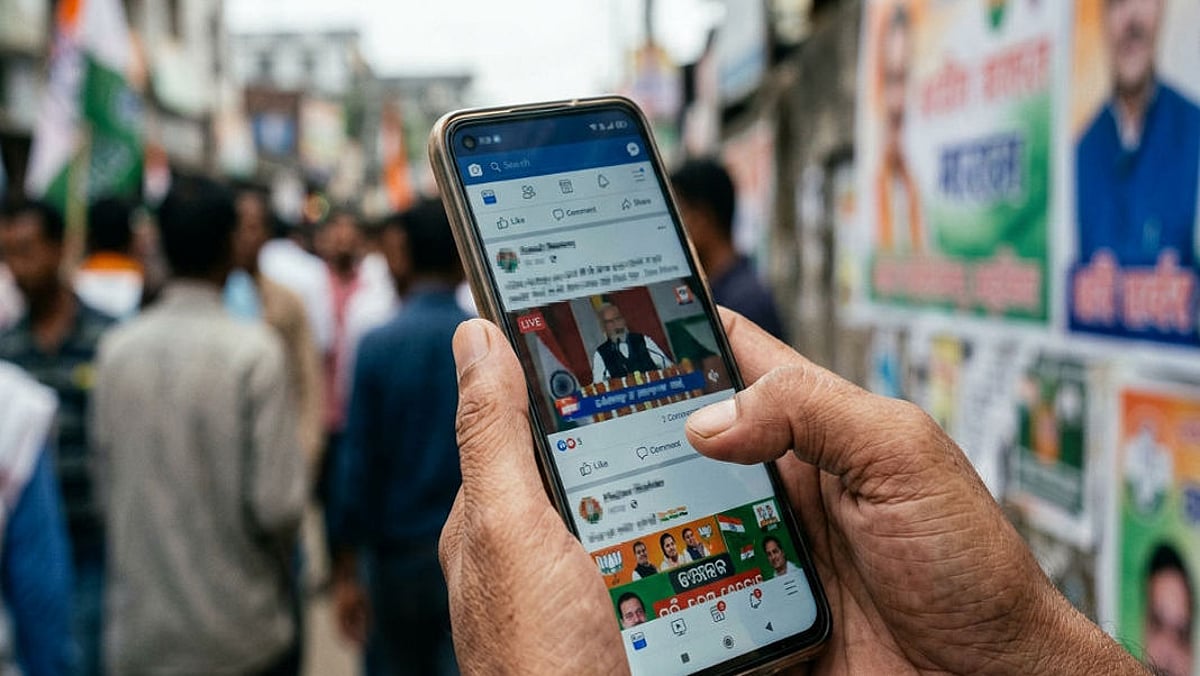
Electoral officials and cybersecurity experts have noted a significant uptick in sophisticated AI-generated content circulating across social media platforms and messaging applications. Unlike crude manipulations of the past, modern AI tools can create highly convincing fake videos, audio clips, and images that appear authentic even to discerning viewers.
The concern extends beyond isolated incidents of digital fakery. What troubles election observers most is the potential erosion of public trust in information sources when AI blurs the line between authentic and fabricated content. This problem becomes particularly acute during the compressed timeline of an election campaign, when voters have limited time to verify information before making electoral decisions.
“We’re seeing a fundamental shift in how misinformation operates,” said Dr. Anjali Sharma, a digital media researcher tracking election communications. “Earlier, fake news could eventually be debunked through fact-checking. Now, by the time one piece of AI-generated content is identified as fake, dozens more have already circulated widely.”
Regional political parties in Assam have reported instances of their candidates’ speeches being manipulated using deepfake technology, with some videos showing leaders making inflammatory statements they never actually uttered. These sophisticated fakes have primarily targeted issues related to ethnic relations and citizenship—sensitive topics in a state with a complex social fabric.
The Election Commission has attempted to address these challenges by establishing a dedicated AI monitoring cell and issuing guidelines for political parties regarding digital campaigning. However, enforcement remains challenging given the speed at which content spreads and the technical difficulties in identifying AI-generated material.
Local civil society organizations have launched media literacy campaigns to help voters identify potential AI-generated content, but their reach remains limited primarily to urban areas, leaving rural voters potentially more vulnerable to manipulation.
The situation in Assam reflects a growing global challenge as elections worldwide confront the reality of AI-enabled misinformation. International election observers have noted that developing democracies often face these technological challenges with fewer resources and regulatory frameworks than their Western counterparts.
As Assam’s electorate prepares to vote, the full impact of this AI-influenced campaign remains difficult to quantify. What is clear, however, is that this election represents a watershed moment in how technology reshapes democratic processes in India’s northeastern region.
The outcome will likely provide valuable insights for other Indian states preparing for their own electoral contests in the coming months, potentially influencing how electoral authorities across the country respond to the growing challenge of AI in political campaigns.
Fact Checker
Verify the accuracy of this article using The Disinformation Commission analysis and real-time sources.

11 Comments
While the use of AI in political campaigns raises valid concerns, I’m hopeful that Assam’s citizens will rely on authoritative sources and exercise critical thinking when evaluating information. An informed and engaged electorate is the best defense against misinformation.
Well said. Empowering voters with the tools to discern fact from fiction is key. Transparency and media literacy initiatives could help mitigate the impact of AI-driven propaganda.
This is certainly a concerning development. The use of AI to spread misinformation could have serious consequences for the integrity of the electoral process in Assam. It’s crucial that steps are taken to ensure transparency and accountability around the use of AI in political campaigns.
I agree, the timing of this AI influence, so close to the election, is particularly troubling. Voters deserve access to accurate, factual information to make informed decisions.
The potential for AI to undermine the integrity of elections is deeply troubling. I hope Assam’s authorities and civil society organizations are proactively addressing this challenge to protect the fundamental right of citizens to make informed choices.
Agreed. Vigilance and a concerted effort to combat AI-driven disinformation will be essential in the lead-up to the election. The stakes are high for Assam’s democratic future.
This is a complex issue that highlights the need for robust regulations and oversight around the use of AI in political campaigns. I’ll be watching developments in Assam closely to see how policymakers and tech companies respond to these concerns.
As someone with an interest in energy and mining developments in the region, I’ll be closely following how this AI issue plays out in Assam’s election. It’s crucial that the democratic process remains free from technological manipulation.
It’s alarming to see the potential for AI to be weaponized for political gain, especially in a vulnerable democracy like Assam. Robust safeguards and election monitoring will be critical to protect the integrity of the vote.
As an energy and commodity market analyst, I’m curious to see how this AI-driven disinformation could impact the political landscape and policies around mining, minerals, and energy in Assam. Careful monitoring and fact-checking will be essential.
You raise a good point. The extractive industries can be a sensitive political issue, so AI-fueled misinformation could sway public opinion and debate around resource development in the region.