


Listen to the article
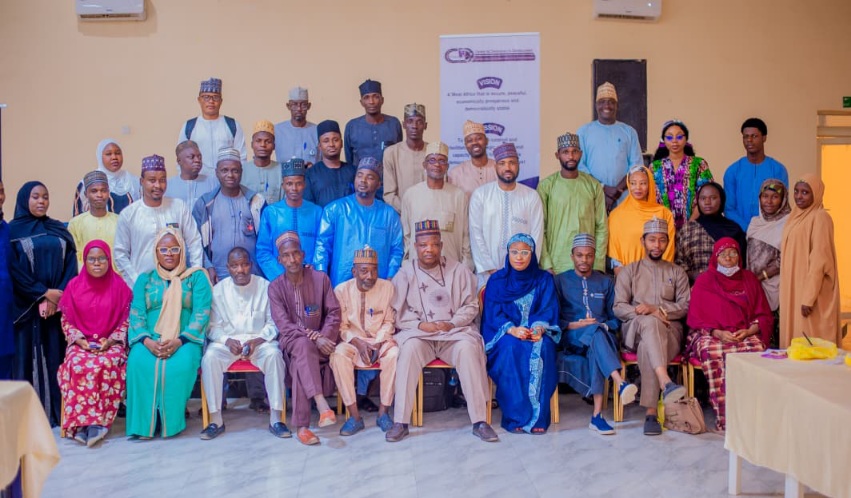
In a proactive move to combat the spread of false information, the Centre for Democracy and Development (CDD) West Africa has conducted an intensive training program for 40 journalists focused on fact-checking techniques, verification tools, and ethical reporting standards.
The two-day capacity-building workshop, held in Katsina State, comes at a time when concerns about misinformation and disinformation are mounting across Nigeria’s media landscape.
Ahmad Aluko, the CDD training facilitator, emphasized the critical role journalists play in shaping public perception in an increasingly complex information ecosystem.
“We believe that the work of journalists in the information ecosystem is crucial, especially in this age of disinformation,” Aluko stated during the workshop. “This activity is very important because journalists are major stakeholders in how information circulates in society.”
The initiative represents part of a broader effort to strengthen media integrity in Nigeria, where social media platforms and digital news consumption have dramatically altered how information spreads. Media experts have increasingly warned that without proper verification practices, false narratives can rapidly gain traction and potentially inflame tensions in a country already dealing with complex security challenges.
During the training sessions, participants learned to distinguish between misinformation—false information shared without malicious intent—and disinformation, which involves the deliberate creation and distribution of false content to manipulate public opinion. The curriculum covered various forms of disinformation, including fabricated content, propaganda, hoaxes, and election-related falsehoods that have become particularly problematic during political cycles.
The CDD trainers highlighted how unverified reporting can undermine public trust in media institutions, noting research showing that sensational false narratives often spread faster than factual news. Participants were warned that ethical lapses in reporting could inadvertently escalate tension and potentially contribute to violence in communities already experiencing fragility.
To address these concerns, journalists received hands-on training with various verification tools and methodologies designed to authenticate information before publication. These included techniques for image verification, source validation, and contextual analysis that can help identify manipulated content.
Media analysts observe that this training comes at a crucial time for northern Nigeria, where Katsina and neighboring states face significant security challenges, making accurate reporting particularly important. False information about security incidents has previously sparked unnecessary panic and complicated response efforts by authorities.
“What we expect going forward is that journalists will take precautions in carrying out their duties and ensure that all claims are verified before publication,” Aluko said, expressing optimism about the training’s potential impact on journalistic practices across the state.
The CDD’s initiative aligns with growing calls from media development organizations for enhanced professional standards in an era where traditional media gatekeeping functions have been disrupted by digital platforms. Similar training programs have been conducted in other Nigerian states, reflecting a nationwide recognition of the need to bolster fact-checking capabilities.
Media experts note that such capacity-building efforts are particularly valuable for journalists working in regions with limited resources, where newsrooms may lack access to advanced verification technologies or dedicated fact-checking staff.
The training also addressed the ethical dimensions of reporting, encouraging participants to consider the potential consequences of their work on social cohesion and public safety—especially when covering sensitive topics related to ethnicity, religion, or politics.
As Nigeria prepares for future electoral cycles and continues to navigate complex security challenges, initiatives like the CDD’s training program represent important investments in strengthening the country’s information ecosystem against the growing tide of misinformation and disinformation.
Fact Checker
Verify the accuracy of this article using The Disinformation Commission analysis and real-time sources.

8 Comments
It’s encouraging to see efforts like this to equip journalists with the skills to combat the spread of false information. Ethical reporting is key, especially as digital platforms have transformed how news reaches audiences.
Fact-checking and verification skills are essential for journalists in the digital age. This training program in Katsina seems well-timed to address growing concerns about disinformation in Nigeria’s media landscape.
I’m curious to learn more about the specific verification tools and ethical reporting standards covered in this workshop. Strengthening media integrity is critical for informed public discourse.
Interesting initiative to train journalists on fact-checking and ethical reporting. Combating the spread of misinformation is crucial for media integrity, especially as digital news transforms how information circulates.
Agreed, this type of capacity-building is important for journalists to navigate the complex information ecosystem and uphold high standards of journalistic practice.
Kudos to the CDD for taking proactive steps to upskill journalists on fact-checking and verification best practices. Restoring public trust in the media is vital as misinformation continues to proliferate online.
I agree, this type of training is crucial to ensure journalists can effectively navigate the complex digital information landscape and fulfill their role as reliable sources of news and analysis.
This training program is a timely and necessary intervention to strengthen media integrity in Nigeria. Journalists play a crucial gatekeeping role, and enhancing their fact-checking capabilities is key to combating disinformation.