


Listen to the article
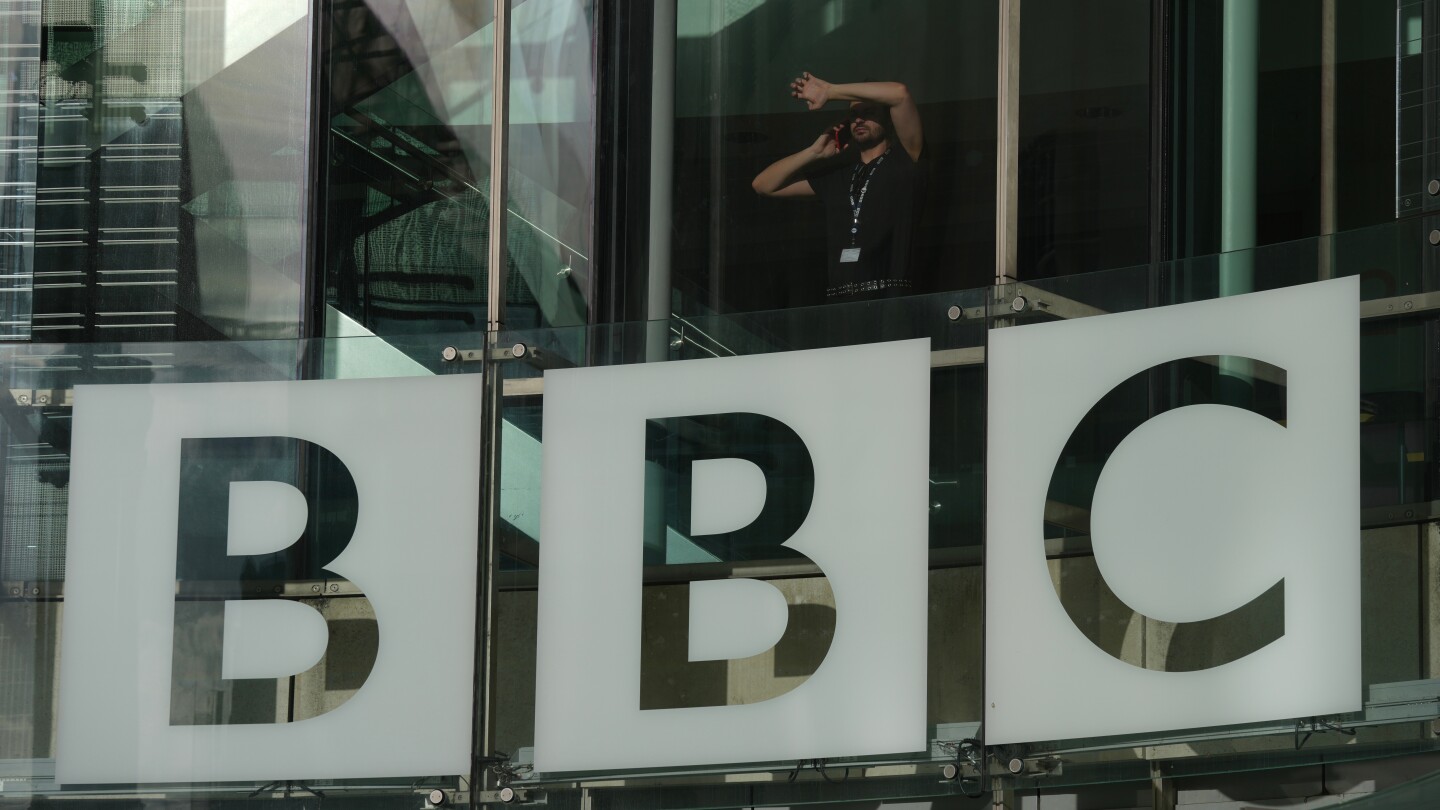
British Prime Minister Starmer Sidesteps Trump’s BBC Lawsuit Threat
British Prime Minister Keir Starmer avoided taking a direct stance Wednesday on President Donald Trump’s threat to sue the BBC for $1 billion over a misleading edit of his January 2021 speech, highlighting growing tensions between the American leader and Britain’s public broadcaster.
During his weekly parliamentary question session, Starmer was pressed by Liberal Democrat leader Ed Davey to intervene in the dispute and protect British taxpayers from potentially funding any settlement. Rather than addressing these specific concerns, Starmer reaffirmed his general support for the institution.
“I believe in a strong and independent BBC,” Starmer told lawmakers. “Some would rather BBC didn’t exist, I’m not one of them.” However, he added a qualification that “where mistakes are made, they do need to get their house in order.”
The controversy stems from an edition of BBC’s flagship “Panorama” current affairs program titled “Trump: A Second Chance?” broadcast shortly before the 2024 U.S. presidential election. The documentary contained an edited segment that spliced together three separate quotes from Trump’s January 6, 2021, speech, creating what appeared to be a single statement urging supporters to march with him and “fight like hell.”
Critically, the edit omitted a section where Trump called for peaceful demonstration, creating what BBC Chairman Samir Shah later acknowledged gave “the impression of a direct call for violent action.”
The scandal has already claimed high-profile casualties within the BBC’s leadership. Director-General Tim Davie announced his resignation on Sunday, followed by BBC news chief Deborah Turness, who stated that “as the CEO of BBC News and Current Affairs, the buck stops with me.”
Trump, in an interview with Fox News that aired Tuesday, confirmed his intention to proceed with legal action against the broadcaster. “I guess I have to,” Trump said. “Because I think they defrauded the public and they’ve admitted it.”
His lawyer, Alejandro Brito, has formally demanded the BBC issue an apology to the president and provide a “full and fair” retraction of the documentary, along with correcting other alleged “false, defamatory, disparaging, misleading or inflammatory statements” about Trump. The letter stipulates a deadline of 5 p.m. EST Friday for compliance, after which Trump will “enforce his legal rights.”
The BBC has acknowledged receiving the letter and indicated it will “respond directly in due course.”
White House Press Secretary Karoline Leavitt confirmed Wednesday that “the president’s external legal counsel has filed a lawsuit against the BBC. We expect that to continue. And whether they apologize or not is up to them.” She characterized Trump’s relationship with Starmer as good, while noting they likely disagree on the BBC’s fairness, with Trump viewing it as “a leftist propaganda machine.”
This legal challenge comes at a particularly vulnerable moment for the BBC, which faces mounting scrutiny in an increasingly polarized media environment. Founded over a century ago, the broadcaster has long been regarded as one of Britain’s most trusted institutions but has struggled in recent years to maintain its standing amid changing consumer habits and accusations of political bias from both the left and right.
The controversy also highlights the delicate diplomatic balance Starmer must maintain with the incoming Trump administration. The prime minister has been working to establish a productive relationship with Trump following his election victory, making any direct intervention in this dispute potentially problematic for UK-US relations.
For the BBC, this crisis represents perhaps its most serious editorial scandal in years, one that threatens to further erode public trust in an institution already facing significant challenges to its funding model and questions about its future role in British public life.
Fact Checker
Verify the accuracy of this article using The Disinformation Commission analysis and real-time sources.

10 Comments
This situation highlights the delicate balance between media independence and political influence. While the BBC must uphold the highest standards of journalism, Trump’s aggressive legal tactics raise concerns about the chilling effect on critical reporting. Starmer’s equivocal response is disappointing and fails to provide clear leadership on this important issue.
The BBC’s credibility as a public broadcaster is on the line here. While Trump’s lawsuit threat seems heavy-handed, the BBC must ensure its reporting is accurate and impartial, especially on such a high-profile political figure. Starmer’s response was measured but noncommittal.
Starmer’s position is understandable – he doesn’t want to be seen as siding with either Trump or the BBC. But the British public deserves a clear stance on upholding journalistic standards and protecting the national broadcaster.
Interesting development in the ongoing tensions between Trump and the BBC. Starmer’s reluctance to weigh in directly suggests a delicate political balancing act. The BBC’s editorial practices and Trump’s legal threats both warrant close scrutiny.
I agree, this is a complex situation with political ramifications. Starmer will need to tread carefully to maintain the BBC’s independence while also addressing any legitimate concerns about journalistic integrity.
The Trump-BBC dispute touches on fundamental questions of press freedom and accountability. Starmer’s reluctance to take a firm stand is troubling, as it suggests a lack of commitment to defending the integrity of the national broadcaster. The British public deserves a leader who will unequivocally support independent journalism, even in the face of powerful political interests.
Well said. Starmer’s response seems to prioritize political expediency over principled defense of press freedom. As the opposition leader, he should be holding the government to account and championing the role of a free and independent media.
This dispute highlights the challenges of maintaining press freedom and accountability in the digital age. The BBC must be vigilant about fact-checking and transparency, while Trump’s legal threats raise concerns about political influence over the media. Starmer’s response seems to prioritize diplomacy over confrontation.
Starmer’s reluctance to directly intervene in the Trump-BBC dispute is puzzling. As the leader of the opposition, he should be holding the government accountable and defending the independence of the national broadcaster. His response seems overly cautious and lacking in clear principles.
I agree, Starmer’s response appears to be politically motivated rather than principled. The public deserves a stronger stance in support of press freedom and journalistic integrity, regardless of the political actors involved.