


Listen to the article
President Trump Criticizes Rep. Greene Over Economic Focus Dispute
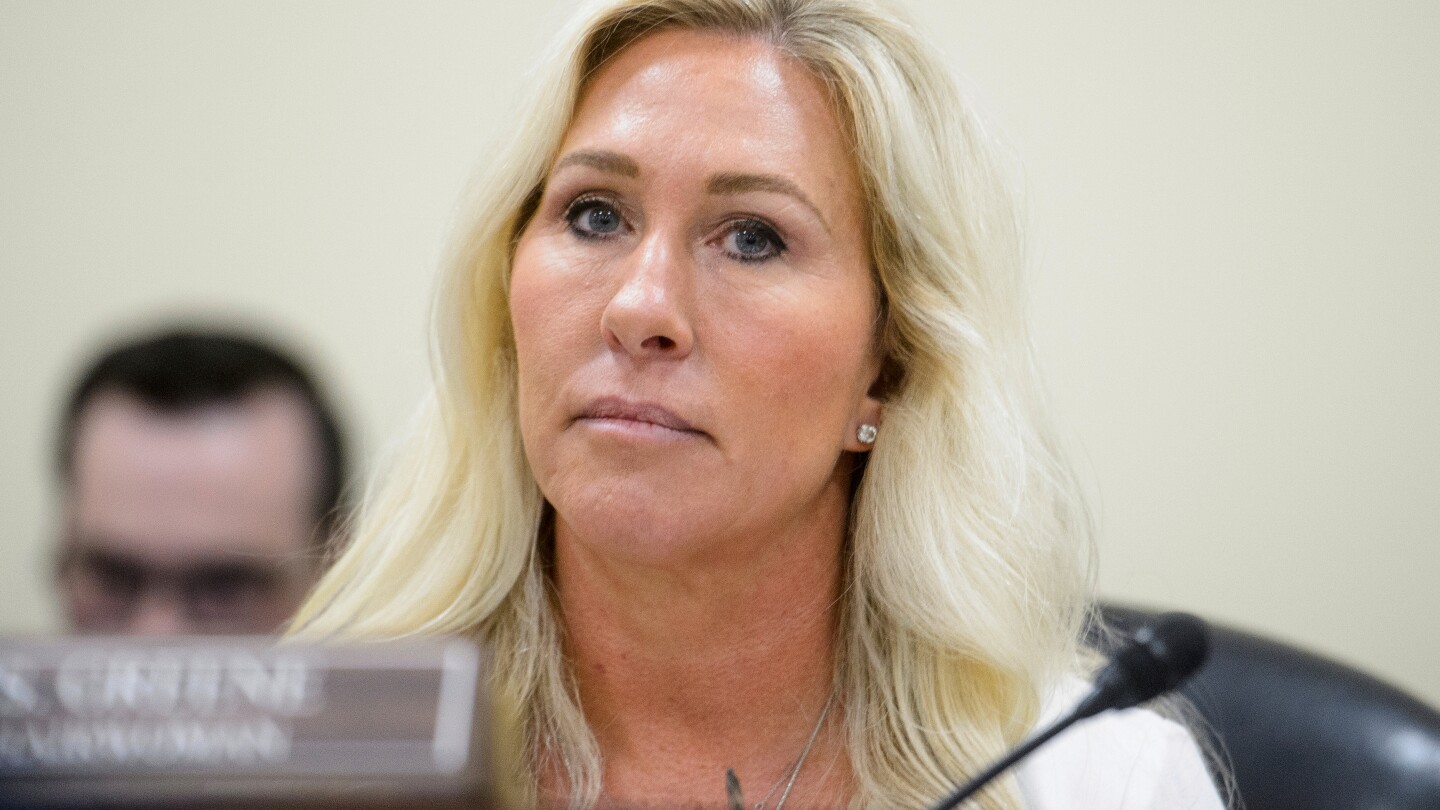
President Donald Trump criticized Georgia Congresswoman Marjorie Taylor Greene on Monday, saying the key Republican ally had “lost her way” after she suggested he was spending too much time on foreign affairs instead of addressing inflation concerns.
“I don’t know what happened to Marjorie, nice woman,” Trump told reporters during an Oval Office session that coincided with his meeting with Syria’s leader and the swearing-in of a new ambassador to India. “She’s lost her way, I think.”
The public disagreement highlights growing tensions within Trump’s coalition following last week’s off-cycle elections, where Democrats made significant gains in New Jersey and Virginia gubernatorial races. Voters in those states appeared to prioritize cost-of-living concerns, presenting a challenge to the administration’s economic narrative.
Greene, typically a staunch Trump supporter in Congress, told NBC News last week that “watching the foreign leaders come to the White House through a revolving door is not helping Americans.” She argued that elevated prices remain a pressing concern that requires presidential attention.
“It’s not reducing the cost of living,” Greene continued. “It’s doing nothing about health insurance premiums. It’s doing nothing to solve the problems that are really plaguing vulnerable segments of our population, especially young people.”
Trump defended his approach to the presidency as necessarily global in scope. “We could have a world that’s on fire, where wars come to our shores very easily, if you had a bad president,” he said, while insisting he “did not devote a lot of my time” to foreign affairs. The president further claimed Greene was “catering to the other side” and expressed surprise at her criticism.
The dispute underscores a central challenge for the White House as it attempts to address economic anxieties that propelled Trump back to office. Consumer frustration with inflation played a significant role in his electoral victory over Democrat Joe Biden, whose popularity suffered when prices hit four-decade highs in June 2022.
While inflation had moderated from those 2022 peaks due to Federal Reserve policies and improved supply chains, economic data shows prices have begun rising again since Trump implemented country-by-country tariffs in April. The Consumer Price Index has increased from an annual rate of 2.3% in April to 3% in September.
Trump’s public comments suggest he’s betting voters will trust his economic messaging over official data. “We now are at a very low point — we’re going to be hitting 1.5% pretty soon,” Trump claimed about inflation rates. “Food prices are way down. It’s all coming down. And the biggest decrease, of course, is energy.”
These assertions don’t fully align with current economic indicators. While gasoline prices have declined from peaks during the Biden administration, AAA reported Monday that the average price at the pump was $3.07 per gallon, representing a decrease of less than two cents compared to the same period last year.
The White House has acknowledged it needs to better communicate its inflation-fighting efforts to the public. Administration officials have been emphasizing economic initiatives designed to lower costs, though the effectiveness of these measures remains a subject of debate among economists.
This public disagreement with Greene, who represents a critical voice within Trump’s base, illustrates the delicate balance the administration must maintain between its foreign policy objectives and addressing domestic economic concerns that continue to resonate with voters across the political spectrum.
As the administration moves forward, its ability to convincingly address inflation while pursuing its broader agenda may determine whether it can maintain support from both its base and the swing voters who proved decisive in recent elections.
Fact Checker
Verify the accuracy of this article using The Disinformation Commission analysis and real-time sources.

10 Comments
This dispute reflects the tensions within the Republican party as they try to chart a path forward. Voters clearly want action on cost-of-living pressures, but Trump may feel compelled to maintain a strong foreign policy focus.
It will be interesting to see how Trump navigates this divide within his base. Appeasing inflation concerns without compromising his foreign policy vision could be a delicate balance.
This public disagreement between Trump and one of his staunchest allies highlights the tough choices facing the GOP. Voters want action on inflation, but the former president may feel his foreign policy legacy is at stake.
It will be intriguing to see how Trump and the party navigate this dilemma. Appeasing inflation concerns without compromising on foreign affairs could be a difficult tightrope to walk.
Interesting to see a rift between Trump and one of his key allies over economic priorities. It highlights the challenge of balancing foreign and domestic policy concerns, especially with inflation weighing on voters’ minds.
Greene raises a fair point about the need for the administration to stay focused on kitchen table issues like inflation. But Trump likely sees foreign affairs as critical to his legacy.
The dispute between Trump and Greene reflects the broader tensions within the Republican party as they grapple with balancing economic and foreign policy priorities. Voters’ cost-of-living concerns can’t be ignored, but Trump may be reluctant to shift focus.
This rift could foreshadow a larger internal debate within the GOP as they prepare for the 2024 election cycle. Striking the right balance will be critical to maintaining party unity and appealing to a broad range of voters.
Curious to see how this rift between Trump and Greene plays out. Both have valid points – the administration needs to address pressing domestic issues like inflation, but can’t neglect important foreign affairs either.
This disagreement underscores the challenges facing the Republican party as they try to unify their message and appeal to different factions of their base. Managing competing priorities will be crucial.