


Listen to the article
President Trump signaled his displeasure with ExxonMobil on Sunday, suggesting he’s inclined to exclude the energy giant from Venezuela operations following skeptical comments from the company’s CEO about investment opportunities in the South American nation.
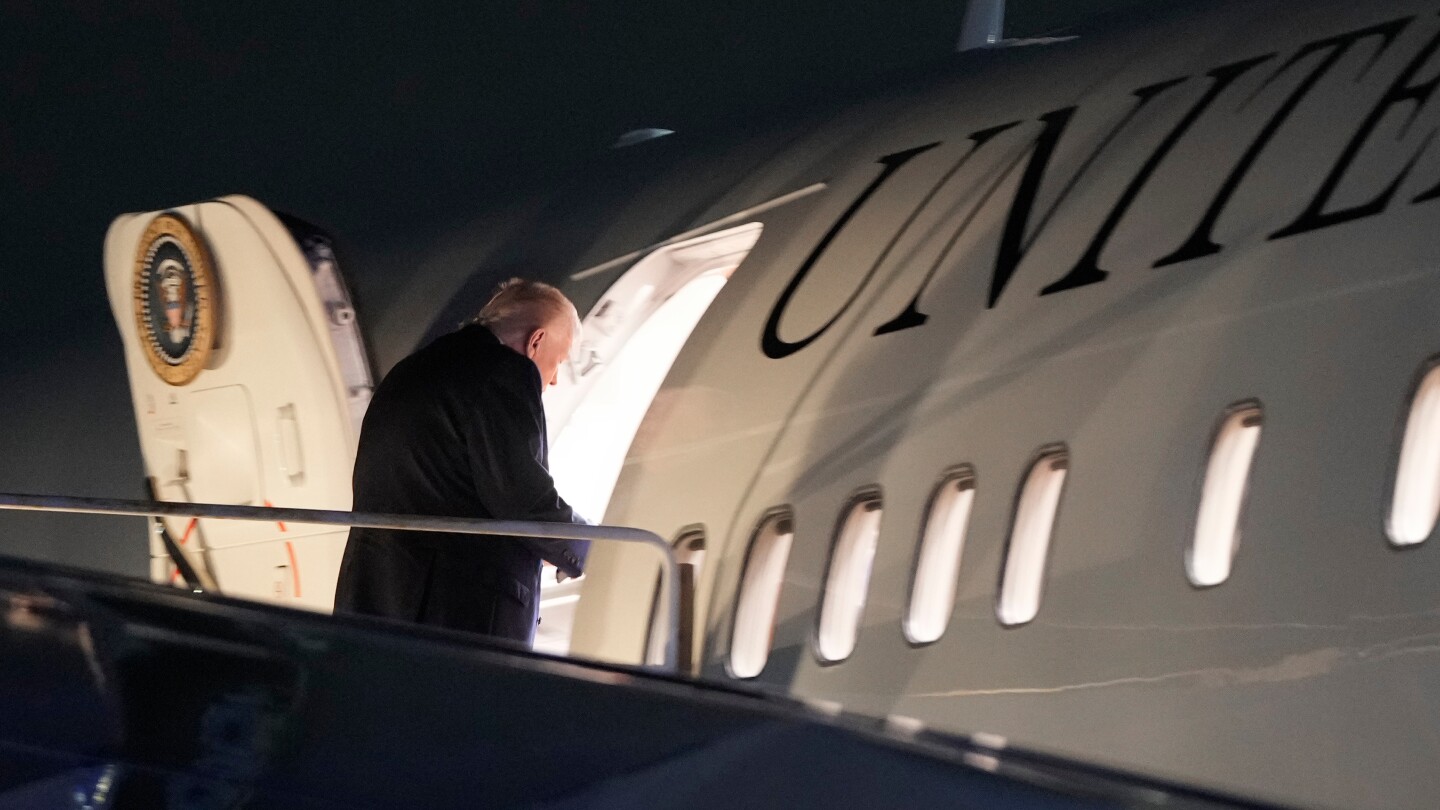
“I didn’t like Exxon’s response,” Trump told reporters aboard Air Force One as he departed West Palm Beach, Florida. “They’re playing too cute.”
The president’s comments came after a Friday meeting with oil industry executives where he attempted to address concerns about potential investments in Venezuela following the recent ousting of former President Nicolás Maduro. During that meeting, Trump assured energy companies they would deal directly with the United States rather than the Venezuelan government.
Despite these assurances, ExxonMobil CEO Darren Woods expressed significant reservations about the commercial viability of entering the Venezuelan market.
“If we look at the commercial constructs and frameworks in place today in Venezuela, today it’s uninvestable,” Woods stated, signaling the company’s reluctance to commit resources to the politically volatile region. ExxonMobil, the largest U.S. oil company, did not immediately respond to requests for comment regarding the president’s latest remarks.
The administration’s efforts to rebuild Venezuela’s oil sector represent a key component of its strategy following Maduro’s removal from power. Venezuela possesses the world’s largest proven oil reserves, but years of mismanagement, corruption, and underinvestment have severely damaged its production capacity.
On Friday, President Trump signed an executive order designed to protect Venezuelan oil revenue from being seized in judicial proceedings. The order, made public Saturday, states that such seizures could “undermine critical U.S. efforts to ensure economic and political stability in Venezuela.” This protection acknowledges the significant barriers to investment, including Venezuela’s history of state asset seizures, ongoing U.S. sanctions, and decades of political uncertainty.
The White House has taken an unprecedented approach to Venezuelan oil, framing its involvement in predominantly economic terms. The administration has seized tankers carrying Venezuelan crude and claims to be taking control of sales for 30 million to 50 million barrels of previously sanctioned oil. According to statements from the president, the U.S. plans to indefinitely control worldwide sales of Venezuelan crude oil.
Oil industry analysts note that revitalizing Venezuela’s energy sector would require billions in investment and years of work. The country’s infrastructure has deteriorated significantly under Maduro’s rule, with production falling from over 3 million barrels per day in the 1990s to under 800,000 barrels in recent years.
ExxonMobil’s hesitance highlights the broader challenges facing any potential return to Venezuela. The company has a complicated history in the country, having had assets expropriated under former President Hugo Chávez. Other major oil companies have similarly withdrawn from Venezuela over the past two decades as political risk increased and operational conditions deteriorated.
For the Trump administration, securing American oil company participation remains crucial to its vision for Venezuela’s economic recovery. However, without buy-in from major players like ExxonMobil, rebuilding the country’s oil industry will face significant hurdles.
The situation underscores the complex interplay between geopolitical ambitions and commercial realities in one of the world’s most resource-rich yet politically troubled nations.
Fact Checker
Verify the accuracy of this article using The Disinformation Commission analysis and real-time sources.

11 Comments
The Trump administration is flexing its muscles, but ExxonMobil’s caution is understandable. Venezuela’s volatile situation poses major challenges for any energy company.
It’s an interesting power struggle. Trump wants to dictate terms in Venezuela, but Exxon’s CEO seems unwilling to take on the substantial commercial risks involved.
I’m curious to see how this plays out. Trump seems determined to exclude ExxonMobil, but the company may have valid commercial concerns about operating in Venezuela.
This reflects the ongoing struggle for influence over Venezuela’s oil wealth. Trump wants to ensure US control, while Exxon prioritizes shareholder returns over geopolitics.
Absolutely, it’s a high-stakes game of brinkmanship. The future of Venezuela’s oil industry hangs in the balance.
Exxon’s CEO is clearly worried about the financial and reputational risks of getting entangled in Venezuela’s turmoil. Trump’s threats may backfire if they scare off major investors.
Interesting move by Trump. ExxonMobil seems wary of the political and economic risks in Venezuela. Prudent to focus on stable, secure investments for shareholders.
ExxonMobil’s CEO is right to be cautious. Venezuela’s economy and politics are in chaos – it’s an unstable environment for major energy investments right now.
This dispute highlights the complex geopolitics of global energy markets. Trump wants to exert US control, while Exxon is focused on protecting shareholder value.
Trump’s tough stance on ExxonMobil suggests he wants to maintain tight control over Venezuela’s oil resources. It’s a high-stakes geopolitical game with significant economic implications.
Yes, the Venezuela situation is extremely complex. Trump is trying to balance US interests with the volatile political dynamics there.