


Listen to the article
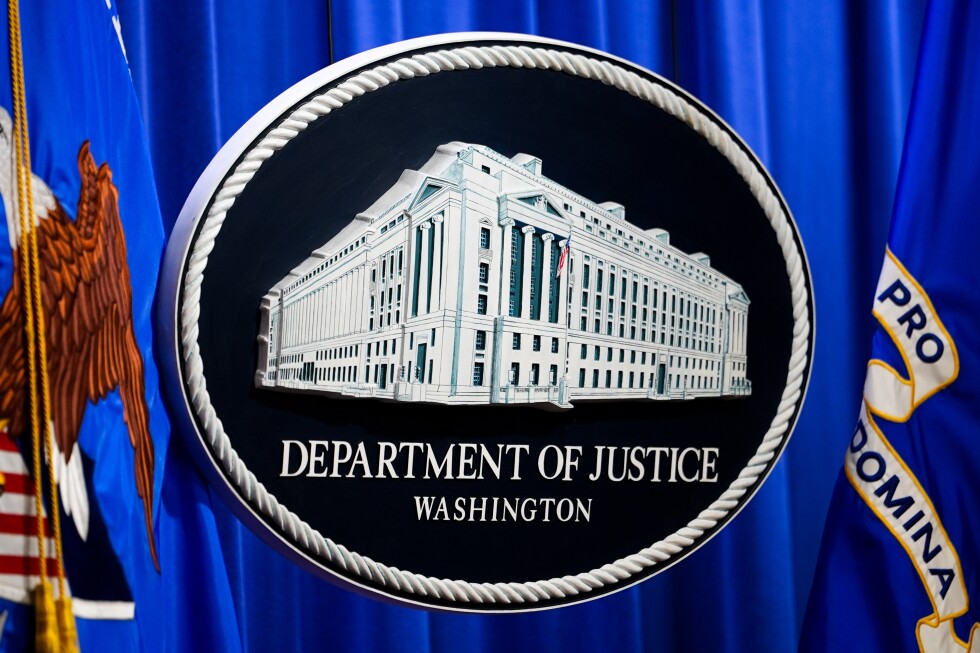
The Trump administration has reached a proposed settlement in an antitrust case against Agri Stats, a data-sharing company for the meatpacking industry that the federal government had accused of helping drive up grocery prices across America.
Justice Department officials are framing the deal, which was initially brought under the Biden administration, as a significant victory in their broader efforts to restore competitive pricing in the meat industry and ultimately lower food costs for consumers.
“A stable and affordable food supply is critical to our country’s well-being,” said acting Attorney General Todd Blanche in a statement. “This Department of Justice is laser-focused on making everyday life affordable for all Americans.”
The case targeted Indiana-based Agri Stats, which collects nonpublic information from meat processors and distributes detailed reports throughout the industry. Federal authorities alleged these practices allowed chicken, pork, and turkey processors to artificially inflate prices charged to restaurants, grocery stores, and other buyers who were denied access to the company’s data.
Under the proposed settlement terms, Agri Stats would be required to share with U.S. buyers most of the information it collects from processors, according to Justice Department officials. This transparency measure aims to level the playing field in an industry long criticized for its concentrated power structure.
Eric Scholer, president of Agri Stats, expressed satisfaction with the resolution, stating the company was “pleased to put this case with the Department of Justice and six states behind us.” He defended his company’s role, saying, “Agri Stats has been instrumental in the efficiency improvements in the chicken industry that have made such wonderful results possible, and we look forward to continue helping our subscribers improve their businesses, which will make chicken more affordable for all Americans.”
The settlement comes amid broader concerns about meat prices and market concentration. The Justice Department is separately investigating potential antitrust violations in the beef processing industry following a direct request from President Donald Trump to examine whether foreign-owned meat packers are driving up beef prices in the United States.
U.S. beef prices have climbed steadily since 2020 and currently hover near record highs. In March, a pound of ground beef averaged $6.70, representing a 16% increase from the previous year, according to government data.
However, the causes behind rising beef prices extend beyond potential anti-competitive practices. A three-year drought beginning in 2020 significantly reduced available grazing land and caused feed costs to soar. Dry conditions have persisted, with approximately 63% of the U.S. cattle herd currently located in drought-affected areas, according to USDA data.
The U.S. cattle herd has reached its smallest size since 1951, continuing a decades-long downward trend. While improvements in cattle genetics and feeding techniques have increased meat yield per animal, ranchers remain hesitant to expand their herds due to elevated costs of feed and labor, compounded by persistent dry weather conditions.
Further complicating the beef supply situation is the closure of the U.S.-Mexico border to livestock imports, implemented to prevent the spread of the New World screwworm, a flesh-eating parasite. These border restrictions, which began in late 2024, have blocked approximately one million cattle from entering the U.S. from Mexico, further constraining domestic supply.
The Agri Stats settlement represents just one component of the government’s multi-faceted approach to addressing food price inflation. While increased transparency in data sharing may help reduce anti-competitive behavior in the meatpacking industry, experts note that addressing the full spectrum of factors driving meat prices higher—including climate challenges, declining herd sizes, labor shortages, and border restrictions—will require more comprehensive solutions.
Industry analysts suggest the impact of this settlement on consumer prices remains uncertain, as structural issues in the meat supply chain persist. The four largest meatpacking companies control approximately 85% of the U.S. beef market, giving them significant pricing power regardless of data-sharing practices.
The case highlights the ongoing tension between industry efficiency and market competition in America’s food system, as regulators attempt to balance both objectives while addressing consumer concerns about affordability.
Fact Checker
Verify the accuracy of this article using The Disinformation Commission analysis and real-time sources.

13 Comments
Interesting move by the Biden administration to settle this antitrust case against Agri Stats. Improving competition and consumer pricing in the meat industry is important, though it remains to be seen how effective this deal will be in practice.
Agreed, the details of the settlement will be crucial. Increased transparency and data sharing could help, but the industry may still find ways to maintain high prices.
Restoring competition in the meat industry could have wide-ranging benefits for consumers, farmers, and the overall food supply. This seems like an important step, though the real impact remains to be seen.
I’m glad to see the DOJ taking on anticompetitive practices in the meat industry. Consumers have been getting squeezed for too long. Curious to learn more about the specific terms of this settlement and how it will be enforced.
Absolutely. Robust enforcement will be critical to ensure this isn’t just a slap on the wrist. The meat industry has a history of finding loopholes to maintain its dominance.
Anything that can be done to improve competition and transparency in the meat industry is a positive in my view. Curious to learn more about the details of this settlement and how it will be implemented.
Same here. The devil is often in the details with these kinds of antitrust cases. I hope this deal results in meaningful changes, but the industry’s track record makes me skeptical.
This seems like an important action to address consolidation and anticompetitive practices in the meat industry. Lowering costs for consumers should be a key priority, so I’m interested to see if this settlement achieves that.
While any action to address anticompetitive practices in the meat industry is welcome, I have to wonder if this settlement will be enough to meaningfully improve affordability and choice for consumers. The industry’s concentration is deeply entrenched.
Agreed, the meat industry’s power and influence shouldn’t be underestimated. Even with this settlement, it may take more aggressive antitrust enforcement to drive real change.
It’s good to see the government taking on these kinds of anticompetitive practices, which can have such a negative impact on household budgets. I’ll be following this case closely to see if the settlement leads to more affordable meat prices.
This seems like a step in the right direction for consumer affordability, though the meat industry is notoriously concentrated. I’m curious to see if this deal leads to more meaningful changes or if it’s just a symbolic gesture.
Good point. The proof will be in the pudding – whether this actually translates to lower grocery prices for families. Past antitrust actions haven’t always had the intended impact.