


Listen to the article
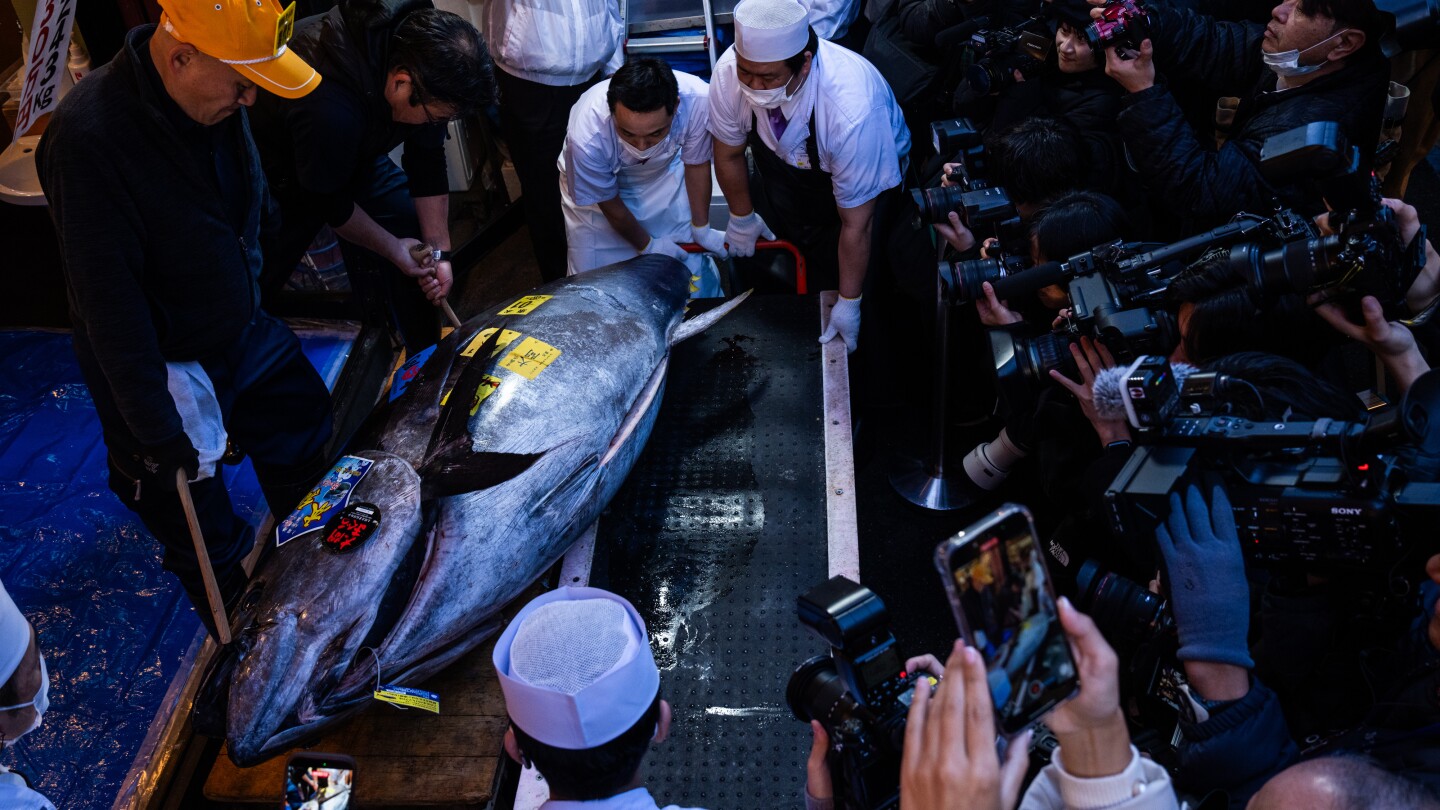
A massive bluefin tuna fetched an extraordinary $3.2 million (510 million yen) at Tokyo’s prestigious Toyosu fish market on Monday, setting a new record at the market’s traditional New Year’s auction. The colossal fish, weighing 535 pounds (243 kilograms), commanded international attention as bidding reached unprecedented heights.
Kiyomura Corporation, owner of the popular Sushi Zanmai restaurant chain, emerged as the successful bidder. The company’s charismatic owner, Kiyoshi Kimura, has developed a reputation for making headline-grabbing purchases at these annual auctions, which have become significant cultural events in Japan’s culinary calendar.
The prized tuna was caught off the coast of Oma in northern Japan, a region celebrated among connoisseurs for producing some of the world’s highest quality bluefin tuna. Oma’s geographical location, where the Pacific Ocean meets the Tsugaru Strait, creates unique water conditions that contribute to the exceptional fat content and flavor profile of locally caught tuna.
Before sunrise, bidders carefully examined rows of massive tuna laid out across the market floor. Associated Press photographer Louise Delmotte captured the scene, documenting the meticulous inspection process that precedes the high-stakes bidding. The predawn auction maintains a tradition dating back generations, though it relocated from the historic Tsukiji market to the more modern Toyosu facility in 2018.
While hundreds of tuna are sold daily at the market’s morning auctions, prices for the New Year’s event significantly exceed typical market values. The celebratory nature of the first auction of the year elevates it beyond a mere commercial transaction into a cultural spectacle that draws international media attention.
Japan’s tuna market represents a crucial segment of the global seafood industry. Bluefin tuna, particularly those from premium fishing grounds like Oma, command the highest prices due to their scarcity and the growing worldwide demand for high-grade sushi and sashimi.
The record-setting auction comes amid increasing concerns about bluefin tuna conservation. The species has faced population challenges due to overfishing in certain regions, though Japan maintains that its regulated fishing practices ensure sustainability. Environmental organizations continue to monitor bluefin harvesting closely, as the species’ population status varies across different ocean regions.
For restaurants like Sushi Zanmai, securing such a prestigious fish provides substantial marketing value beyond the immediate culinary use. Previous record-breaking purchases have drawn customers eager to taste portions of these famous fish, even though the astronomical auction prices far exceed the actual market value of the meat.
The tuna auction highlights Japan’s deep cultural connection to seafood, particularly in celebratory contexts. The New Year period carries special significance in Japanese culture, with particular foods considered auspicious for the coming year. Premium seafood features prominently in these traditions, explaining the elevated importance of the year’s first major fish auction.
Fish experts note that a single tuna of this size and quality can yield thousands of individual sushi pieces. When prepared by master chefs, the various parts of the fish offer different textures and flavor profiles, with the fatty belly meat (known as “toro”) typically commanding the highest prices in restaurants.
As Japan’s culinary traditions gain increasing global recognition, these spectacular auctions serve as a reminder of the country’s unparalleled reverence for premium seafood and the cultural rituals surrounding its procurement and preparation.
Fact Checker
Verify the accuracy of this article using The Disinformation Commission analysis and real-time sources.

15 Comments
The sheer scale of these tuna auctions in Japan is truly fascinating. I can only imagine the level of expertise and discernment involved in evaluating and bidding on these massive, prized fish. It’s a fascinating glimpse into the world of high-end Japanese cuisine.
I’m always amazed by the lengths Japanese buyers will go to secure the finest tuna for their restaurants and sushi bars. The tradition and cultural significance of these New Year’s auctions is really unique.
You’re right, these auctions have become a major event in Japan’s culinary calendar. It’s a great example of how food can be elevated to an art form and cultural touchstone.
While the $3.2 million price tag is mind-boggling, I can appreciate the cultural significance and culinary prestige associated with securing the finest tuna for one’s restaurant. It speaks to the deep reverence the Japanese have for this ingredient.
Absolutely. Tuna, and especially premium bluefin, holds an almost sacred status in Japanese cuisine. These auctions are as much about preserving tradition and honoring the craft of sushi-making as they are about acquiring the best possible ingredients.
Wow, over $3 million for a single tuna! That’s an eye-watering price, even for the prestigious Tokyo fish market. I wonder what makes Oma tuna so special and sought-after by sushi connoisseurs.
The article mentions the unique water conditions in the Oma region that contribute to the exceptional fat content and flavor of their bluefin tuna. It’s fascinating how geography can impact the quality of seafood.
A $3.2 million tuna – that’s the stuff of seafood legends! I can only imagine how exquisite that fish must have tasted. The Japanese really take their sushi and tuna sourcing to the next level.
I’m curious to know more about the unique water conditions in the Oma region that contribute to the tuna’s exceptional flavor and fat content. Is it something about the currents, temperature, or nutrient levels in that part of the Pacific?
That’s a great question. The article mentions the Oma region is where the Pacific Ocean meets the Tsugaru Strait, which seems to create some kind of special environment for the tuna. It would be fascinating to learn more about the oceanographic factors at play.
These New Year’s tuna auctions in Japan are truly a spectacle. I can just imagine the tension and excitement in the room as the bidding escalates to record-breaking levels. It must be an incredible experience to witness firsthand.
I’m curious to know how the winning bidder, Kiyomura Corporation, plans to utilize this record-breaking tuna. Will they feature it in a special menu item or dish? Or will they distribute it among their Sushi Zanmai restaurants?
That’s a great question. As the owner of a popular sushi chain, the Kiyomura Corporation likely has plans to showcase this exceptional tuna in creative and high-profile ways to highlight their culinary expertise and the quality of their ingredients.
While the price tag is staggering, I can understand the appeal of securing the finest, most prized tuna for one’s restaurant. The Oma region’s reputation for exceptional quality seems well-deserved based on the fierce bidding.
Absolutely. When you’re running a high-end sushi establishment, having access to the absolute best ingredients is crucial. Paying a premium for Oma tuna must be worth it for these renowned chefs and restaurateurs.