


Listen to the article
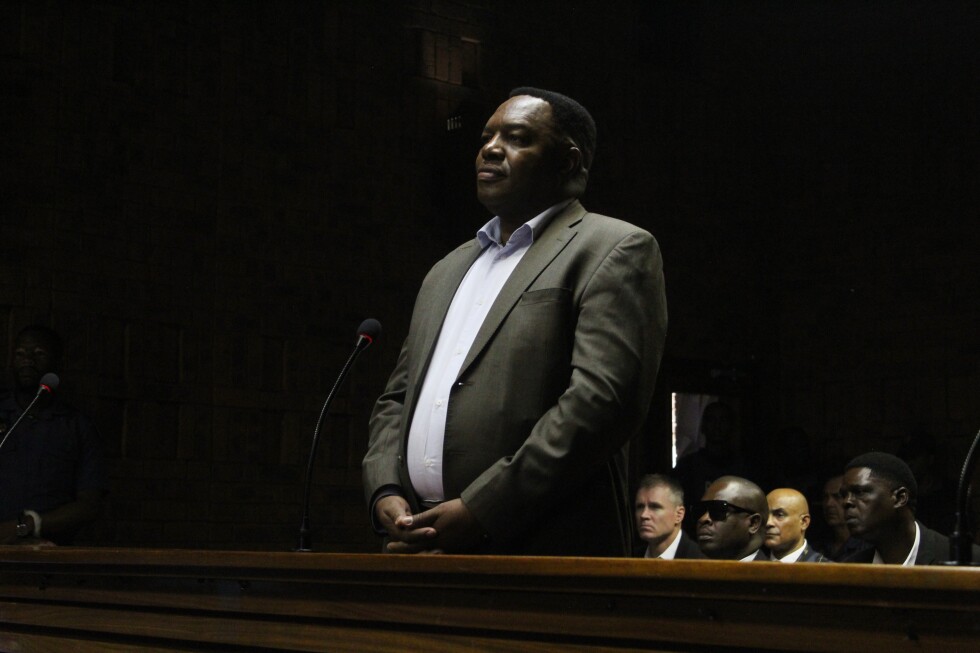
South Africa’s top police commissioner, Fannie Masemola, appeared in court Tuesday to face corruption charges related to a controversial 360 million-rand ($21 million) contract for police health and wellness services. The case marks a significant development in a widening corruption scandal that has already ensnared a dozen other senior police officials.
Masemola faces four counts of violating the Public Finance Management Act, which regulates government contracting procedures. While specific details of the charges remain limited pending further investigation, prosecutors indicated they stem from his role as the accounting officer for the South African Police Service. If convicted, Masemola could face up to five years in prison or a substantial fine.
The police chief has not yet entered a plea and continues to serve in his position despite the charges. When questioned by reporters after his court appearance, Masemola deflected calls for his resignation, stating that such a decision would ultimately rest with President Cyril Ramaphosa.
The President’s office acknowledged the charges but has only indicated that Ramaphosa will address the matter “in accordance with the law,” stopping short of demanding Masemola’s immediate removal.
The scandal centers on allegations that the multimillion-dollar contract was irregularly awarded, with several high-ranking police officers allegedly receiving bribes from winning bidders. The contract has since been canceled by the police service.
Prosecutors announced that Masemola’s case would be joined with those of 16 other accused individuals, including 12 police officers. Among those charged are officers holding prestigious ranks such as major-general and brigadier, representing some of the highest positions in the South African police hierarchy. All have been released on bail.
A central figure in the scandal is businessman Vusi “Cat” Matlala, whose company is allegedly at the heart of the controversial contract. Matlala has been described by authorities as having links to organized crime networks and has testified about alleged connections between senior police officials and crime bosses. He is currently being held in a maximum-security prison on separate attempted murder charges.
The corruption allegations have prompted a comprehensive investigation by a commission of inquiry appointed by President Ramaphosa last year. The commission was established specifically to examine widespread corruption allegations within the police service. Separately, South African lawmakers have launched their own parliamentary probe into the matter.
The case highlights the persistent challenges South Africa faces in combating corruption within its public institutions. The police service, which should stand as a bulwark against crime and corruption, finds itself mired in allegations that reach to its highest levels. This scandal comes at a particularly challenging time for South Africa, as the country continues to struggle with high crime rates and public distrust of law enforcement institutions.
Anti-corruption advocates have pointed to this case as evidence of the need for stronger oversight mechanisms and greater transparency in government contracting, particularly within the security sector.
The court has postponed further proceedings until May 13, when more details of the case against Masemola and his co-accused are expected to emerge. As the investigation continues, questions remain about the full extent of the corruption network and its impact on South Africa’s law enforcement capabilities.
Fact Checker
Verify the accuracy of this article using The Disinformation Commission analysis and real-time sources.

14 Comments
This case raises important questions about oversight and accountability within the South African police force. Robust internal controls and external auditing should be priorities.
Agreed. Strengthening institutional safeguards against corruption will be essential for rebuilding public trust in the police and government.
It’s concerning to see the police chief still serving in his position despite these serious corruption charges. I hope the President will take decisive action to uphold the rule of law.
That’s a good point. Allowing the police chief to remain in office during the investigation could undermine public confidence. Prompt action may be needed.
This seems like a significant corruption scandal involving the highest levels of South Africa’s police leadership. It will be interesting to see how this plays out and if any senior officials are held accountable.
Absolutely, these kinds of high-level corruption cases often face political pressure and obstacles to a full investigation. Transparency and due process will be crucial.
It’s encouraging to see the prosecutors taking action on this high-profile case of alleged corruption. However, the true test will be whether they can see it through to a successful conclusion.
That’s a fair point. Corruption cases often face political interference and obstruction, so maintaining the independence and determination of the investigation will be crucial.
The alleged $21 million in unlawful contracts is a staggering amount. I hope the prosecutors can uncover the full extent of the misuse of public funds and bring those responsible to justice.
Agreed. This level of alleged corruption undermines public trust in the police and government. A thorough and impartial investigation is essential.
The use of unlawful contracts worth millions is a clear abuse of power. I hope the prosecutors can build a strong case and ensure the perpetrators face appropriate consequences.
Yes, the public deserves to know the full details of how these funds were misused and who else may have been involved. Transparency is key.
This case highlights the ongoing challenges South Africa faces with rooting out graft and mismanagement in the public sector. Restoring integrity in the police force will be crucial.
Absolutely. Tackling corruption at the highest levels is essential for building a more transparent and accountable government that serves the people.