


Listen to the article
South Dakota Tribal Nations Embrace Tourism as Path to Economic Development
Members of South Dakota’s tribal nations are gradually opening their communities to visitors as they recognize tourism’s potential for economic growth. The South Dakota Native Tourism Alliance (SDNTA) is spearheading efforts to reshape perceptions of tourism across the state’s nine reservations.
“When we first entered these spaces, they didn’t want to know about tourism. They already had this idea that we were selling our culture,” said Sarah Kills In Water of SDNTA. “But once we did that education work, their little light bulb started to click on and you could see them starting to dream and think, ‘What can I do?'”
Tourism has historically been viewed with skepticism in these communities, where concerns about cultural exploitation run deep, especially in regions that rank among the nation’s poorest. However, attitudes are shifting as community members recognize opportunities for authentic cultural exchange and economic benefits.
The SDNTA’s work recently gained significant recognition with a $175,000 J.M. Kaplan Innovation Prize, selected from over 3,500 applicants. This funding will provide resources, training, and support to expand their initiatives.
Rhea Waldman, SDNTA’s executive director, envisions tribal reservations becoming essential destinations for South Dakota visitors, comparable to attractions like Mount Rushmore and Badlands National Park.
“Tourism is, just in South Dakota, a big thing. What we’re trying to do is highlight the gems that stand on every single reservation, and they’re very different. Every reservation has their own cultural pieces, their own stories, they have their own museums,” Waldman explained.
Nationwide, tourism on tribal lands has seen steady growth. The Navajo (Diné) nation attracts visitors to natural landmarks like Monument Valley and Antelope Canyon, though challenges like the COVID-19 pandemic have affected some operations.
Many of the proposed tourism activities focus on outdoor experiences that connect visitors to the land Indigenous people have inhabited for millennia. Kills In Water noted, “There’s a lot of ideas surrounding outdoor recreation on the Rosebud reservation. Our people want to take people out on hiking trips and look at our medicines and teach them about the flora and fauna.”
Beyond economic benefits, tourism initiatives offer tribal members opportunities to reconnect with their own cultural heritage. “I see this as the main opportunity to reconnect our people to our culture,” Kills In Water said. “Through learning about our culture and reconnecting, they’re going to find ways that they can educate visitors about who we are today—not in a way that’s exploiting our culture or selling our ceremonies, but educating visitors about who we are today, about all we’ve been through, and that we’re still here.”
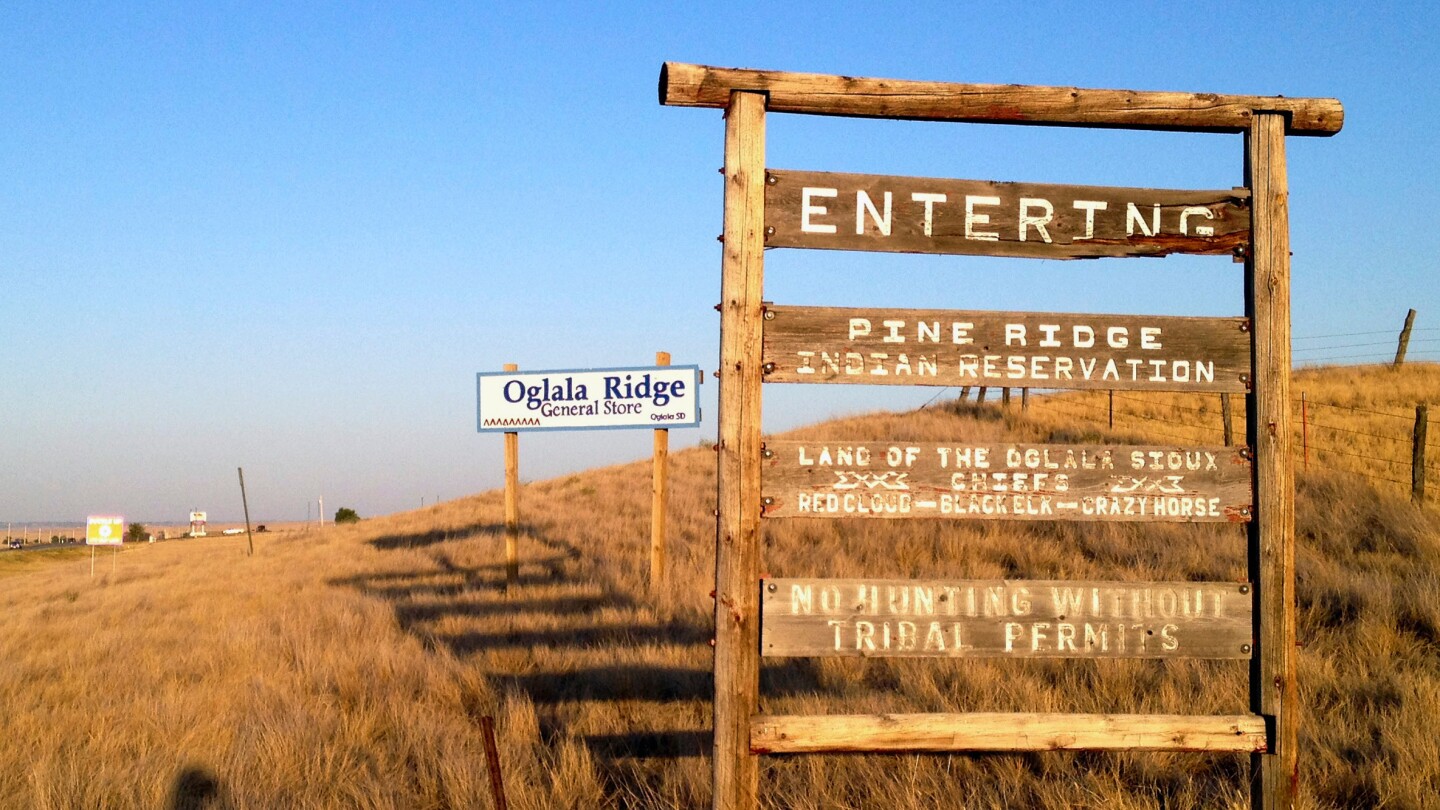
Significant historical sites like the Wounded Knee Memorial on the Pine Ridge Indian Reservation—land recently protected through legislation signed by former President Donald Trump—offer profound educational opportunities for visitors seeking deeper understanding of American history.
Sherry L. Rupert, CEO of the American Indigenous Tourism Association, emphasized the transformative potential of these experiences: “Oftentimes people don’t know it, but that’s really what they’re looking for—being outside and learning about people that have been here for thousands of years. It changes their perspective of the world.”
Despite the opportunities, tribal tourism faces substantial challenges. South Dakota’s reservations comprise more than 12% of the state’s land, but their remote locations present logistical difficulties. Infrastructure limitations—from lodging to dining options—can complicate tourist experiences.
The economic equation also presents a chicken-and-egg dilemma. “If you have a community that really wants to build tourism and you have artisans and artists trying to build their business,” Waldman explained, “you also need an influx of tourists and their dollars to support those business owners.”
Finding the right balance between cultural sharing and protection remains delicate. Comfort levels with tourist engagement vary widely among tribal members, requiring customized approaches for each community.
Progress is occurring through strategic partnerships. In 2022, Trafalgar launched a “National Parks and Native Trails of the Dakotas” tour with stops at the Pine Ridge, Rosebud, and Standing Rock reservations, increasing visibility to potential visitors.
Federal support has proven crucial. In 2016, South Dakota Senator John Thune co-sponsored the bipartisan NATIVE Act (Native American Tourism and Improving Visitor Experience Act), which ensures tribal representation in federal tourism agencies, supports infrastructure development, and mandates data collection on tribal tourism.
“South Dakota is rich in the culture and traditions of the Lakota, Dakota, and Nakota nations,” Thune said after the legislation passed. “We should do all we can to help celebrate and recognize the numerous and oftentimes invaluable contributions our tribal communities provide to our state.”
Collaboration with state tourism agencies provides vital exposure. Waldman acknowledged that working with South Dakota’s tourism office has helped SDNTA understand visitor expectations and leverage marketing resources.
While South Dakota is known for attractions connected to Native culture—particularly in the Black Hills, traditional sacred lands of the Lakota—SDNTA hopes visitors will increasingly experience tribal communities firsthand.
“What we hope to create are these powerful connections between our guests and who we are,” Kills In Water said. “We want them to see us for who we are, not for what they think we are or what they’ve been told. We want to share, authentically, our story with every person who comes with an interest to learn.”
Fact Checker
Verify the accuracy of this article using The Disinformation Commission analysis and real-time sources.

8 Comments
Tourism can be a double-edged sword, but the South Dakota tribes seem to be taking a measured approach, prioritizing authentic cultural exchange over exploitation. That’s promising.
Diversifying economic opportunities is crucial for many tribal communities. Careful, culturally-sensitive tourism development could provide much-needed revenue while preserving traditions.
The SDNTA’s work to educate and empower tribal members is an important first step in this process.
It’s heartening to see tribal nations in South Dakota open up to tourism, but understandable that concerns about cultural exploitation remain. Thoughtful, community-led approaches are key to realizing the benefits.
Embracing tourism as an economic engine is a delicate balance for tribal communities. It’s good to see efforts to promote authentic cultural exchange while addressing concerns about exploitation.
The recognition and funding from the J.M. Kaplan Innovation Prize is an encouraging sign that these initiatives are gaining traction and support.
Tourism can be a double-edged sword for indigenous communities. I’m glad to see the South Dakota Native Tourism Alliance working to reshape perceptions and create opportunities that preserve cultural integrity.
The $175,000 grant is a significant boost that should help further these efforts to responsibly develop tourism as a path to economic development.