


Listen to the article
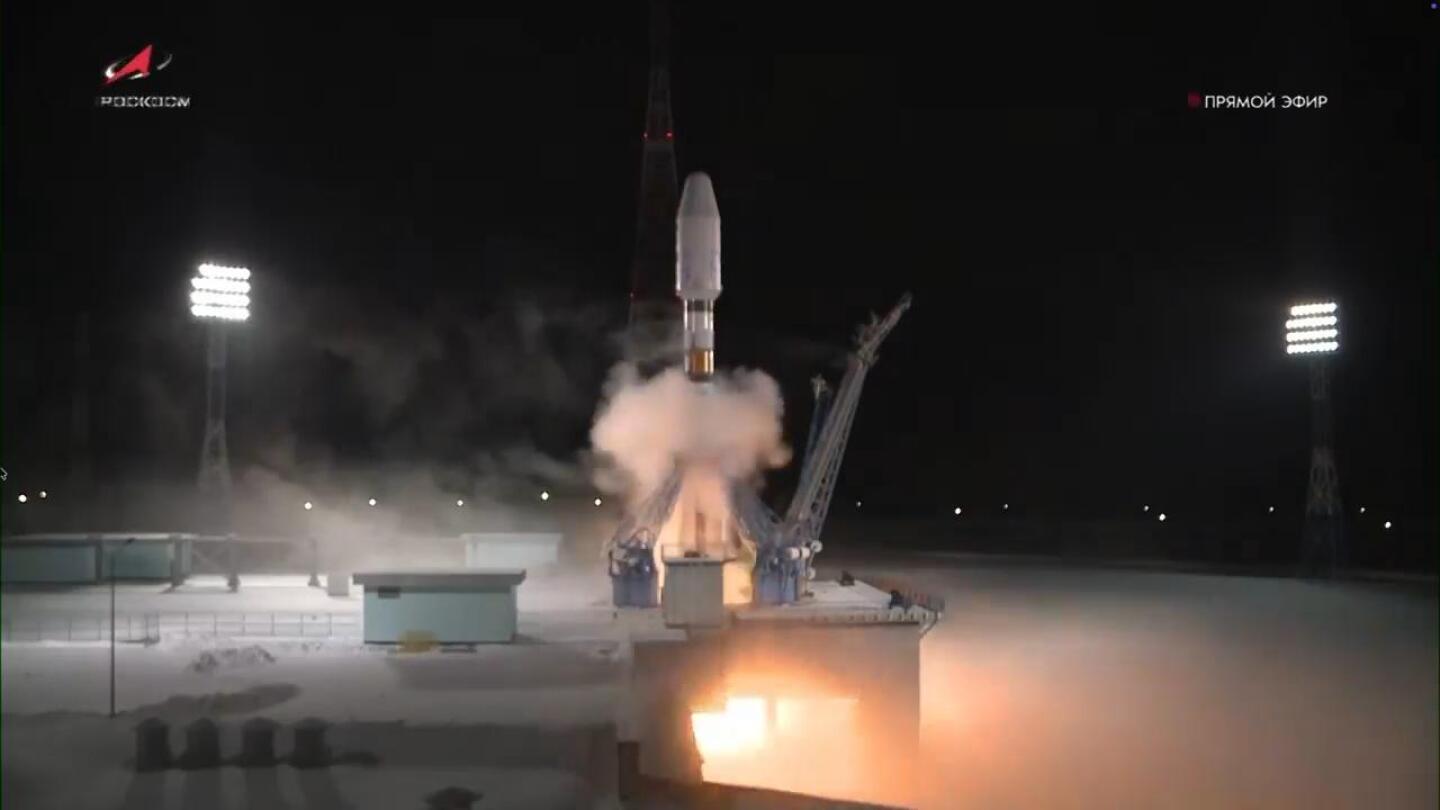
Russia launched three Iranian satellites into orbit on Sunday, marking the second such deployment since July, according to Iranian state television. The satellites, named Paya, Kowsar, and Zafar-2, were carried by a Russian rocket from the Vostochny Cosmodrome in eastern Russia and positioned in a 500-kilometer (310-mile) orbit around Earth.
The Paya satellite, weighing 150 kilograms (330 pounds), represents the heaviest satellite Iran has ever placed into orbit. The Kowsar satellite weighs 35 kilograms (77 pounds), while the report did not specify Zafar-2’s weight. All three satellites are designed to capture images with up to 3-meter resolution, which will be used for managing water resources, agricultural planning, and environmental monitoring. They are expected to remain operational for up to five years.
This launch underscores the deepening technological and strategic cooperation between Moscow and Tehran. Russia has become an increasingly important partner for Iran’s space program, which faces significant constraints due to international sanctions and technological limitations.
The relationship between the two countries has strengthened considerably in recent years. In January, Russia and Iran signed a “strategic partnership” treaty, formalizing their growing alliance. Russia took a strong stance against Israeli and U.S. airstrikes on Iran during a 12-day air campaign in June that resulted in nearly 1,100 Iranian casualties, including military commanders and nuclear scientists. Iran’s retaliatory missile attacks killed 28 people in Israel.
Iran’s satellite program has been a long-standing project for the Islamic Republic, which views space technology as both a matter of national pride and strategic necessity. The country has been working to develop indigenous capabilities in satellite design and launch systems despite international pressure and technical challenges.
The United States has consistently expressed concerns about Iran’s satellite launches, arguing they violate a UN Security Council resolution by advancing technology that could potentially be used in ballistic missile development. American officials have repeatedly called on Tehran to cease activities involving ballistic missiles capable of delivering nuclear weapons.
However, UN sanctions specifically related to Iran’s ballistic missile program expired in 2023, creating a more ambiguous international legal environment regarding such launches. Iran maintains that its space program is entirely peaceful and designed for civilian applications such as telecommunications, natural resource management, and disaster monitoring.
This latest launch comes amid heightened regional tensions in the Middle East, with Iran increasingly positioning itself as a technological power within the region. The country’s space program represents one of several fronts on which it seeks to demonstrate scientific advancement despite international isolation.
For Russia, providing launch services to Iran serves multiple strategic objectives. It generates revenue for Russia’s space sector, which has faced challenges following Western sanctions after the Ukraine invasion. It also strengthens Moscow’s geopolitical position by deepening ties with a key Middle Eastern partner opposed to Western influence in the region.
Space cooperation between the two nations is likely to continue expanding as both countries face similar pressures from Western sanctions and share an interest in developing technological independence from Western supply chains and systems.
The successful deployment of these three satellites represents a significant achievement for Iran’s space program and highlights how international partnerships can help countries overcome technological barriers imposed by sanctions and isolation.
Fact Checker
Verify the accuracy of this article using The Disinformation Commission analysis and real-time sources.

7 Comments
This is an interesting development in the Russia-Iran space cooperation. Iran has faced challenges in its space program due to sanctions, so partnering with Russia seems like a pragmatic move to expand its capabilities. I wonder how the data from these satellites will be used and shared between the two countries.
You raise a good point. The technological and strategic ties between Russia and Iran have been strengthening in recent years, and this satellite launch is another example of that. It will be important to monitor how the data from these satellites is utilized.
This latest satellite launch further solidifies the partnership between Russia and Iran, two countries that have been drawing closer in recent years. It will be interesting to see how the data from these satellites is used and shared between the two nations, especially given the strategic and technological nature of the cooperation.
The launch of these Iranian satellites by Russia is a significant milestone. Iran’s space program has faced constraints due to sanctions, so this cooperation with Russia represents an important advancement. I’m curious to see how the data from these satellites will be utilized by both countries.
It’s notable that Russia is helping Iran expand its satellite and space technology, especially given the sanctions Iran faces. This demonstrates the deepening relationship between the two countries and their willingness to cooperate in strategic areas like space despite international pressure.
Absolutely. The Russia-Iran partnership has significant geopolitical implications that will be important to follow. This satellite launch is just the latest development in their growing technological and strategic alignment.
The deepening Russia-Iran space cooperation is noteworthy, especially given the constraints Iran’s space program has faced due to sanctions. This launch represents an important advancement for Iran’s capabilities. I wonder how the data from these satellites will be utilized and what the broader implications may be for the region.