


Listen to the article
Fatigue Crack Led to Keystone Pipeline Oil Spill in North Dakota, Operator Reports
BISMARCK, N.D. — A fatigue crack that developed along a manufactured weld seam caused the Keystone Pipeline oil spill in North Dakota earlier this year, according to pipeline operator South Bow.
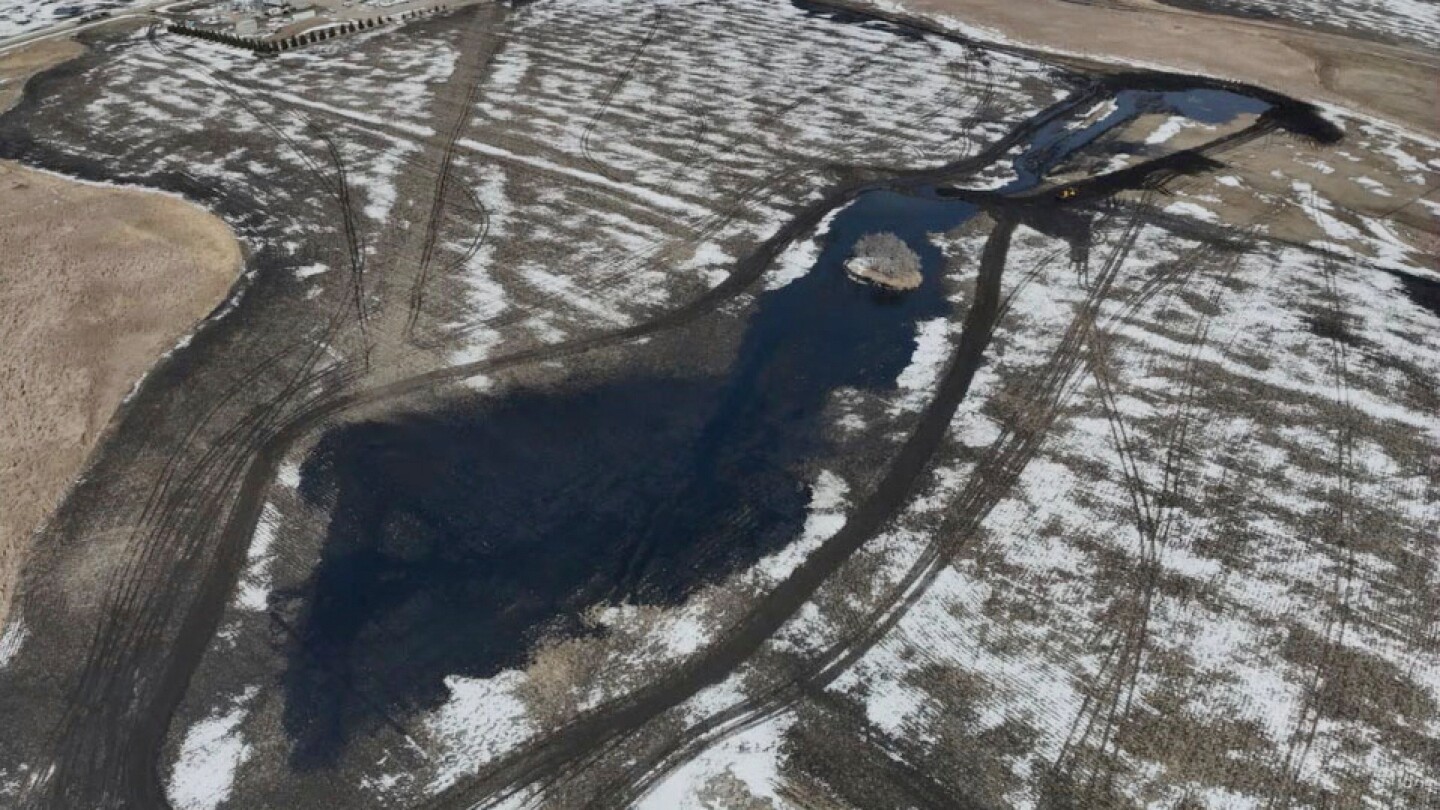
In a quarterly report released Thursday, the company revealed initial findings of their investigation into the April 8 incident that released approximately 3,500 barrels (147,000 gallons) of crude oil onto farmland near Fort Ransom, about 60 miles southwest of Fargo.
Bill Caram, Executive Director of the Pipeline Safety Trust, explained that a fatigue crack gradually expands over time due to pressure fluctuations within the pipeline. Despite the failure, South Bow stated that mechanical and metallurgical analysis confirmed the pipe and welds met industry standards.
The spill was detected quickly after an employee at the rural site heard a “mechanical bang” and shut down the pipeline within two minutes, according to state officials. South Bow mobilized vacuum trucks and more than 200 workers to address the contamination, and the pipeline resumed operations after a six-day shutdown.
The company estimates spill-related costs will reach approximately $55 million but expects to recover this amount through insurance in early 2025. South Bow has already received about $16 million in insurance reimbursements through September.
Following the incident, the U.S. Pipeline and Hazardous Materials Safety Administration (PHMSA) ordered several corrective actions. A third-party “root cause analysis” has been delayed due to the federal government shutdown, and South Bow has deferred to PHMSA regarding the timeline for those findings.
Cleanup efforts have proven largely successful, with state regulators noting during September inspections that “vegetation is recovering well” at the site. Officials plan another inspection in spring 2026, according to the incident report. South Bow reported recovering nearly 90% of the spilled oil and removing contaminated soil for proper disposal.
Local landowner Myron Hammer expressed satisfaction with the remediation timeline, which allowed him to plant soybeans on the affected land this season. “I’m surprised that they got everything put back in place as quick as they did. It was a big project,” Hammer said.
While the spill directly impacted approximately 5 acres, South Bow’s cleanup operations utilized around 40 acres for staging and access, according to Hammer. The affected area sits in gently rolling farmland characteristic of the region, which is known for its outdoor recreation opportunities and scenic vistas.
The company has conducted numerous remedial evaluations of the pipeline since the incident and reports finding “no injurious issues” thus far, with additional in-line inspections and integrity assessments planned.
The Keystone Pipeline system, spanning nearly 2,700 miles (4,345 kilometers), transports crude oil from Alberta, Canada, to refineries in Illinois, Oklahoma, and Texas. Despite the April disruption, South Bow reports the pipeline transported an average of 580,000 barrels per day from January through September of this year.
The North Dakota incident adds to the Keystone system’s history of spills. In recent years, the pipeline has faced increased scrutiny from environmental groups and regulators concerned about safety protocols and potential ecological impacts.
The broader Keystone project has been politically contentious, with the Keystone XL extension being a particular flashpoint in debates over North American energy policy. The XL portion, canceled during the Biden administration, has recently been discussed as a potential revival candidate following the 2024 presidential election.
Fact Checker
Verify the accuracy of this article using The Disinformation Commission analysis and real-time sources.

17 Comments
Interesting to see the preliminary findings on the cause of the Keystone Pipeline oil spill. A fatigue crack in the manufactured weld seam is a concerning issue – shows the need for rigorous pipeline inspection and maintenance protocols.
Agreed. Glad the spill was detected and contained quickly, but this incident highlights the risks of aging pipeline infrastructure and the potential environmental impact of even small leaks.
Disappointing to see another Keystone spill, though the relatively small volume is somewhat reassuring. Hopefully this leads to improvements that make the pipeline safer and more resilient going forward.
Curious to know if this type of weld failure is common across the pipeline industry or if it points to a more unique issue with the Keystone system. Looking forward to seeing the full investigation results and any broader implications.
Good question. Weld quality and fatigue issues are an industry-wide challenge, but the specific factors behind this incident will be important to understand. Thorough root cause analysis is key.
Fatigue cracks developing in pipeline welds is a common issue that operators need to stay on top of through proactive monitoring and maintenance. Glad the spill was relatively small, but any leak raises environmental worries.
Absolutely. Pipelines are a complex system that require constant vigilance to identify and address any potential weak points or defects before they lead to larger problems.
An oil spill of any size is concerning, but it’s good to see the operator moving quickly to investigate the cause and take corrective actions. Proactive pipeline maintenance is critical to prevent these kinds of incidents.
Agreed. The industry needs to stay vigilant on safety and environmental protection, especially for key energy infrastructure like the Keystone Pipeline.
The fatigue crack issue raises questions about the durability and longevity of pipeline materials and construction methods. Curious to see if this leads to any regulatory changes or industry-wide reassessment of standards.
As an investor, I’ll be watching to see how South Bow responds to this incident and what measures they take to reinforce pipeline integrity across their network. Maintaining public trust is critical for any energy infrastructure company.
Good to see the pipeline operator being transparent about the investigation findings. Curious what other steps they’ll take to prevent similar incidents in the future and ensure pipeline integrity across their system.
Yes, will be important for South Bow to share learnings and best practices with the broader industry to help improve pipeline safety overall.
As an energy industry observer, I’ll be following this story closely. Pipelines play a vital role, so it’s critical that operators like South Bow identify and address any systemic weaknesses to prevent future spills.
The Keystone Pipeline is a critical piece of North America’s energy infrastructure, so this spill is concerning. Hopefully the operator can quickly address the root cause and reinforce safety measures to maintain reliable operations.
Tough to see another spill, but at least the operator was transparent about the root cause findings. Hopefully this incident sparks productive discussions on how to enhance pipeline safety and resilience across the sector.
Definitely. Open communication and shared learnings will be crucial for the industry to collectively improve its environmental performance and maintain public trust.