


Listen to the article
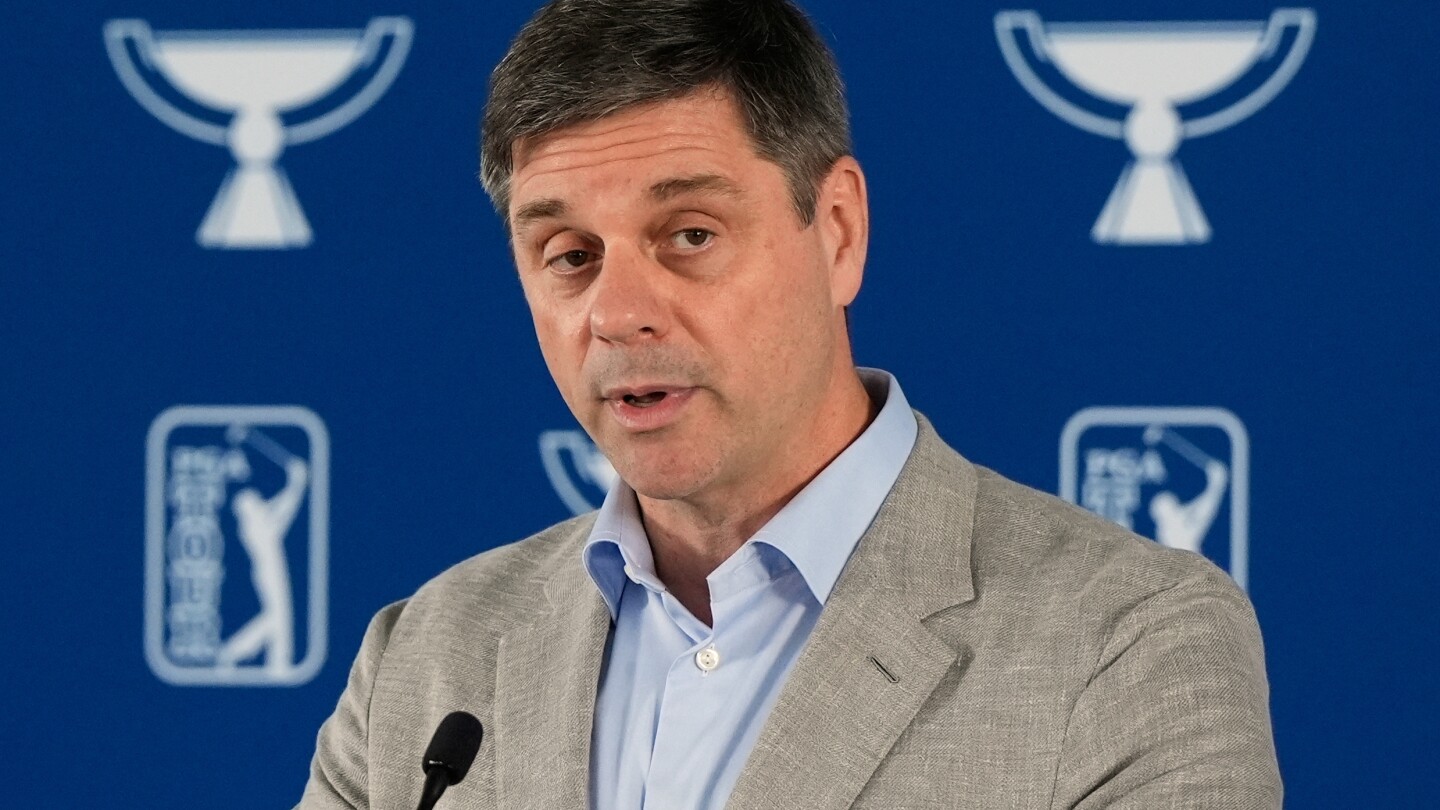
The PGA Tour announced a significant expansion of its Player Equity Program on Thursday, extending benefits to the top 50 players in the FedEx Cup standings this year. This move will approximately double the number of players receiving recurring equity grants, according to a memo sent to players by Brian Rolapp, CEO of PGA Tour Enterprises.
The expansion comes just a week before the delayed start of the 2026 season and follows discussions that began during a player meeting at the Rocket Classic shortly after Rolapp assumed his role as CEO. The initiative was formally approved after being deliberated at the November board meeting.
“By broadening the Player Equity Program, we are reaffirming our commitment to recognizing competitive performance and ensuring more of our members have the opportunity to share in the PGA Tour’s long-term success,” Rolapp wrote in the memo.
The equity program, first announced nearly two years ago, was created when the Tour partnered with Strategic Sports Group, a consortium of North American sports owners led by Fenway Sports Group. The partnership initially pledged $1.5 billion with potential to double that investment, creating a groundbreaking ownership structure in professional sports.
In its initial phase, the program distributed $750 million in equity grants to 36 players based on career performance, recent five-year results, and impact on the sport’s popularity. An additional $75 million was allocated to 64 players based on their performance over the previous three years, while $30 million went to 57 current PGA Tour members. The program also recognized 36 past players who were instrumental in building the tour with $75 million in equity.
The program included an additional $600 million earmarked for future PGA Tour players, to be awarded in $100 million annual installments beginning in 2025. These 2025 grants will be distributed in April, while the newly included top 50 FedEx Cup finishers from this year will receive their grants in April 2027.
The vesting structure for the initial $930 million in grants to 193 players follows a gradual schedule: 50% after four years, 75% after six years, and full vesting after eight years. The recurring annual shares have a simpler structure, with 100% vesting after six years.
With this expansion, the program now encompasses more than 213 PGA Tour members sharing approximately $1.3 billion in equity grants.
“As the sports industry continues to evolve and attract significant investment, your ownership in the PGA Tour is becoming an increasingly important part of the conversation,” Rolapp noted. “The PGA Tour’s player ownership model stands out as a groundbreaking approach — giving you the opportunity to benefit from the PGA Tour’s growth and success in ways that go beyond weekly purse earnings. In short, as the PGA Tour does better, so do you.”
The memo also addressed ongoing discussions about potential schedule changes being explored by the Future Competition Committee, which is chaired by Tiger Woods. While no concrete decisions have been made, topics under consideration include creating an “iconic start” to the season, expanding into major markets currently underserved by the Tour (such as New York, Chicago, and Boston), and enhancing the tour’s merit-based structure.
Rolapp also clarified the meaning of “scarcity,” a concept he has emphasized that had raised concerns about potential tournament reductions.
“When we talk about scarcity, the goal is to make every event matter more to fans, players and partners — not dramatically reducing the number of total events, playing opportunities or access,” he explained. “The Committee is still exploring all options, and our priority is to create a schedule that maximizes engagement and value for everyone involved.”
The equity program represents a significant innovation in professional sports, creating a direct financial link between the Tour’s overall success and the long-term financial prospects of its players, beyond traditional tournament winnings. This model may influence how other professional sports leagues approach player compensation and organizational structure in the future.
Fact Checker
Verify the accuracy of this article using The Disinformation Commission analysis and real-time sources.

14 Comments
While the equity program expansion seems positive, I wonder if there are any concerns from players about potential conflicts of interest or diverging priorities between their competitive interests and the Tour’s corporate interests.
That’s a fair question. The Tour will likely need to carefully manage the program to ensure alignment and avoid any perception of improper influence or favoritism.
The expansion of the equity program is an interesting development, but I wonder if it could also lead to more complex player-Tour dynamics and tensions as financial interests become more intertwined.
That’s a valid concern. The Tour will need to carefully manage the program to preserve the integrity of competition and maintain trust with players.
This is a savvy move by the PGA Tour to deepen player investment in the organization’s long-term success. Broadening the equity program beyond just the top stars could help foster a stronger sense of collective ownership.
Yes, that’s a good point. Spreading the equity more widely could create a greater sense of shared stake in the Tour’s growth and development.
The PGA Tour’s partnership with Fenway Sports Group and the $1.5 billion investment seems like a major strategic move. Expanding equity ownership to more players is a logical extension to share the upside of that deal.
Absolutely, it’s a smart way to further align player and organizational interests as the Tour looks to grow its commercial and media rights value.
This is an interesting move by the PGA Tour to expand equity ownership for top-performing players. It seems like a positive step to reward competitive success and broaden the benefits of the Tour’s growth and partnership deals.
Agreed, this could help incentivize players to perform at a high level and feel more invested in the overall success of the PGA Tour organization.
I’m curious to see how this new equity program will impact player performance and the competitive landscape on the Tour. Will it create more parity or lead to a greater concentration of wealth and influence among the top players?
That’s a good question. It will be important to monitor whether this change achieves the intended goals or has any unintended consequences for the sport.
Expanding the equity program to the top 50 players in the FedEx Cup standings is a significant increase from the previous program. It will be interesting to see if this helps attract and retain top talent on the PGA Tour.
That’s a good point. Offering equity ownership could be a valuable recruiting and retention tool, especially for younger players looking to maximize their earnings potential.