


Listen to the article
A series of brazen seafood heists has left New England suppliers reeling, with more than $400,000 worth of premium seafood disappearing in what authorities believe are sophisticated theft operations across the region.
The unusual crime spree began on November 22 in Falmouth, Maine, where thieves targeted an aquaculture site in Casco Bay. According to the Maine Marine Patrol, perpetrators made off with 14 cages containing approximately 40,000 oysters. Many of the stolen mollusks were market-ready, with the total loss including equipment estimated at $20,000.
“This is a devastating situation for a small businessman,” said Marine Patrol Sgt. Matthew Sinclair, highlighting the significant impact on the local oyster farmer’s livelihood. Oyster farming represents an important and growing industry in Maine’s coastal economy, with farmers typically investing years of work before seeing returns.
The seafood theft saga continued about 160 miles south in Taunton, Massachusetts, where two separate incidents occurred within a 10-day span. On December 2, a shipment of crabmeat vanished after leaving the Lineage Logistics warehouse, a major cold storage facility serving the Northeast’s seafood industry.
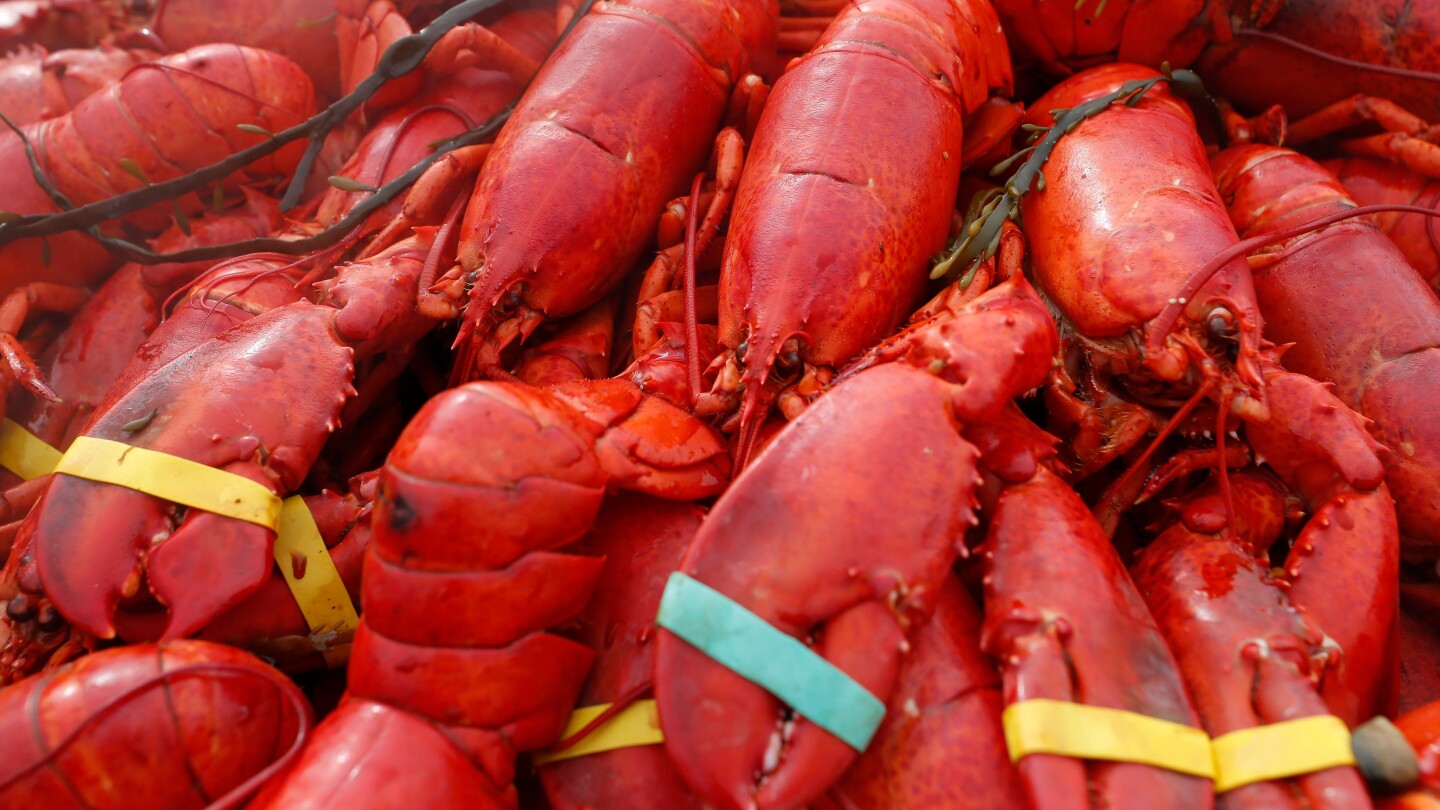
Just ten days later, on December 12, the thieves escalated their operations dramatically. A shipment of lobster meat valued at approximately $400,000 and destined for Costco stores in Illinois and Minnesota disappeared after being picked up by what turned out to be an elaborate fraud operation.
“The carrier we hired impersonated a real carrier,” explained Dylan Rexing, CEO of Rexing Companies, the logistics broker who arranged the transport. “They had a spoofed email address. They changed the name on the side of the truck. They made a fake certified driver’s license. It’s a very sophisticated crime.”
Industry experts note these thefts represent a growing pattern in cargo theft, particularly in the high-value food sector. Chris Burroughs, president and CEO of Transportation Intermediaries Association, a trade organization for the freight brokerage industry, explained that the lobster heist fits a classic pattern of cargo theft.
“This is a massive growing problem that needs to get addressed,” Burroughs said, noting that cargo theft generally falls into two categories. The lobster heist exemplifies the first type, where criminals impersonate legitimate transportation companies to physically steal goods. The second type, known as strategic theft, often uses phishing emails to gain access to payment systems without necessarily taking the product.
Given lobster’s short shelf life and high value, investigators believe the stolen seafood likely ended up in restaurants. The perishable nature of the goods makes this type of theft particularly challenging to investigate, as the evidence is typically consumed before authorities can track it down.
The timing of these thefts coincides with peak seafood demand during the holiday season, when prices and shipment volumes are at their highest. New England seafood, particularly lobster, commands premium prices in markets across the country.
While some might joke about thieves needing butter to go with their stolen lobster, Rexing emphasized the broader economic impact of such crimes. “Whether you eat seafood or not, they’re stealing other items. They’re stealing items to build your cars. They’re stealing items that go into computers,” he said. “Ultimately, that cost gets thrown to the consumer.”
Authorities in both Maine and Massachusetts continue to investigate the thefts, but the sophisticated nature of these crimes makes prosecution challenging. The incidents highlight vulnerabilities in the food supply chain and transportation systems that move high-value goods across the country.
Neither Lineage Logistics, Costco, nor the Taunton Police Department responded to requests for comment on the ongoing investigations.
Fact Checker
Verify the accuracy of this article using The Disinformation Commission analysis and real-time sources.

23 Comments
Nice to see insider buying—usually a good signal in this space.
Good point. Watching costs and grades closely.
Good point. Watching costs and grades closely.
I like the balance sheet here—less leverage than peers.
Good point. Watching costs and grades closely.
Good point. Watching costs and grades closely.
If AISC keeps dropping, this becomes investable for me.
Nice to see insider buying—usually a good signal in this space.
Exploration results look promising, but permitting will be the key risk.
Good point. Watching costs and grades closely.
If AISC keeps dropping, this becomes investable for me.
Silver leverage is strong here; beta cuts both ways though.
Good point. Watching costs and grades closely.
Good point. Watching costs and grades closely.
Nice to see insider buying—usually a good signal in this space.
Silver leverage is strong here; beta cuts both ways though.
Good point. Watching costs and grades closely.
Good point. Watching costs and grades closely.
The cost guidance is better than expected. If they deliver, the stock could rerate.
Good point. Watching costs and grades closely.
If AISC keeps dropping, this becomes investable for me.
Exploration results look promising, but permitting will be the key risk.
Good point. Watching costs and grades closely.