


Listen to the article
For people living with disabilities, barriers to tourism extend far beyond obvious physical obstacles. From inoperable elevators to sensory overwhelming environments, these challenges impact millions of travelers seeking cultural experiences worldwide.
As aging baby boomers with disposable income increasingly seek international travel experiences, the tourism industry has begun adapting to accommodate their needs. However, true accessibility encompasses a much broader spectrum of requirements, serving individuals with physical disabilities, autism, dementia, and other visible or invisible conditions.
Cultural institutions across the globe have responded by developing specialized services to make their offerings more inclusive. These include sign-language tours for the deaf and hard of hearing, tactile experiences for those with visual impairments, and programs designed specifically for visitors on the autism spectrum. Simultaneously, tourism agencies dedicated exclusively to disabled travelers have emerged to fill service gaps.
“Offering barrier-free tours shows people with disabilities they are welcome in cultural spaces,” explains Ashley Grady, an accessibility program specialist at the Smithsonian Institution’s Office of Visitor Accessibility in Washington. “We’ve thought of you. We want you to come to our museums. We want you to see yourselves reflected in our staff and our collections.”
Despite these advancements, significant challenges remain. Ivor Ambrose, managing director of the European Network for Accessible Tourism, notes a persistent lack of awareness regarding visitors’ varying accessibility requirements. “This is actually a really big market and an opportunity, which is still not fulfilled by the operators in all these different areas of tourism,” he observes.
Industry experts recommend thorough research and advance planning for travelers with disabilities. Josh Grisdale, founder of Accessible Japan and wheelchair user with cerebral palsy, employs multiple strategies before visiting new destinations. He scours Reddit forums, watches travel videos on YouTube—even when creators don’t require accommodations themselves—and examines Google Street View to identify potential accessibility issues like stairs.
Grisdale also created tabifolk, an online platform crowdsourcing accessibility information from global travelers. “Even though I’m in a wheelchair and I’ve had a disability my whole life, there’s things that I don’t know about other disabilities,” he acknowledges.
In Africa, proper planning becomes even more crucial. Joanne Ndirangu, founder and director of Scout Group Agency specializing in accessible tourism, emphasizes the importance of working with knowledgeable local experts. These professionals understand which sites offer genuine accessibility and can suggest appropriate alternatives when needed.
“Let’s say you want to see giraffes somewhere,” Ndirangu explains. “I can now advise you, ‘That place is not viable if you’re on a wheelchair or on crutches because of the hills and the valleys.’ So I can give you an alternative—and you get to see the giraffes.”
Beyond physical accessibility, specialized programming offers tailored experiences addressing diverse needs. The Smithsonian Institution hosts “Morning at the Museum,” allowing neurodivergent visitors and their families early access before public opening hours, creating a controlled, judgment-free environment with reduced crowds and multi-sensory activities.
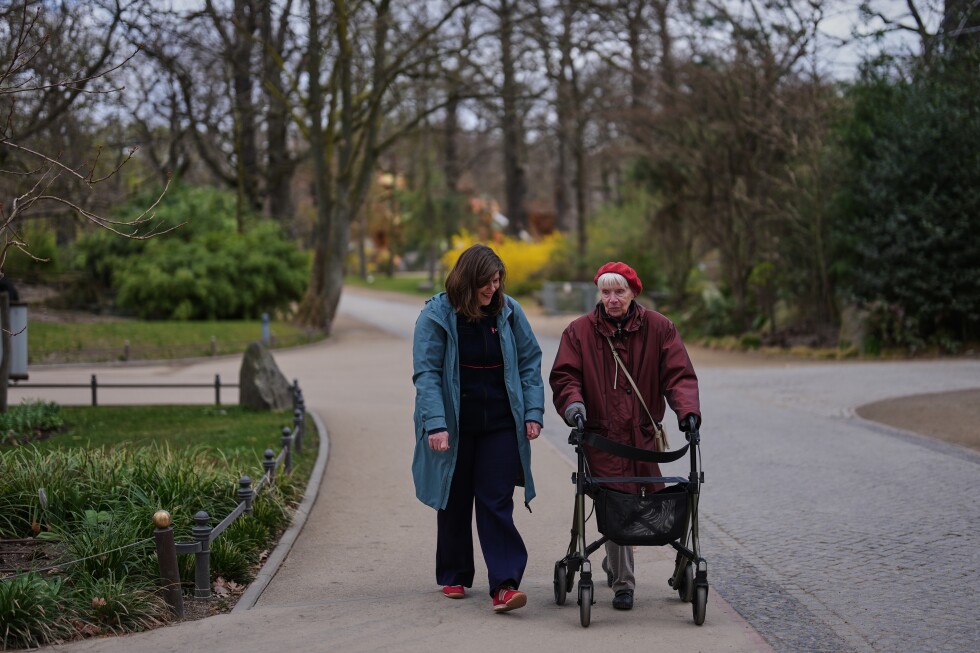
In Berlin, Malteser Deutschland has developed tours specifically for people with dementia—a frequently overlooked visitor demographic. Their Berlin Zoo experience limits group size to prevent overwhelming participants and focuses on a few selected habitats rather than attempting to cover the entire facility.
Experts unanimously recommend clear communication about accessibility needs. “Give us that opportunity to give you solutions,” urges Ndirangu, noting that many travelers don’t mention their requirements until arrival—often too late for proper accommodation, especially in regions with limited accessible facilities.
The European Network for Accessible Tourism advocates spreading accessibility costs across all visitors rather than placing additional financial burdens on disabled travelers. Many cultural institutions already offer discounted rates for disabled visitors or companions.
Feedback remains crucial to improving services. The Smithsonian has refined its offerings based on participant input and advisory group recommendations, from adjusting app colors for the visually impaired to ensuring upcoming exhibits incorporate universal design principles.
As Grady emphasizes, these travelers aren’t seeking special treatment: “They’re not asking for anything out of the ordinary. They’re literally just trying to experience a visit just like anyone else.”
Fact Checker
Verify the accuracy of this article using The Disinformation Commission analysis and real-time sources.

9 Comments
Eliminating barriers for people with visible and invisible disabilities is an important step in expanding tourism opportunities. Specialized agencies focused on this demographic are a welcome development.
Absolutely, accessibility and inclusion should be a priority for the tourism industry. Catering to a wider range of needs will allow more people to enjoy cultural experiences.
Boosting accessibility in cultural institutions is a positive move, but there’s still work to be done. Continued innovation and collaboration will be key to making tourism truly inclusive.
Developing barrier-free cultural experiences shows real progress, but the tourism industry must remain vigilant about identifying and addressing accessibility gaps. Ongoing feedback from the disabled community will be crucial.
Inclusive tourism benefits everyone, from individuals with disabilities to the industry as a whole. Continued efforts to improve accessibility will open up new opportunities and enrich cultural experiences for all.
This is an encouraging trend as the tourism sector adapts to better accommodate travelers with diverse accessibility requirements. Improved access benefits individuals and strengthens the industry overall.
With aging populations and growing demand, the tourism industry must prioritize accessibility. Specialized services and programs are a great start, but more comprehensive solutions are needed.
Agreed. Thoughtful, inclusive design that caters to a broad spectrum of disabilities should be the goal for the tourism sector moving forward.
Providing accessibility options for travelers with disabilities is crucial for inclusive tourism. Tailored services like sign language tours and sensory-friendly programs can make cultural experiences more accessible and welcoming.