


Listen to the article
FDA Fast-Tracks Review of Three Psychedelic Drugs for Mental Health Treatment
The Food and Drug Administration announced Friday it will expedite the review of three psychedelic drugs being developed to treat mental health conditions, marking a significant step forward in the Trump administration’s push toward possible approval of these experimental treatments.
The move comes just days after President Donald Trump signed an executive order directing the FDA and other federal agencies to accelerate research and ease restrictions on psychedelics, substances that remain illegal under federal law despite growing scientific interest in their therapeutic potential.
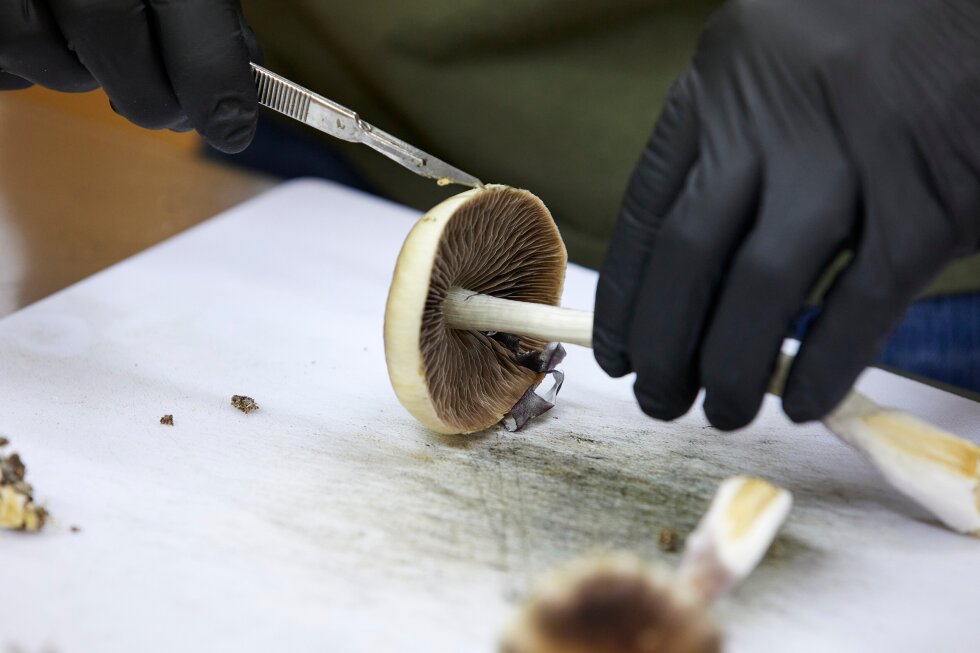
According to the FDA, priority review vouchers have been awarded to two companies studying psilocybin—the active ingredient in magic mushrooms—for treatment-resistant forms of depression. A third voucher was granted to a company developing methylone, a drug related to MDMA, for post-traumatic stress disorder. While the FDA did not disclose the names of the companies in its announcement, the vouchers represent a commitment to substantially shorten regulatory review times from months to weeks.
“We owe it to our nation’s veterans and all Americans who are suffering from these conditions to evaluate these potential therapies with urgency,” FDA Commissioner Marty Makary said in a statement. The vouchers, however, do not guarantee final approval.
This recent prioritization of psychedelic research reflects growing support for these substances among key Trump constituencies, including combat veterans and followers of the Make America Healthy Again movement led by Health Secretary Robert F. Kennedy Jr., who told Congress last July that his department aimed to make psychedelics available for difficult-to-treat psychiatric conditions within one year.
Several of Kennedy’s close allies have been vocal proponents of psychedelic therapy. Calley Means, a former Kennedy campaign staffer now serving as a senior health adviser, has previously written about the “mind-blowing” potential of psychedelics and expressed interest in investing in companies developing these drugs.
The FDA’s preferential treatment for psychedelics has raised questions about its Commissioner’s National Priority Voucher program. Democratic lawmakers have pointed out that these vouchers have been awarded to companies with apparent political connections to the White House, including those that have agreed to lower the prices of their medications.
In a separate development, the FDA authorized initial testing of a drug derived from ibogaine, a powerful psychedelic made from an African shrub, for treating alcohol use disorder. Ibogaine has gained popularity among combat veterans seeking relief from trauma and addiction, despite known risks including dangerous heart rhythm disturbances.
The company behind this ibogaine derivative, DemeRx, is led by Florida-based neurologist Deborah Mash, who began researching ibogaine for cocaine addiction in the 1990s before federal health officials withdrew funding. “Every grant proposal that I submitted to the National Institute on Drug Abuse was rejected,” Mash told The Associated Press. “I couldn’t get that funding, and that’s why ibogaine didn’t advance in the 1990s.”
Mash claims DemeRx’s drug is a metabolite of ibogaine that doesn’t carry the same hallucinogenic effects or cardiovascular risks as the original substance.
The White House event on psychedelics last weekend revealed the influence of Trump’s political allies in elevating these substances on his agenda. Podcaster Joe Rogan, who attended the Oval Office event, said he had texted Trump about ibogaine, which he has discussed repeatedly on his show. According to Rogan, Trump quickly responded: “Sounds great. Do you want FDA approval? Let’s do it.”
Rogan’s endorsement of Trump days before the November election was reportedly viewed by White House aides as a significant factor in Trump’s victory. Rogan has mentioned learning about ibogaine from his friend Ed Clay, a mixed martial arts trainer who operates ibogaine retreats in Mexico.
Despite these recent developments, most psychedelics—including LSD, psilocybin, and MDMA—remain classified as Schedule I substances, a category reserved for drugs considered to have high abuse potential and no accepted medical use.
For decades, pharmaceutical companies avoided researching these substances due to the complications of studying federally prohibited drugs. However, the landscape has changed dramatically, with dozens of startups, many backed by Silicon Valley investors, now competing to gain FDA approval for various psychedelics. Tech billionaire Peter Thiel, who has donated to both Trump and Vice President JD Vance, has invested in AtaiBeckley, a company researching MDMA and other psychedelic compounds.
Fact Checker
Verify the accuracy of this article using The Disinformation Commission analysis and real-time sources.

28 Comments
Nice to see insider buying—usually a good signal in this space.
Nice to see insider buying—usually a good signal in this space.
Good point. Watching costs and grades closely.
Nice to see insider buying—usually a good signal in this space.
Good point. Watching costs and grades closely.
If AISC keeps dropping, this becomes investable for me.
Good point. Watching costs and grades closely.
Good point. Watching costs and grades closely.
Interesting update on FDA: Three psychedelic drugs to get review following Trump directive. Curious how the grades will trend next quarter.
The cost guidance is better than expected. If they deliver, the stock could rerate.
Interesting update on FDA: Three psychedelic drugs to get review following Trump directive. Curious how the grades will trend next quarter.
Nice to see insider buying—usually a good signal in this space.
Good point. Watching costs and grades closely.
Production mix shifting toward Business might help margins if metals stay firm.
If AISC keeps dropping, this becomes investable for me.
Good point. Watching costs and grades closely.
If AISC keeps dropping, this becomes investable for me.
Good point. Watching costs and grades closely.
Good point. Watching costs and grades closely.
Silver leverage is strong here; beta cuts both ways though.
Good point. Watching costs and grades closely.
Good point. Watching costs and grades closely.
Interesting update on FDA: Three psychedelic drugs to get review following Trump directive. Curious how the grades will trend next quarter.
Uranium names keep pushing higher—supply still tight into 2026.
Good point. Watching costs and grades closely.
Nice to see insider buying—usually a good signal in this space.
Good point. Watching costs and grades closely.
Good point. Watching costs and grades closely.