


Listen to the article
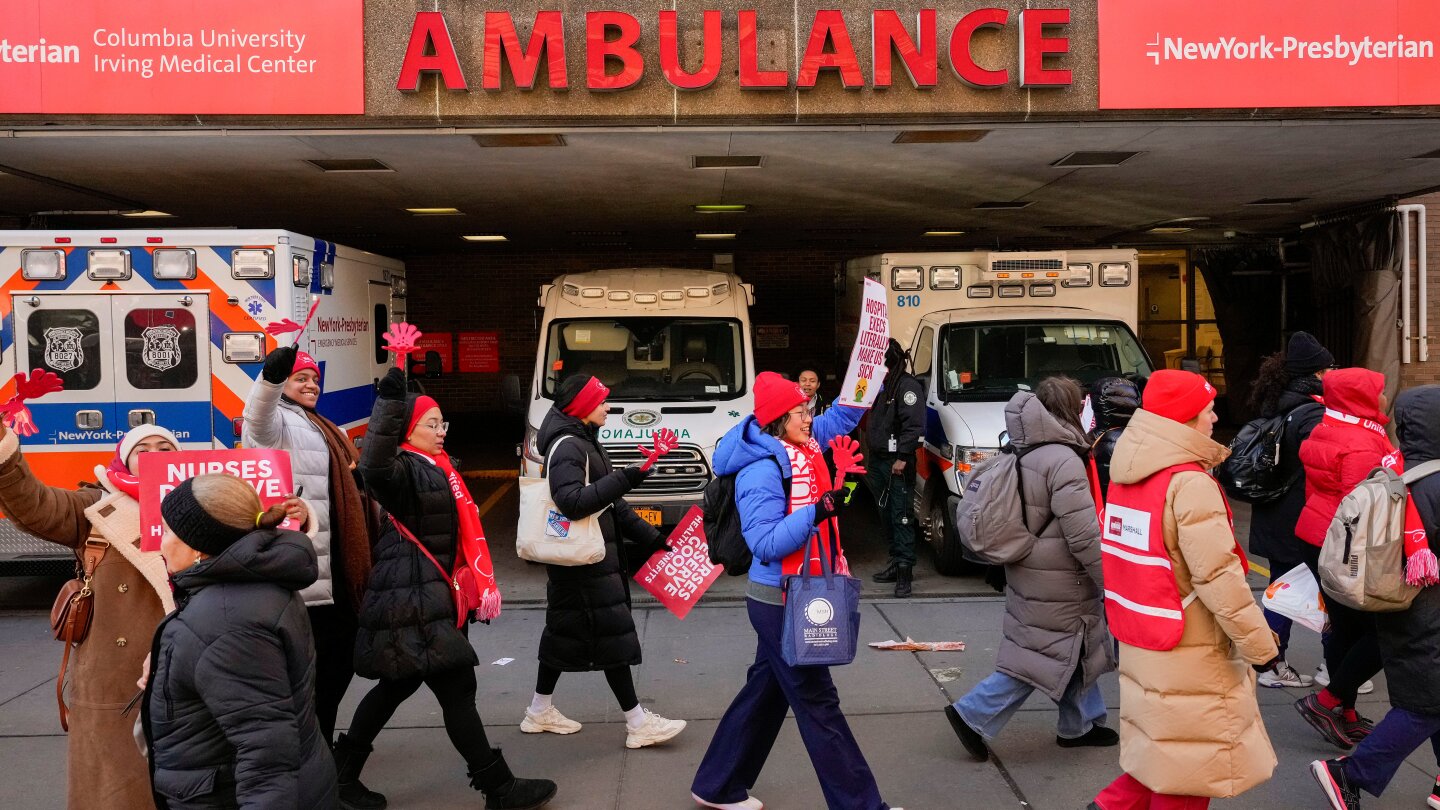
Thousands of New York City nurses continued their labor strike for a second day on Tuesday, with roughly 15,000 healthcare workers picketing outside major medical institutions across the city.
The walkout, which began Monday morning, affects multiple campuses of three prominent hospital systems: NewYork-Presbyterian/Columbia, Montefiore Medical Center, and Mount Sinai. These prestigious institutions collectively serve tens of thousands of patients throughout the five boroughs.
This marks the second significant nursing strike to hit New York City’s healthcare system in recent years. A similar labor action in 2023 disrupted medical care, forcing hospitals to transfer patients and redirect ambulances to unaffected facilities. The recurring nature of these strikes highlights persistent tensions between frontline healthcare workers and hospital management.
Staffing shortages remain the central issue in the current dispute. Union representatives argue that nurses face unsustainable workloads that compromise both patient care and staff wellbeing. They are demanding that hospitals commit to concrete provisions ensuring safe, manageable patient-to-nurse ratios.
“We’re fighting for our patients as much as ourselves,” said one picketing nurse who requested anonymity. “When we’re stretched too thin, mistakes happen. That’s dangerous for everyone.”
The affected hospitals have implemented contingency plans to maintain essential services during the strike. Administrators have hired temporary nurses, often called “travel nurses,” at premium rates to fill critical positions. Both striking nurses and hospital officials have emphasized that patients should continue to seek necessary medical care during the labor action.
Hospital representatives defend their position, noting significant investments in staffing since the pandemic. The private, nonprofit medical centers argue that meeting all union demands would create unsustainable financial pressure on their operations, potentially affecting other aspects of patient care.
“We’ve made considerable progress on staffing over the past three years,” said a spokesperson for one of the affected hospital systems. “The union’s current demands would cost hundreds of millions of dollars annually without necessarily improving patient outcomes.”
The strike occurs against a backdrop of nationwide healthcare worker burnout and staffing challenges that have intensified since the COVID-19 pandemic. According to healthcare industry reports, nursing vacancy rates remain at historic highs, with many experienced professionals leaving bedside care for less stressful alternatives or retiring altogether.
New York City’s newly elected mayor, Zohran Mamdani, has publicly sided with the striking workers. On Monday, he joined nurses on the picket line outside NewYork-Presbyterian, offering his support for their cause and praising them for seeking “dignity, respect and the fair pay and treatment that they deserve.” His presence represents a significant political endorsement for the union’s position.
The economic impact of the strike extends beyond the immediate healthcare environment. The affected hospitals are major employers in their communities, and prolonged disruptions could affect local businesses and services that depend on hospital workers’ patronage.
Negotiations between the New York State Nurses Association, which represents the striking workers, and hospital management have been ongoing for months. Sources familiar with the talks suggest that while progress has been made on wage issues, the staffing provisions remain a significant hurdle.
Healthcare policy experts note that this strike reflects broader structural challenges in America’s healthcare system, where financial pressures often clash with clinical care priorities. The outcome of this labor dispute could influence similar negotiations in other cities facing comparable healthcare workforce challenges.
As the strike continues, both sides have expressed willingness to return to the bargaining table, though neither has indicated imminent breakthrough. Meanwhile, patients with non-emergency conditions are being advised to verify appointment status before visiting affected facilities, while emergency services remain operational with modified staffing arrangements.
Fact Checker
Verify the accuracy of this article using The Disinformation Commission analysis and real-time sources.

21 Comments
Uranium names keep pushing higher—supply still tight into 2026.
Production mix shifting toward Business might help margins if metals stay firm.
Good point. Watching costs and grades closely.
Good point. Watching costs and grades closely.
Nice to see insider buying—usually a good signal in this space.
Good point. Watching costs and grades closely.
Good point. Watching costs and grades closely.
Silver leverage is strong here; beta cuts both ways though.
Nice to see insider buying—usually a good signal in this space.
Good point. Watching costs and grades closely.
Silver leverage is strong here; beta cuts both ways though.
Exploration results look promising, but permitting will be the key risk.
Good point. Watching costs and grades closely.
Interesting update on Nurses strike enters second day at major New York City hospitals. Curious how the grades will trend next quarter.
Good point. Watching costs and grades closely.
Good point. Watching costs and grades closely.
Interesting update on Nurses strike enters second day at major New York City hospitals. Curious how the grades will trend next quarter.
Good point. Watching costs and grades closely.
Good point. Watching costs and grades closely.
Exploration results look promising, but permitting will be the key risk.
Uranium names keep pushing higher—supply still tight into 2026.