


Listen to the article
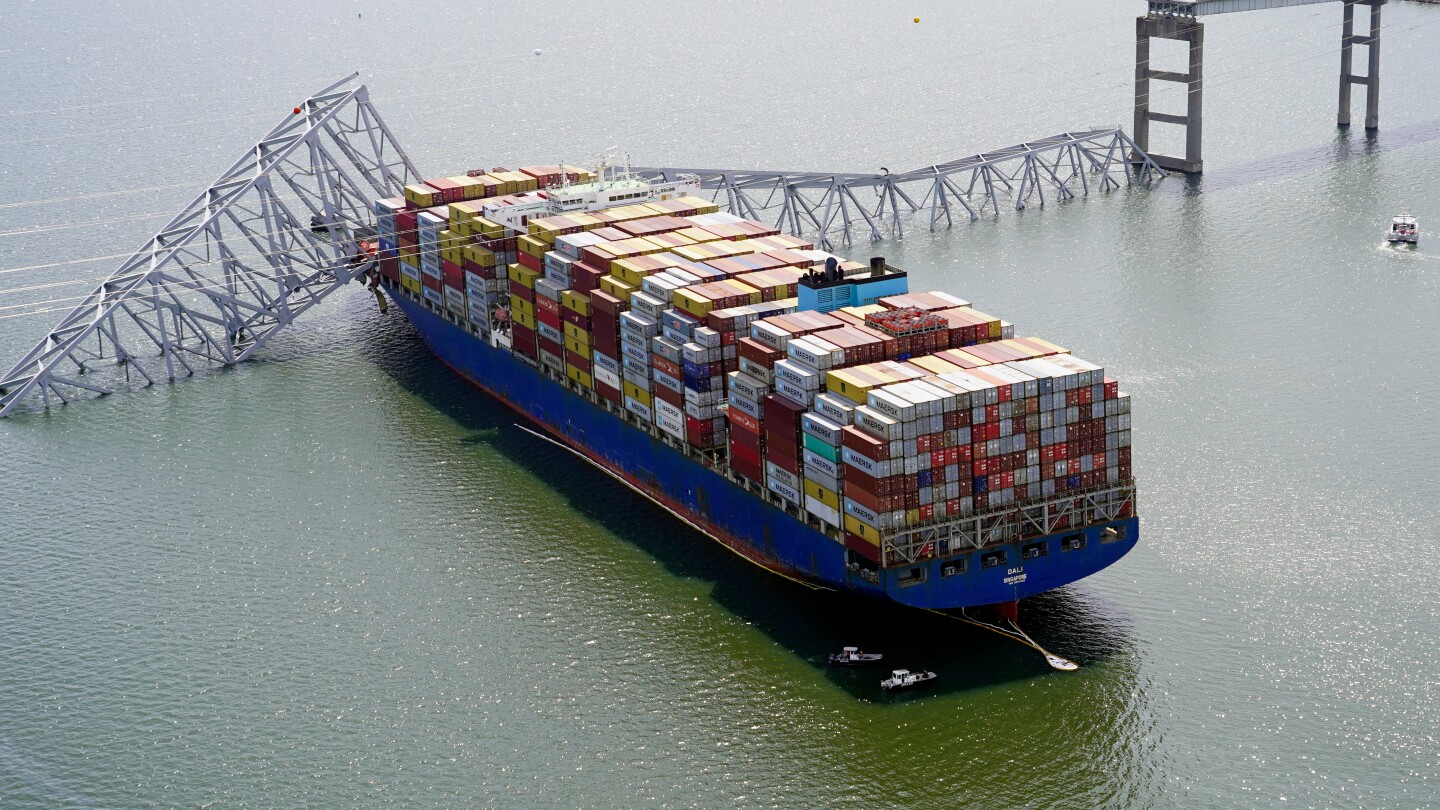
The National Transportation Safety Board is scheduled to vote Tuesday on its findings regarding the cause of the March 2024 container ship collision with Baltimore’s Francis Scott Key Bridge, an incident that resulted in the deaths of six construction workers when the structure collapsed.
The NTSB meeting in Washington will determine the probable cause of the accident, issue safety recommendations, and consider modifications to a previous report. The vote comes at a time when Maryland officials have significantly increased both the estimated cost and timeline for rebuilding the bridge.
Maryland Governor Wes Moore announced Monday that the new projected cost for the bridge replacement has more than doubled to between $4.3 billion and $5.2 billion, up from the initial estimate of $1.9 billion. The expected completion date has also been pushed back by two years to 2030.
“Since then, national economic conditions have deteriorated and material costs have increased,” Moore explained. “At the same time, elevated costs have resulted from federal design and resilience standards — not discretionary state choices.”
NTSB investigators previously identified a loose electrical cable that may have contributed to power problems on the Dali, the cargo vessel involved in the accident. Documents released last year indicated this loose connection could have caused the electrical issues that led to the ship losing power and steering capability before it struck the bridge support column at approximately 1:30 a.m.
According to investigative reports, the 947-foot vessel first experienced power loss while still docked in Baltimore after a crew member mistakenly closed an exhaust damper during maintenance, causing one of the ship’s diesel engines to stall. Crew members subsequently altered the ship’s electrical configuration, switching from one transformer and breaker system to another that was active when the vessel departed.
Engineers from Hyundai, the manufacturer of the ship’s electrical system, determined that the loose cable could create an open circuit and trigger a breaker, according to a 41-page report detailing tests conducted on the Dali following the collapse. When engineers disconnected the cable during simulation testing, it resulted in a complete blackout on the ship—mirroring what happened as the vessel approached the bridge.
The Dali was departing Baltimore for Sri Lanka when the incident occurred. The collision and subsequent bridge collapse killed six road crew workers who were filling potholes during an overnight shift, and severely disrupted commercial shipping through the Port of Baltimore for several months. Full channel access wasn’t restored until June 2024.
The NTSB has previously criticized the Maryland Transportation Authority for failing to address the bridge’s vulnerability to ship strikes, especially considering major changes in maritime shipping since the structure opened to traffic in 1977. The safety board has urged other bridge owners to learn from this catastrophic failure.
The Francis Scott Key Bridge, which opened in 1977 after five years of construction, was a vital 1.6-mile steel span that allowed drivers to bypass downtown Baltimore. It was particularly crucial for port operations, serving as a key piece of transportation infrastructure for the region.
Demolition work on the remaining spans of the collapsed bridge began in July 2024 and continues as officials plan for the lengthy and costly reconstruction process. The incident has prompted broader discussions about infrastructure vulnerability and the need for enhanced safety measures for critical transportation structures nationwide, particularly those spanning active shipping channels.
The NTSB’s findings and recommendations from Tuesday’s vote will likely influence not only the reconstruction of Baltimore’s bridge but also safety protocols for similar infrastructure across the country.
Fact Checker
Verify the accuracy of this article using The Disinformation Commission analysis and real-time sources.

19 Comments
My heart goes out to the families of the construction workers who lost their lives in this accident. While the increased costs and timeline for the bridge replacement are concerning, the priority should be on ensuring the highest safety standards.
Tragic incident that underscores the need for robust safety measures and regular maintenance of aging infrastructure. Curious to see if the NTSB identifies any systemic issues that contributed to this accident.
Well said. Improving safety and resilience should be the top priorities, even if it means higher costs and longer timelines. The public deserves a bridge they can trust.
This is a stark reminder of the need for robust safety measures and regular maintenance of critical infrastructure. I hope the NTSB’s findings will lead to enhanced protocols for maritime operations near bridges and other structures.
Well said. Safeguarding human life and infrastructure resilience should be the top priorities, even if it means significant financial and logistical challenges.
This is a tragic incident that highlights the importance of rigorous safety standards and proper maintenance for critical infrastructure. Hopefully, the NTSB investigation will provide valuable insights to prevent similar accidents in the future.
You’re right, infrastructure resilience is crucial. The increased cost and timeline for the bridge replacement is concerning, but necessary investments in safety and quality should take priority.
The increased cost and timeline for the bridge replacement is concerning, but the priority should be on ensuring the new structure is built to the highest safety standards. I look forward to learning more about the NTSB’s findings.
This is a stark reminder of the risks involved in maritime operations near critical infrastructure. I hope the NTSB’s recommendations lead to enhanced safety protocols for ships navigating around bridges and other structures.
My condolences to the families of the construction workers who lost their lives. This accident highlights the importance of maritime safety and the need for vigilance around critical infrastructure.
Tragic incident that underscores the importance of maintaining and upgrading aging infrastructure. I’m curious to see if the NTSB investigation identifies any systemic issues that need to be addressed.
While the increased cost and timeline for the bridge replacement is concerning, it’s clear that ensuring the safety and resilience of the new structure should be the top priority. I’m interested to see what the NTSB investigation uncovers.
This is a sobering reminder of the risks involved in maritime operations and the need for robust safety protocols. I hope the NTSB’s findings and recommendations will help prevent similar tragedies in the future.
Absolutely. Safeguarding critical infrastructure and protecting human life should be the paramount concerns, even if it means significant financial and logistical challenges.
The escalating costs and delays for the bridge rebuild are frustrating, but necessary to ensure it’s done right. I’m curious to see if the NTSB identifies any systemic issues that contributed to this accident.
Good point. Addressing underlying vulnerabilities in the system will be key to preventing future incidents like this. The public deserves answers and assurances that proper safety measures are in place.
Tragic accident that underscores the importance of maintaining and upgrading aging infrastructure. I’m curious to see if the NTSB investigation identifies any systemic issues that need to be addressed.
While the exact cause is still under investigation, it’s clear that this accident had devastating consequences. My condolences go out to the families of the construction workers who lost their lives.
Agreed, the loss of life is heartbreaking. Hopefully the NTSB’s findings will shed light on what went wrong and lead to improved safety protocols for maritime traffic near bridges.