


Listen to the article
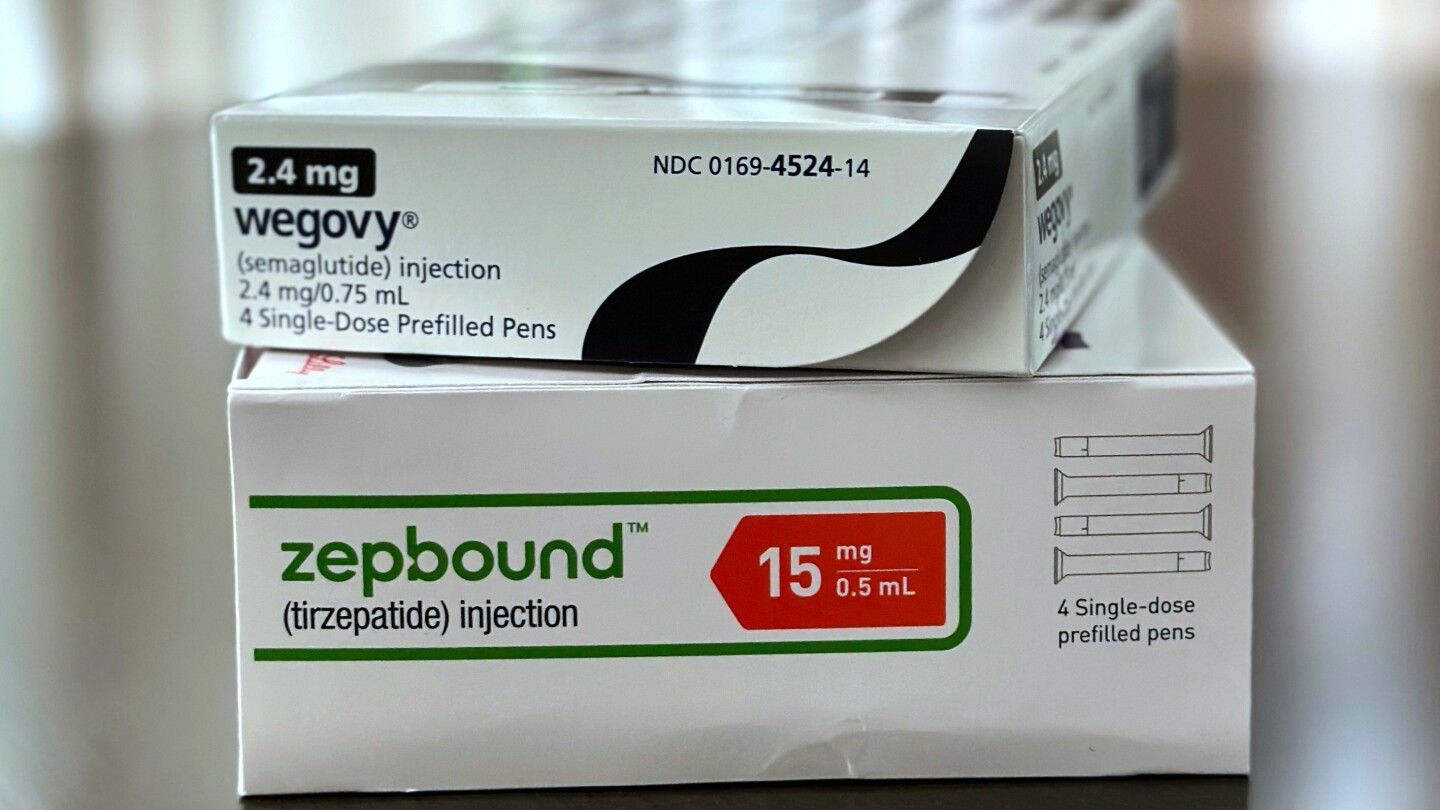
Novo Nordisk has announced significant price reductions for its popular weight-loss treatment Wegovy, dropping the cost to $349 per month for higher doses, down from the previous $499 monthly price tag. The price cut aligns with a recent drug pricing agreement announced by the Trump administration.
The pharmaceutical giant is also offering a temporary promotion of $199 per month for the first two months on lower doses of both Wegovy and Ozempic, its diabetes counterpart. These new pricing structures will be available through pharmacies nationwide, home delivery services, and select telemedicine providers.
In a parallel move, competitor Eli Lilly plans to reduce prices for its weight-loss medication Zepbound once a new multi-dose pen enters the market. Lilly has announced its intention to sell starter doses of Zepbound at $299 monthly and additional doses at up to $449, representing a $50 reduction from current direct-to-patient prices.
GLP-1 receptor agonists like Wegovy and Zepbound have experienced surging popularity in recent years. These medications target hormones in the gut and brain that regulate appetite and satiety. Clinical trials have demonstrated impressive results, with participants losing between 15% and 22% of their body weight—equivalent to 50 pounds or more in many cases.
Despite their effectiveness, affordability remains a significant barrier for many patients. A recent poll conducted by the nonprofit KFF found approximately half of those taking these medications report difficulty affording them, even after earlier price reductions announced by both companies that brought costs down to around $500 monthly for higher doses.
Stacie Dusetzina, a Vanderbilt University Medical Center professor and prescription drug pricing expert, notes that research indicates people struggle to afford medications costing more than $100 per month. She expressed skepticism about the impact of Novo’s new pricing, saying it’s “not going to really move the needle for a person who doesn’t have a pretty reasonable amount of disposable income.”
Dr. Laura Davisson, an obesity specialist at West Virginia University, emphasized that the medication would remain unaffordable for patients on Medicaid in states where the government-funded program does not cover the drug. She highlighted a broader concern about insurance coverage trends.
“We’ve had hundreds of people lose coverage over the last couple of years, and we keep seeing more and more insurers drop coverage,” Davisson said. Her practice has established a group support program to assist patients who have lost coverage.
The landscape is expected to improve starting next year under a deal announced by the Trump administration. Medicare, which primarily serves people 65 and older, will begin covering these treatments for individuals with severe obesity and those who are overweight or obese with serious health problems. Qualifying patients will pay $50 copays for the medicine.
Administration officials have also stated that the lower prices negotiated for Medicare will extend to Medicaid programs. Dave Moore, Novo’s executive vice president for U.S. operations, indicated this will help expand coverage, noting that Medicaid programs in 20 states currently cover the drug for obesity treatment.
Novo officials anticipate around 40 million more Americans will gain access to their drug through these coverage expansions for Medicaid and Medicare. Neither Moore nor representatives from Eli Lilly would comment on whether additional price cuts are planned.
Both companies are seeking approval for pill versions of their drugs, which would come with new pricing structures. Lilly spokesperson Courtney Kasinger emphasized the company’s position that obesity treatments should be covered like those for any other chronic condition.
“We’re going to continue to work to improve coverage as much as we can across all channels, all stakeholders,” she said.
These developments represent significant shifts in the accessibility of weight-loss medications, though challenges remain in ensuring these treatments reach all patients who could benefit from them regardless of financial circumstances.
Fact Checker
Verify the accuracy of this article using The Disinformation Commission analysis and real-time sources.

11 Comments
These new pricing structures for Wegovy and Zepbound are an encouraging sign, but the costs are still quite substantial. Ensuring widespread affordability and access to effective weight-loss treatments should remain a priority for the pharmaceutical industry and healthcare system.
The surge in popularity of GLP-1 medications like Wegovy and Zepbound shows the strong demand for effective weight-loss treatments. But the high costs have been a major barrier. Hopefully these price reductions from Novo and Lilly can improve affordability and access for more patients.
That’s an important point. These medications have shown impressive results, so increased affordability could make a real difference in helping more people manage their weight and health.
Interesting to see Novo Nordisk take action to address the cost challenges patients have faced with Wegovy. Reducing prices is a positive step, though ongoing affordability may still be an issue for some. I wonder how this will impact usage and access to this effective weight-loss treatment.
Agreed, the price cuts are a good move, but the costs are still quite high. Doctors will need to carefully weigh the benefits against the financial burden for patients.
The price reductions announced by Novo Nordisk and Eli Lilly for their GLP-1 weight-loss medications are a positive development. However, the costs are still quite high, and doctors will need to carefully assess whether the benefits outweigh the financial strain for individual patients. Continued progress on pricing and access will be important.
It’s good to see Novo Nordisk and Eli Lilly taking action to address the cost barriers patients have faced with their weight-loss medications. However, the remaining high prices may still limit access and utilization. Continued efforts to improve affordability will be crucial for these therapies to reach their full potential.
It’s encouraging to see pharmaceutical companies responding to the cost challenges patients face with these weight-loss drugs. The price cuts, while not eliminating the financial burden, are a step in the right direction. Ongoing efforts to improve access and affordability will be crucial.
The surging popularity of GLP-1 weight-loss drugs like Wegovy and Zepbound shows the strong demand for these types of treatments. While the price cuts from Novo and Lilly are a step forward, the ongoing affordability challenges for patients will need to be carefully considered by doctors and policymakers.
While the price cuts announced by Novo Nordisk and Eli Lilly for their GLP-1 weight-loss drugs are a step in the right direction, the remaining high costs may still pose significant challenges for patient access and utilization. Ensuring widespread affordability of these effective treatments should remain a key priority.
The price reductions for Wegovy and Zepbound are a positive development, but the costs are still quite substantial. Doctors will need to carefully weigh the benefits and drawbacks for each patient, considering both the clinical efficacy and the financial burden. Ongoing progress on pricing and access will be important.