


Listen to the article
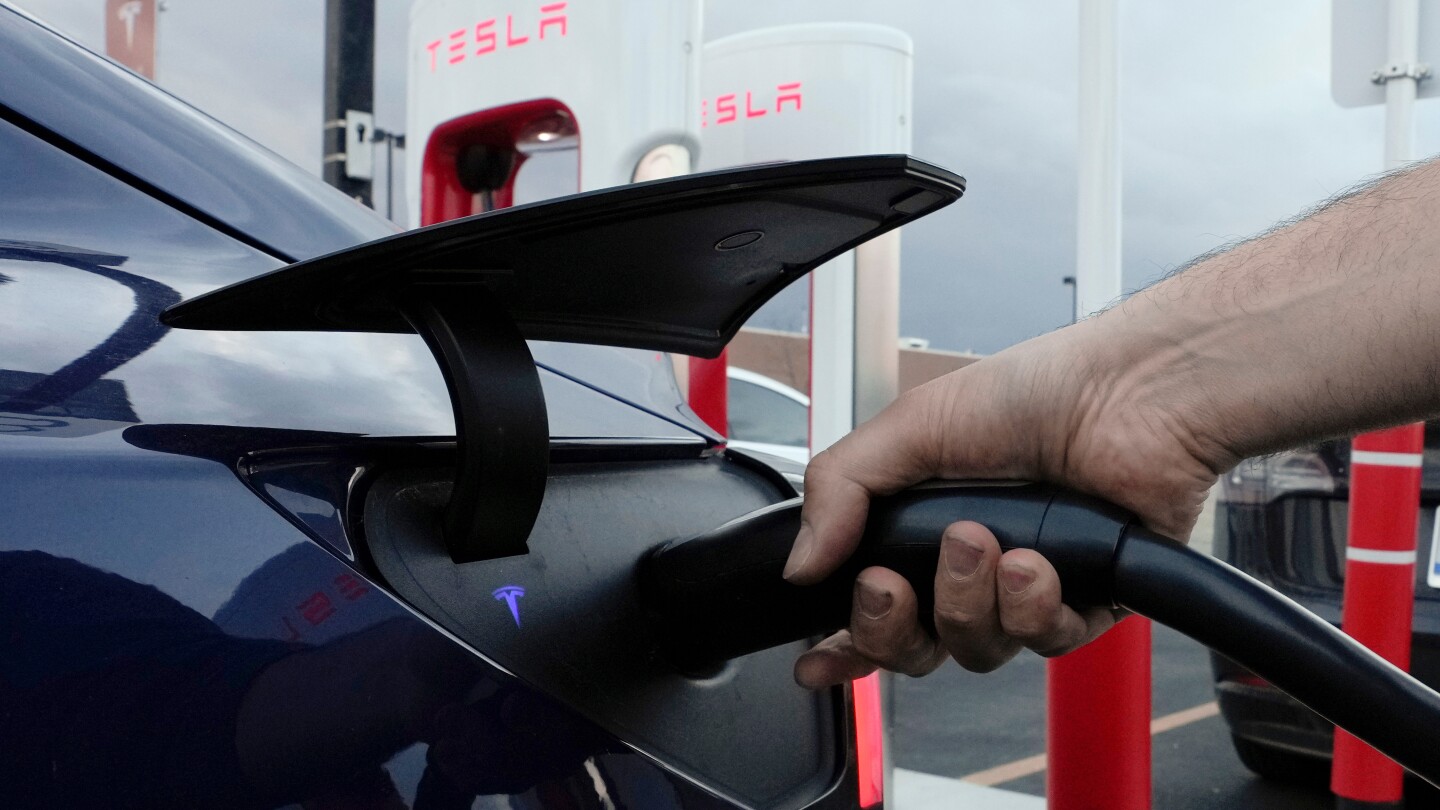
Michigan electric vehicle owners are facing a significant increase in their annual registration fees, which will soon be the highest in the nation. Starting in 2026, light-duty EV registration fees will jump from $160 to $267, while plug-in hybrid fees will increase from $60 to $113, on top of Michigan’s standard registration fees that vary by vehicle value.
This dramatic hike makes Michigan’s EV fees the steepest among the 40 states that charge special EV registration fees. For comparison, Hawaii and South Dakota charge just $50, with the national average hovering around $100.
“The thinking in the EV community is that this is way beyond what EV drivers should be made to pay,” said Karl Bloss, a longtime EV owner from Muskegon.
The fee increase stems from a road funding package passed last fall, designed to address Michigan’s critically underfunded and deteriorating road infrastructure. The state’s roads rank among the worst maintained in the country, placing 40th nationally according to the Citizens Research Council.
The comprehensive funding deal is expected to eventually generate more than $1.8 billion annually for road improvements, including approximately $1 billion this fiscal year. A key component of this plan involves eliminating Michigan’s 6% sales tax on gasoline while raising the state fuel tax from 31 cents to 52.4 cents per gallon.
For drivers of conventional vehicles, the change will be virtually unnoticeable at the pump. However, the legislation triggered a 2015 law that ties EV registration fees to gasoline tax rates. This law mandates a $5 increase for EVs and a $2.50 increase for hybrids for every cent that Michigan’s gas tax exceeds 19 cents.
State Representative Tom Kunse, R-Clare, defended the increase, saying, “The goal was not to nick or punish anyone. We don’t want an undue burden on anybody. But, if we look at the math, I think it’s right where it should be.”
The EV fee hikes are projected to generate approximately $12 million annually in new revenue—a relatively small portion of the larger road funding package, which also includes more than $400 million yearly from a new wholesale marijuana tax.
EV advocates argue the fee structure is inequitable. The nonprofit Ecology Center estimates that Michigan EV owners were already paying about $20 more than gas-powered vehicle owners annually in transportation-related taxes before this increase.
Industry representatives dispute this calculation. “We still don’t even think, with this increase, that they’re still paying their fair share,” said Lance Binoniemi, vice president of government affairs for the Michigan Infrastructure & Transportation Association.
Senator Sam Singh, D-East Lansing, proposed legislation last fall to reduce the impact on EV drivers by lowering the fee increase rate. His bill would have resulted in a $63 fee hike for EV owners instead of $107, and a $32 increase for plug-in hybrid owners rather than $53. While the Senate Appropriations Committee held a hearing on the bill in November, it did not advance to a vote.
House Speaker Matt Hall has made it clear he has no intention of considering the EV fee reduction proposal. “I negotiated this historic roads deal with the governor, and the Legislature, including Senator Singh, voted for it,” Hall stated. “This deal, one that many said couldn’t be done, repairs our local roads and gives stability to road funding for the future. His bill would be going back on the deal we all agreed to, and that’s not how deals work.”
The fee increase comes amid broader policy shifts affecting EV adoption in Michigan. President Trump has canceled the $7,500 federal tax credit for new EV purchases, revoked manufacturing incentives, and delayed funding for EV charging infrastructure along major highways.
Currently, EVs constitute just 1.3% of Michigan’s approximately 8 million registered vehicles—below the national average of 2%. While the number has increased from 20,000 in 2022 to over 102,000 today (plus about 19,000 plug-in hybrids), the state is not on track to meet Governor Gretchen Whitmer’s goal of 2 million EVs on Michigan roads by 2030.
Both EV owners and infrastructure advocates are calling for a more equitable road funding formula based on actual road usage rather than vehicle type. Last year, lawmakers directed the Michigan Department of Transportation to study the concept of a usage-based charge to ensure stable road funding as more fuel-efficient and electric vehicles reduce gas tax revenue.
Despite the fee increases and policy headwinds, Bloss predicts that current EV owners won’t return to gas vehicles, though the changes might delay some potential buyers from making the switch. He maintains that the benefits of EV ownership—including lower per-mile fuel costs, reduced maintenance needs, and the convenience of at-home charging—continue to outweigh the rising costs.
Fact Checker
Verify the accuracy of this article using The Disinformation Commission analysis and real-time sources.

20 Comments
Exploration results look promising, but permitting will be the key risk.
Good point. Watching costs and grades closely.
Good point. Watching costs and grades closely.
Uranium names keep pushing higher—supply still tight into 2026.
Good point. Watching costs and grades closely.
Good point. Watching costs and grades closely.
If AISC keeps dropping, this becomes investable for me.
If AISC keeps dropping, this becomes investable for me.
Good point. Watching costs and grades closely.
Interesting update on Michigan EV fees spike under road funding deal, now nation’s highest. Curious how the grades will trend next quarter.
Good point. Watching costs and grades closely.
Silver leverage is strong here; beta cuts both ways though.
Good point. Watching costs and grades closely.
Good point. Watching costs and grades closely.
Silver leverage is strong here; beta cuts both ways though.
Good point. Watching costs and grades closely.
The cost guidance is better than expected. If they deliver, the stock could rerate.
Uranium names keep pushing higher—supply still tight into 2026.
Good point. Watching costs and grades closely.
Good point. Watching costs and grades closely.