


Listen to the article
Maryland’s Key Bridge Replacement Costs Soar to $5.2 Billion, Completion Delayed to 2030
Maryland transportation officials have dramatically increased the estimated cost for replacing Baltimore’s Francis Scott Key Bridge, more than doubling previous projections to between $4.3 billion and $5.2 billion. The new timeline pushes the bridge’s reopening to late 2030, two years later than initially planned.
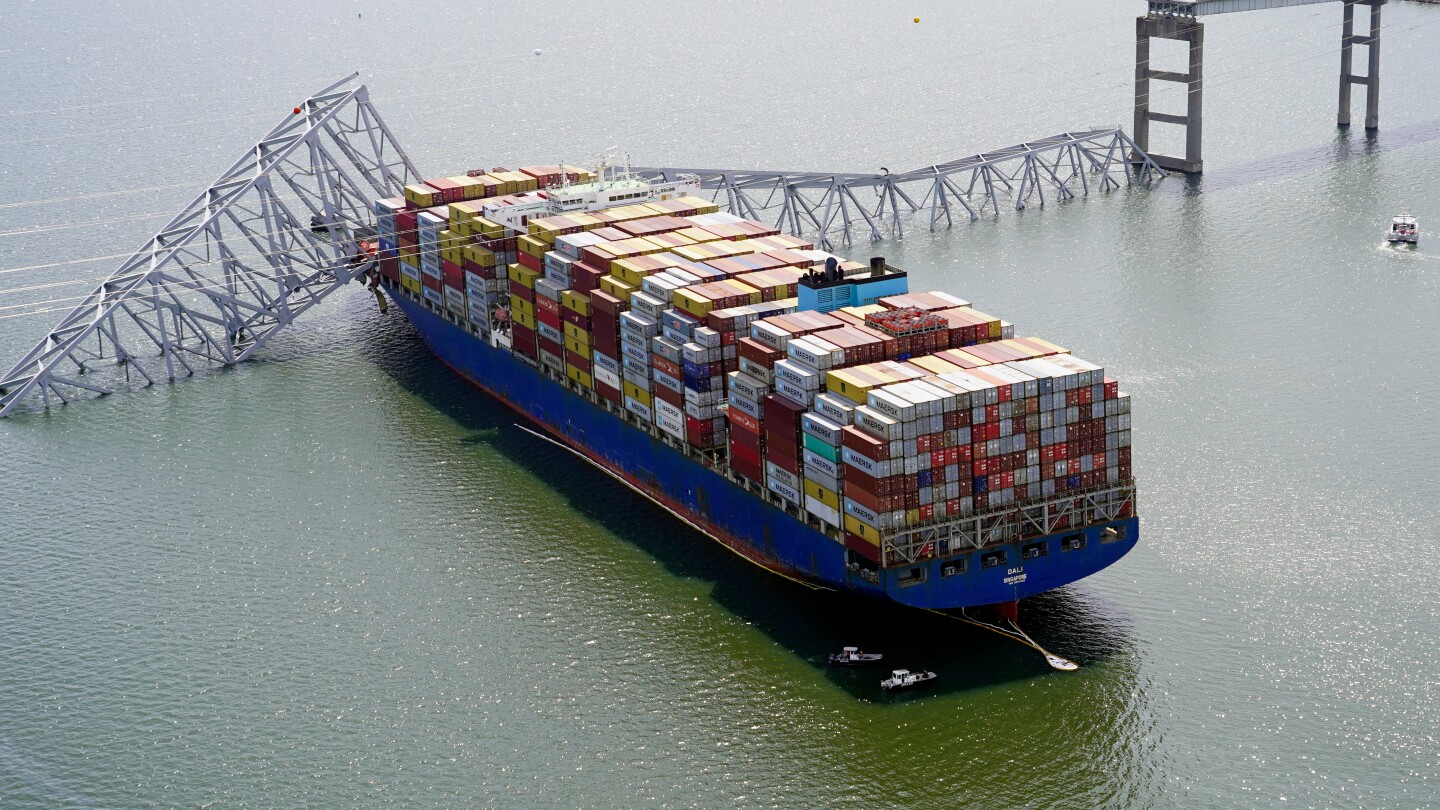
The Maryland Transportation Authority announced the revised figures Monday, a significant jump from earlier estimates of $1.9 billion with completion expected by late 2028. The iconic bridge collapsed in March 2023 after being struck by the container ship Dali, killing six construction workers who were repairing potholes on the span.
“As design has advanced and pre-construction work progresses, it became clear that material costs for all aspects of the project have increased drastically since the preliminary estimates were prepared less than two weeks after the initial tragedy,” explained Acting Transportation Secretary and MDTA Chair Samantha J. Biddle.
Officials cited several factors driving the cost increases, including deteriorating national economic conditions, rising material prices, and enhanced safety features. A major component of the revised plan includes a robust pier protection system designed to prevent future ship strikes—a direct response to the catastrophic collision that destroyed the original structure.
The announcement came just one day before the National Transportation Safety Board was scheduled to vote on its findings regarding the cause of the disaster. The NTSB meeting, set for Tuesday in Washington, was expected to determine the probable cause and issue safety recommendations based on its investigation.
Previous NTSB documents revealed investigators had discovered a loose cable that may have caused electrical problems on the Dali. The vessel lost power before veering off course and crashing into the bridge, setting off a catastrophic structural failure that was captured on video and made headlines worldwide.
The Key Bridge, which opened in 1977 after five years of construction, was a vital 1.6-mile steel span allowing traffic to bypass downtown Baltimore. Its loss has significantly disrupted regional transportation networks and port operations at one of the nation’s busiest shipping hubs.
Governor Wes Moore emphasized the bridge’s importance beyond local infrastructure: “The new Francis Scott Key Bridge isn’t just a local infrastructure project—it’s vital to our nation’s economy and will connect the Baltimore region to economies throughout the United States and the world.”
The governor also noted that the increased costs stem partly from federal design and resilience standards rather than discretionary choices by the state. He reassured taxpayers that Maryland “will continue to pursue litigation against those responsible, so taxpayers aren’t on the hook” for the full cost of replacement.
The dramatic increase in projected costs reflects broader challenges facing major infrastructure projects nationwide, including supply chain disruptions, labor shortages, and inflation in construction materials. The Key Bridge replacement represents one of the most significant emergency infrastructure projects currently underway in the United States.
Maritime experts note that the enhanced pier protection system, while adding to costs, addresses a critical vulnerability exposed by the disaster. The original bridge, like many constructed in its era, wasn’t designed with protections against impacts from today’s massive container vessels, which have grown substantially in size over recent decades.
The revised timeline means Baltimore will endure the economic and logistical impacts of the bridge’s absence for at least seven years from the date of collapse, presenting ongoing challenges for regional commerce and transportation planning.
Fact Checker
Verify the accuracy of this article using The Disinformation Commission analysis and real-time sources.

7 Comments
While the increased costs are unfortunate, it’s important to get this major bridge back in operation safely and reliably. The state should explore all options to control expenses without compromising quality or timeline.
Rebuilding critical infrastructure is never easy, but a 175% increase in costs is steep. Hopefully the state can find ways to control expenses and get the bridge back in service as soon as possible.
Agreed, the cost escalation is quite significant. Careful project management and oversight will be essential to keeping this project on budget and on schedule.
The cost overruns on the Key Bridge replacement project are concerning. With the new $5.2 billion price tag and 2-year delay, Maryland officials will need to closely manage the project to ensure it stays on track.
Replacing aging infrastructure is always a challenge, but the Baltimore bridge situation seems especially complex. I’m curious to know more about the specific factors driving the dramatic cost increases cited by officials.
Good point. The details around material costs, supply chain issues, and other factors contributing to the budget overrun would be helpful to understand the full picture here.
A 175% increase in the estimated cost to rebuild the Key Bridge is eye-opening. Effective project management will be critical to keeping this vital transportation link on track for the community.