


Listen to the article
Federal Judge Dismisses Salt-N-Pepa’s Lawsuit Against Universal Music Group
A federal judge has rejected pioneering hip-hop group Salt-N-Pepa’s legal attempt to reclaim ownership of their master recordings from Universal Music Group, dealing a significant blow to the artists’ rights case that has implications for the wider music industry.
In Thursday’s ruling, U.S. District Judge Denise Cote sided with UMG, concluding that Cheryl “Salt” James and Sandra “Pepa” Denton never owned the copyrights to their sound recordings in the first place, making it impossible for them to reclaim rights they didn’t possess.
“Plaintiffs can only terminate copyright transfers that they executed,” Judge Cote wrote in her decision. “None of the contracts identified by Plaintiffs indicate that they ever owned the Master Tapes.”
The case hinged on different interpretations of the original recording agreements. UMG maintained that the recordings were “works made for hire,” a legal classification that prevents artists from later reclaiming those rights. Salt-N-Pepa’s legal team argued their agreements explicitly stated the opposite.
Despite the decisive legal victory, Universal expressed an interest in reconciliation: “Even with the court’s complete rejection of their claims, we remain open and willing to find a resolution to the matter and turn the page so we can focus our efforts on working together to amplify Salt-N-Pepa’s legacy for generations to come.”
Representatives for Salt-N-Pepa immediately signaled they would challenge the decision, stating: “We disagree with the judge’s decision and fully intend to pursue our rights on appeal. We remain committed to vindicating and reclaiming our rights as creators under the Copyright Act.”
The Grammy-winning duo formed in 1985 in Queens, New York, and later added DJ Spinderella to the group, though she was not involved in the early agreements in question and is not part of this lawsuit. Their groundbreaking career began when they signed with Next Plateau Records, releasing their debut album “Hot, Cool & Vicious” in 1986. Next Plateau, originally an independent label, is now under Universal’s Republic label umbrella.
Salt-N-Pepa’s legal challenge cited the 1976 Copyright Act’s termination rights provision, which allows creators to reclaim ownership of their work after 35 years, regardless of previous contractual agreements. This provision was specifically designed to give artists a “second chance” at negotiating better terms after their work had proven its commercial value. However, Judge Cote determined there was no evidence that James and Denton had ever granted copyright to the label that they could now reclaim.
The duo’s cultural impact on music is undeniable. With hits like “Push It” (1987) and “Shoop” (1993), they broke barriers in the male-dominated hip-hop landscape. In 1995, they became the first female rap group to win a Grammy. Their legacy was further cemented in 2021 with a Grammy lifetime achievement award and in November 2023 when they received the Rock & Roll Hall of Fame’s Influence Award, following Missy Elliott as only the second female hip-hop act to be inducted.
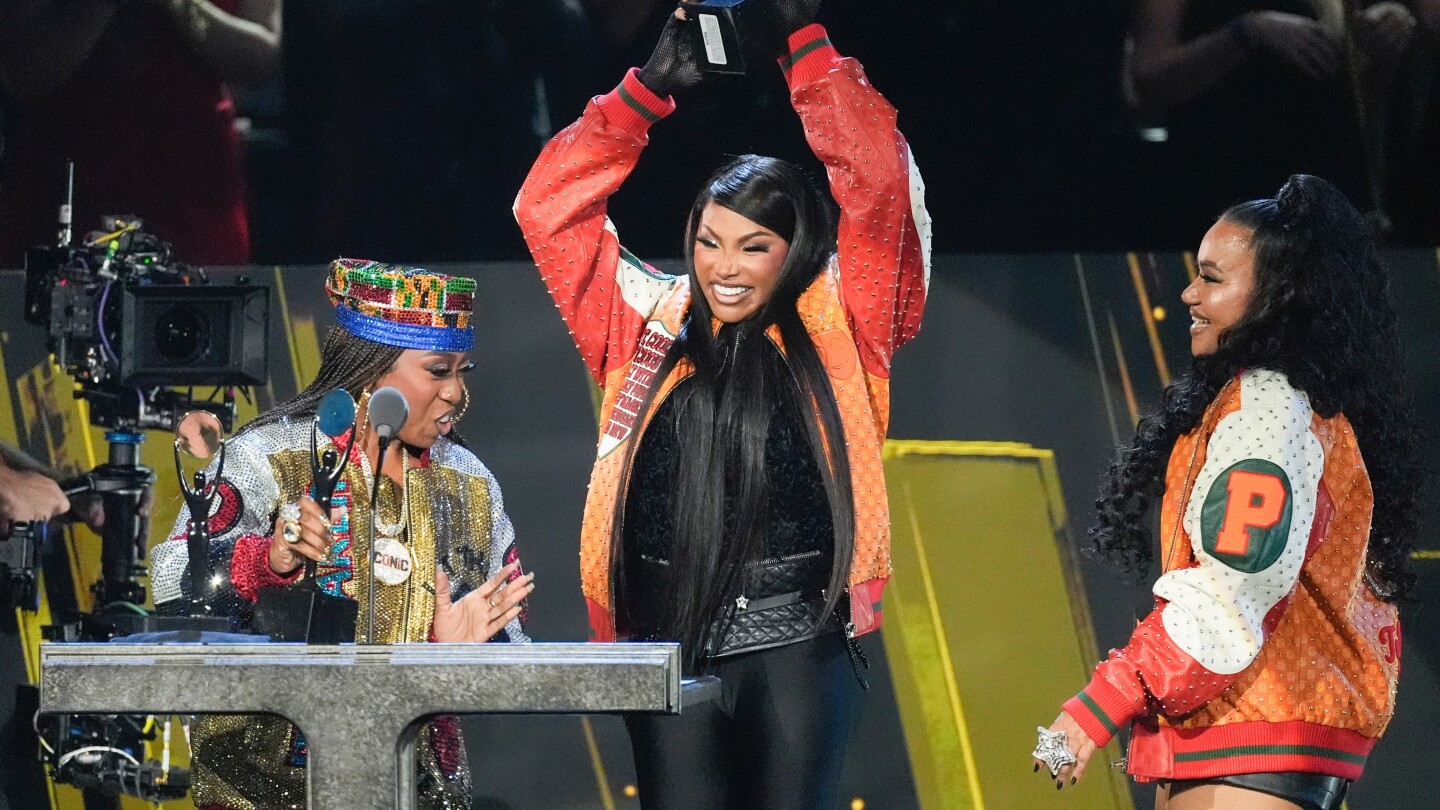
During their Hall of Fame induction ceremony, James referenced their ongoing legal battle, saying: “This is the Influence Award. We have to keep using our influence until the industry honors creativity the way the audience does — with love, respect and fairness.”
The case represents a significant chapter in the ongoing tension between recording artists and major labels over ownership rights. Similar disputes have emerged in recent years as the 35-year mark approaches for recordings from the late 1980s and early 1990s, a golden era for hip-hop that produced many commercially valuable catalogs.
The ruling could potentially influence other artists’ attempts to reclaim their master recordings, particularly those who signed deals during the same era under similar contractual terms.
Fact Checker
Verify the accuracy of this article using The Disinformation Commission analysis and real-time sources.

9 Comments
This case illustrates the complex and often unbalanced power dynamics in the music industry. While the judge’s decision may be technically correct, it underscores the importance of rethinking how artists’ interests are protected, especially when it comes to the ownership of master recordings.
It’s unfortunate that the court sided with Universal Music Group in this case. The music industry has a long history of exploiting artists, and this ruling highlights the need for stronger protections and more equitable contracts. Hopefully, this case will inspire further advocacy and change within the industry.
The music industry’s treatment of artist rights is a complex and contentious issue. While the judge’s ruling followed the letter of the law, it highlights the need for more equitable arrangements that better protect the interests of creative talent. This case could spur further scrutiny and reform efforts.
You make a good point. The legacy of exploitative contracts in the music industry is a long-standing problem that deserves more attention. Hopefully, this case will help motivate positive change, even if the immediate legal outcome was not what the artists had hoped for.
The dismissal of Salt-N-Pepa’s lawsuit is a setback, but it shouldn’t deter other artists from fighting for their rights. The music industry needs to evolve to better support and empower the creative talent that drives its success. This case could be a catalyst for important reforms down the line.
This is a disappointing ruling for Salt-N-Pepa. Artists should have more control over their master recordings, but the judge seems to have sided with the legal technicalities of the original contracts. It will be interesting to see if this case leads to any broader changes in the music industry’s treatment of artist rights.
It’s unfortunate that Salt-N-Pepa were unable to reclaim the rights to their master recordings. As pioneers of hip-hop, they deserve more control and ownership over their creative work. This ruling is a setback, but the broader fight for artist rights in the industry continues.
While the judge’s ruling aligns with the letter of the law, it highlights the need for reform in the music industry’s treatment of artists. Landmark cases like this one can spur important discussions and drive positive change, even if the immediate outcome is disappointing for the artists involved.
While the legal technicalities may have favored UMG in this case, the broader issue of artist rights and ownership of master recordings remains a critical concern in the music industry. This ruling is a disappointment, but it also underscores the importance of continued efforts to reform the system and empower creative talent.