


Listen to the article
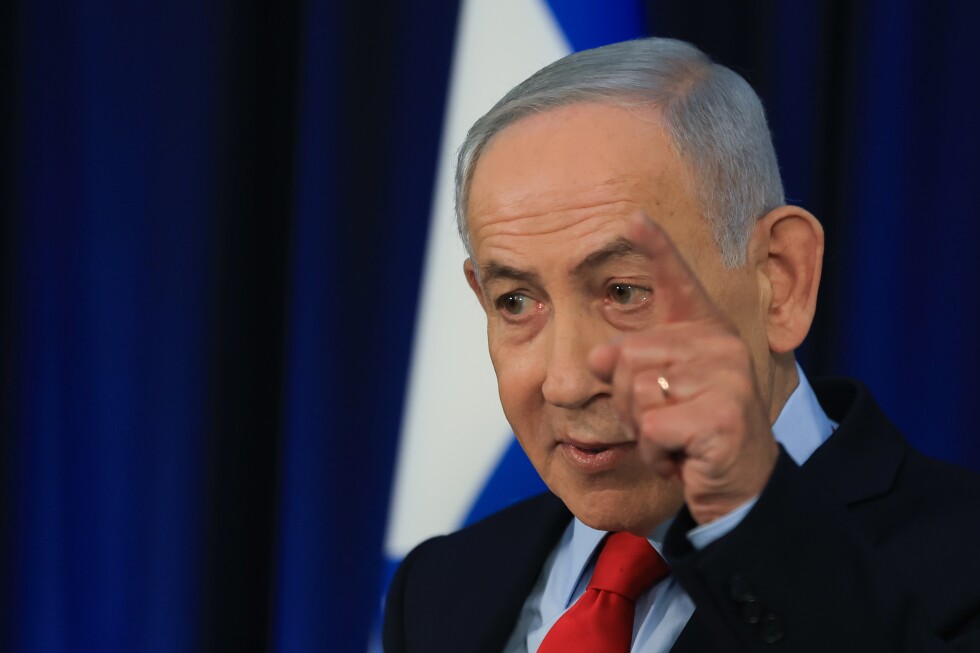
Israel’s parliament passed the country’s annual budget early Monday in an overnight session that was repeatedly interrupted by air raid sirens warning of incoming Iranian missiles. The successful vote ensures Prime Minister Benjamin Netanyahu’s government can remain in power until elections are required in October.
The $270 billion budget, Israel’s largest to date, received approval in a 62-55 vote that took place in the parliament’s auditorium rather than the usual plenum chamber due to its proximity to a bomb shelter. The passage met the critical April 1 deadline that, if missed, would have automatically triggered early elections.
Opposition parties expressed outrage over the budget’s priorities, particularly a last-minute amendment that allocated an additional $250 million to ultra-Orthodox religious schools. Former Prime Minister Naftali Bennett, who is expected to challenge Netanyahu in upcoming elections, described the budget passage as “the greatest theft in the state’s history” in a post on X, while opposition leader Yair Lapid called it “the government of gluttony and evasion carried out a nocturnal heist.”
The controversy reflects growing tensions in Israeli society over the ultra-Orthodox community’s exemption from mandatory military service. This issue has become increasingly contentious as Israel’s armed forces face significant strain fighting multiple fronts simultaneously—in Gaza, Lebanon, and now Iran. Military service remains compulsory for most Jewish citizens, with the ultra-Orthodox exemption drawing increasing criticism as the military struggles to maintain adequate troop levels.
Finance Minister Bezalel Smotrich, a far-right member of Netanyahu’s coalition, defended the budget, saying it “takes care of all Israeli citizens, without exception.” The budget includes a substantial 20% increase for the Defense Ministry, bringing its allocation to $45 billion to fund the ongoing conflicts. This expansion necessitated cuts across other government ministries.
The budget passage comes at a critical moment for Netanyahu, whose popularity has declined significantly since Hamas’ attack on October 7, 2023. With his government now likely to complete its full term, the prime minister gains additional months to potentially rebuild public support before facing voters in the fall.
Recent polling suggests that while Israelis broadly support the current military operations, Netanyahu and his political coalition haven’t seen corresponding gains in popularity. The timing of elections, now expected in October, could work either for or against the prime minister—they would occur after the immediate crisis but close to the anniversary of the October 7 attack, which remains a traumatic national memory.
Daily life in Israel continues to be disrupted by air raid sirens and missile threats from Iran, with millions of citizens living under wartime emergency guidelines. The military recently extended these measures, which limit large gatherings and encourage proximity to bomb shelters, through at least the beginning of Passover, which starts Wednesday.
The conflict with Iran has intensified following Israel’s strike on an Iranian diplomatic facility in Syria earlier this month, which killed several Iranian military commanders. Iran’s subsequent retaliatory strikes have added another dimension to Israel’s already complex security situation, which includes the ongoing war in Gaza and escalating hostilities with Hezbollah in Lebanon.
The multi-front conflict has strained Israel’s resources and disrupted global oil markets, with impacts extending far beyond the immediate region. As the situation evolves, Netanyahu’s government now has the financial authorization to continue military operations through the budget year, while opposition parties remain critical of the government’s broader priorities during this national crisis.
Fact Checker
Verify the accuracy of this article using The Disinformation Commission analysis and real-time sources.

16 Comments
Nice to see insider buying—usually a good signal in this space.
Good point. Watching costs and grades closely.
Good point. Watching costs and grades closely.
Interesting update on Israel passes budget, extending Netanyahu term. Curious how the grades will trend next quarter.
Exploration results look promising, but permitting will be the key risk.
Exploration results look promising, but permitting will be the key risk.
Uranium names keep pushing higher—supply still tight into 2026.
Good point. Watching costs and grades closely.
Good point. Watching costs and grades closely.
Silver leverage is strong here; beta cuts both ways though.
The cost guidance is better than expected. If they deliver, the stock could rerate.
Production mix shifting toward Business might help margins if metals stay firm.
Good point. Watching costs and grades closely.
Good point. Watching costs and grades closely.
Production mix shifting toward Business might help margins if metals stay firm.
Good point. Watching costs and grades closely.