


Listen to the article
Iran Escalates Tensions in Strait of Hormuz, Seizing Three Ships Amid Fragile Ceasefire
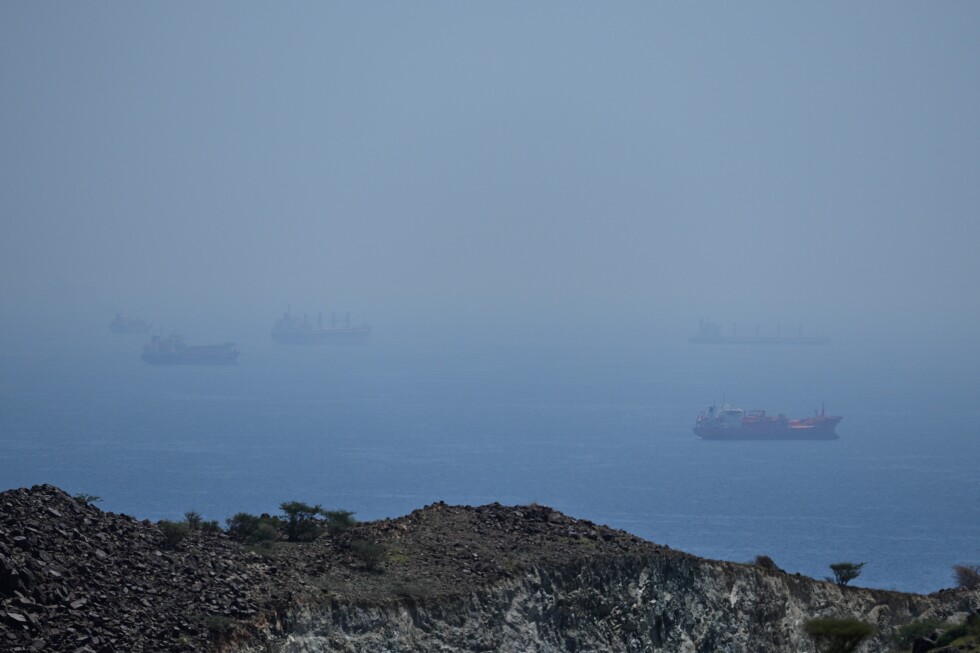
Iran’s paramilitary Revolutionary Guard fired upon and seized three commercial vessels in the Strait of Hormuz on Wednesday, heightening tensions in a critical maritime chokepoint that handles 20% of the world’s oil and natural gas shipments. The aggressive action comes despite President Donald Trump’s announcement that the United States would extend its ceasefire with Iran indefinitely.
The British military’s United Kingdom Maritime Trade Operations Center reported that the first ship came under attack Wednesday morning, with a Revolutionary Guard gunboat opening fire without warning. Shortly after, a second vessel was targeted. Iranian state television later confirmed that both ships—identified as the MSC Francesca and the Epaminodes—were in Revolutionary Guard custody and being transported to Iranian territory.
Iranian news agencies subsequently reported that a third vessel, the Euphoria, was also seized after allegedly becoming “stranded” on Iran’s coast. While Iranian media claimed the Guard only fired after the ships ignored warnings, the UKMTO stated that at least one vessel received no communication before being attacked. No injuries were reported in the incidents.
These seizures represent a significant escalation by Tehran, occurring just as the U.S.-declared ceasefire extension was set to take effect. The timing suggests Iran’s leadership is positioning for stronger leverage in potential negotiations with American officials, especially after previous talks failed to produce lasting agreements.
The maritime confrontation underscores the ongoing economic threat posed by the conflict, even as major direct attacks between Iran and the U.S.-Israeli alliance have temporarily paused. Trump’s ceasefire extension comes with a critical caveat—American forces will continue blockading Iranian ports, a condition Tehran finds unacceptable for resuming diplomatic talks.
“No delegation would go to Pakistan until the U.S. lifts its blockade,” stated Mojtaba Ferdousi Pour, head of the Iranian mission in Egypt, referring to Pakistan’s role as a mediator in the conflict. Pakistani officials, speaking anonymously, confirmed they are still waiting for Tehran’s response on scheduling another round of negotiations.
The disruption of maritime traffic through the Strait of Hormuz continues to reverberate through global markets. Brent crude oil prices have surged to over $98 per barrel—a 35% increase since hostilities began on February 28 with U.S. and Israeli airstrikes on Iran. The longer these tensions persist, the more severe the economic consequences will become worldwide, affecting not just energy prices but also food costs and supply chains across numerous industries.
Iran appears determined to maintain its strategic advantage in controlling this vital waterway. The Revolutionary Guard issued a statement Wednesday vowing to “deliver crushing blows beyond the enemy’s imagination to its remaining assets in the region.” The previous night, Iran’s theocracy organized rallies displaying missiles and launchers, demonstrating defiance toward Israel and the U.S., which had targeted the country’s ballistic missile arsenal during their air campaign.
The broader regional conflict remains volatile. In Lebanon, where fighting between Israel and Iran-backed Hezbollah erupted following the initial U.S.-Israeli strikes, a reported Israeli drone strike killed one person and wounded two others in the village of Jabbour on Wednesday, according to Lebanon’s National News Agency. Israel’s military denied conducting the attack. This incident occurs despite a 10-day ceasefire that began last Friday but has seen multiple violations from both sides.
The human toll of the conflict continues to mount. Iranian authorities report at least 3,375 deaths in their country since the war began. Lebanon has suffered more than 2,290 casualties, while Israel has recorded 23 civilian deaths. Fifteen Israeli soldiers in Lebanon and 13 U.S. service members throughout the region have been killed. Gulf Arab states have also reported casualties, with over a dozen deaths.
As tensions persist in the strategically vital waterway, the international shipping community faces difficult decisions about navigating the region. More than 30 attacks on vessels have occurred since the conflict began, creating a significant deterrent for commercial shipping. Without a diplomatic breakthrough that addresses both the naval blockade and Iran’s maritime aggression, the disruption to global energy markets and supply chains is likely to worsen in the coming weeks.
Fact Checker
Verify the accuracy of this article using The Disinformation Commission analysis and real-time sources.

11 Comments
This incident in the Strait of Hormuz is highly concerning. The free flow of maritime traffic through this vital global trade route is crucial for the supply of key commodities like oil, natural gas, and minerals. Iran’s aggressive actions against commercial vessels raise serious questions about the security of shipping in the region and could have significant economic impacts.
The Strait of Hormuz is a critical global chokepoint for energy and commodity trade. Iran’s seizure of commercial vessels there is a worrying escalation that could disrupt the supply of essential raw materials. Diplomatic solutions to de-escalate tensions and ensure the uninterrupted passage of ships through this strategic waterway should be a top priority.
The Strait of Hormuz is a vital chokepoint for global energy and commodity trade. Iran’s aggressive actions against commercial vessels there raise worrying questions about the security of maritime operations in the region. This incident could have far-reaching implications for the mining and energy sectors.
Iran’s actions in the Strait of Hormuz are a troubling escalation that could have serious implications for global commodity markets. The free and secure movement of ships through this strategic chokepoint is essential for the mining, metals, and energy sectors. Effective diplomatic efforts to resolve this crisis are needed.
Iran’s actions in the Strait of Hormuz are deeply concerning. This strategic chokepoint is essential for global energy and commodity trade, and any disruption to shipping there could have far-reaching economic consequences, particularly for the mining, metals, and energy sectors. Effective diplomatic efforts to resolve this crisis are urgently needed.
Iran’s seizure of commercial vessels in the Strait of Hormuz is an alarming escalation of tensions in a strategically vital region for global energy and commodity trade. Maintaining the security and uninterrupted flow of maritime traffic through this chokepoint is essential for the mining, metals, and energy sectors.
I agree, this is a very concerning development. The Strait of Hormuz is a critical global trade route, and any disruption to shipping there could have far-reaching consequences for the supply of key raw materials. Diplomatic solutions to de-escalate the situation and ensure the free passage of vessels should be a top priority.
Seizures of commercial vessels in the Strait of Hormuz are a serious escalation. Iran needs to respect international law and the freedom of navigation. This could potentially disrupt the supply of key commodities like oil, natural gas, and minerals that are essential for the global economy.
I agree, the situation is very concerning. Maintaining the security of the Strait of Hormuz is crucial for global energy and trade flows. Diplomatic efforts to de-escalate tensions and ensure the safe passage of ships through this strategic waterway should be a top priority.
This is a troubling development. The Strait of Hormuz is a critical global trade route, and any disruptions to shipping there could significantly impact the supply of key commodities like oil, natural gas, and metals. Diplomatic efforts to de-escalate tensions and ensure freedom of navigation in the region are crucial.
This is concerning news. The Strait of Hormuz is a critical global trade chokepoint, and any disruption to shipping in the region could have serious economic consequences. It’s important that all parties de-escalate tensions and ensure the free flow of maritime traffic.