


Listen to the article
In a small waterfront community in southeast Wisconsin, 27-year-old wealth manager Quintin Sharpe believes in the importance of supporting those in need. Beyond his regular volunteer work with local food pantries and his parents’ nonprofit music school, Sharpe found himself turning to crowdfunding last year when a former classmate’s father was severely injured in a motor vehicle accident.
“Crowdfunding can be a little bit more expedient because there’s less reporting,” Sharpe explained. “Funds are going directly to one site. It doesn’t have to go through a board, doesn’t have to get approval from a lot of people.”
Sharpe represents approximately 20 percent of American adults who donated to a crowdfunding campaign last year, according to a new poll from The Associated Press-NORC Center for Public Affairs Research. The survey highlights how online donation platforms have evolved into convenient mechanisms for addressing financial needs ranging from emergency medical treatments to community projects.
Medical expenses emerged as the most common reason people give to crowdfunding campaigns. About 40 percent of those who donated last year supported health-related causes, reflecting widespread concerns about healthcare affordability in the United States.
Jeremy Snyder, a bioethicist specializing in medical crowdfunding research, points to the persistent gap between insurance coverage and actual healthcare costs. “Costs keep going up,” he noted. “Coverage is still a struggle and probably getting worse.” Snyder fears the recent expiration of enhanced tax credits for Affordable Care Act enrollees may drive even more patients to seek financial help through crowdfunding platforms.
Memorials and funeral expenses ranked as the second most common crowdfunding category, followed by basic necessities, veterinary care, and natural disaster relief.
The poll revealed that most crowdfunding donors give modest amounts. About 60 percent of donors contributed $50 or less in their most recent donation, underscoring how these platforms rely on mobilizing large networks of small-dollar contributors to reach campaign goals.
For California resident Karla Galdamez, her first crowdfunding experience came when a fellow educator died by suicide. “The word spreads pretty fast like that,” Galdamez said. “Then people start sending each other links. And it works.”
Despite the growing popularity of these platforms, Americans express significant skepticism about certain aspects of crowdfunding. Only 44 percent of adults feel at least somewhat confident that crowdfunding sites charge reasonable service fees.
“I just think it’s kind of crappy that people are in need and they charge a service fee,” said 68-year-old Maria Barrett. “There ought to be a way to do that without it. But I guess there isn’t.”
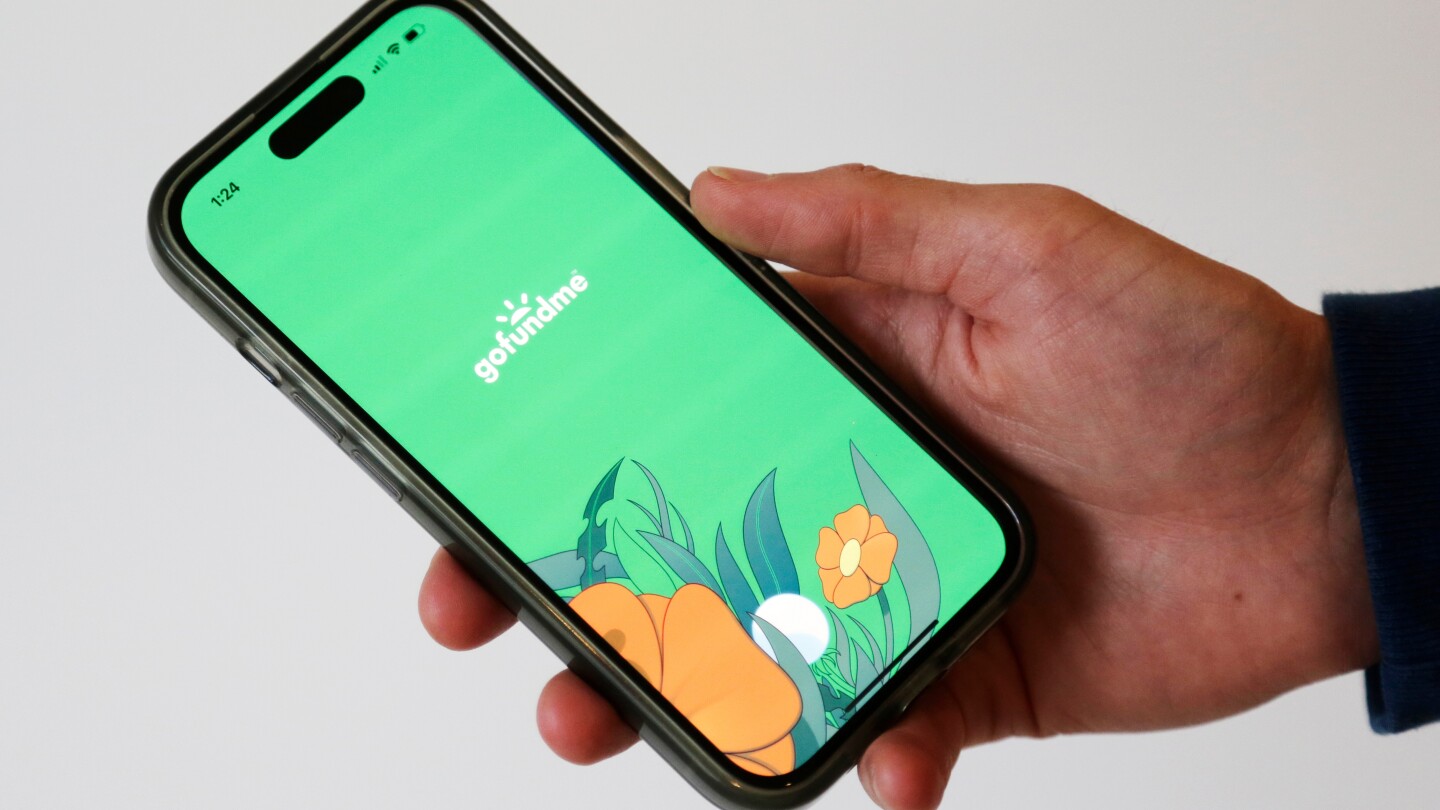
Major platforms like GoFundMe maintain they only charge transaction processing fees—typically around 2.9 percent plus 30 cents per donation—rather than mandatory platform fees. GoFundMe also solicits optional tips from donors. Christian alternative GiveSendGo employs a similar fee structure of 2.7 percent plus 30 cents per transaction.
“GoFundMe’s model is intentionally designed to ensure the maximum amount of help goes directly to the people and nonprofits who need help, while giving donors the choice of whether to contribute anything additional for our services,” stated Sarah Peck, GoFundMe’s vice president of communications.
Beyond fee concerns, Americans express doubts about campaign legitimacy. While more than half of adults are at least somewhat confident that people seeking funds genuinely need assistance and will use donations responsibly, only about 10 percent express high levels of confidence in these areas.
New Jersey resident Barrett approaches crowdfunding campaigns with cautious optimism. She donates when she personally knows the organizers or can verify the legitimacy of their situations. She recently supported a woman with brain cancer because her son went to high school with the patient’s partner. She also donated to a local family who survived a house fire in her town.
Barrett has witnessed crowdfunding’s effectiveness firsthand. After her son’s death, her daughter-in-law received “more money than I could ever imagine” through a campaign started on the family’s behalf.
However, Barrett expressed concern about the underlying societal issues that make crowdfunding necessary. “I just wish it wasn’t so difficult for people to get help in this country without having to crowdsource,” she said. “One illness can wipe out a family. One death can wipe out a family. And that just doesn’t seem right in this country that’s supposed to be the best country in the world.”
The AP-NORC poll surveyed 1,146 adults between December 4-8 using a probability-based sample, with a margin of error of plus or minus 4 percentage points.
Fact Checker
Verify the accuracy of this article using The Disinformation Commission analysis and real-time sources.

14 Comments
It’s interesting to see how crowdfunding has evolved as a mechanism for addressing financial needs, especially for medical expenses. This poll highlights the growing role of these online donation platforms in modern philanthropy.
Yes, the poll results show how crowdfunding has become a popular way for people to support causes and help those in need, particularly when it comes to unexpected medical costs.
It’s interesting to see how crowdfunding platforms like GoFundMe have become a go-to option for addressing a range of financial needs, from medical emergencies to community projects. The poll results highlight both the benefits and potential pitfalls of this approach.
The poll findings illustrate how crowdfunding has become a mainstream way for people to support causes they care about, especially when it comes to unexpected medical expenses. However, the lack of oversight is a valid concern that donors should keep in mind.
Agreed, the convenience and direct nature of crowdfunding can be appealing, but the potential for misuse is something donors need to be mindful of. Thorough research is key before contributing to any campaign.
Crowdfunding can be a helpful way for people to quickly raise funds for unexpected medical emergencies or community projects. However, it’s important to ensure the campaigns are legitimate and the money goes to the intended recipients.
Agreed, crowdfunding platforms provide a convenient way for people to support causes they care about. But it’s crucial to do some research to verify the legitimacy of the campaign before donating.
Crowdfunding can be a useful tool, but the lack of oversight and reporting requirements is concerning. Donors need to be vigilant about verifying the legitimacy of campaigns before contributing, to avoid potential misuse of funds.
Absolutely, that’s a good point. The ease and speed of crowdfunding comes with risks that donors should be aware of. Thorough vetting is crucial to ensure donations are used as intended.
Crowdfunding platforms have become a common way for people to support causes they care about, particularly when it comes to unexpected medical expenses. While the convenience is a draw, the lack of oversight is a valid concern that donors should keep in mind.
It’s interesting to see how crowdfunding platforms have become a popular mechanism for addressing financial needs, particularly when it comes to medical expenses. While the convenience is appealing, the lack of oversight is a valid concern that donors should consider.
The convenience and direct nature of crowdfunding campaigns can make them appealing, but it’s important to exercise caution. Donors should research campaigns carefully to ensure their contributions are going to legitimate and responsible recipients.
The poll results highlight the growing role of crowdfunding in modern philanthropy, with a significant number of Americans using these platforms to support a range of causes. However, the potential for misuse underscores the importance of donor due diligence.
Absolutely, the convenience and speed of crowdfunding can be appealing, but donors need to exercise caution and verify the legitimacy of campaigns before contributing to ensure their donations are used as intended.