


Listen to the article
Millions Face Higher Health Insurance Costs as Enhanced ACA Subsidies Expire
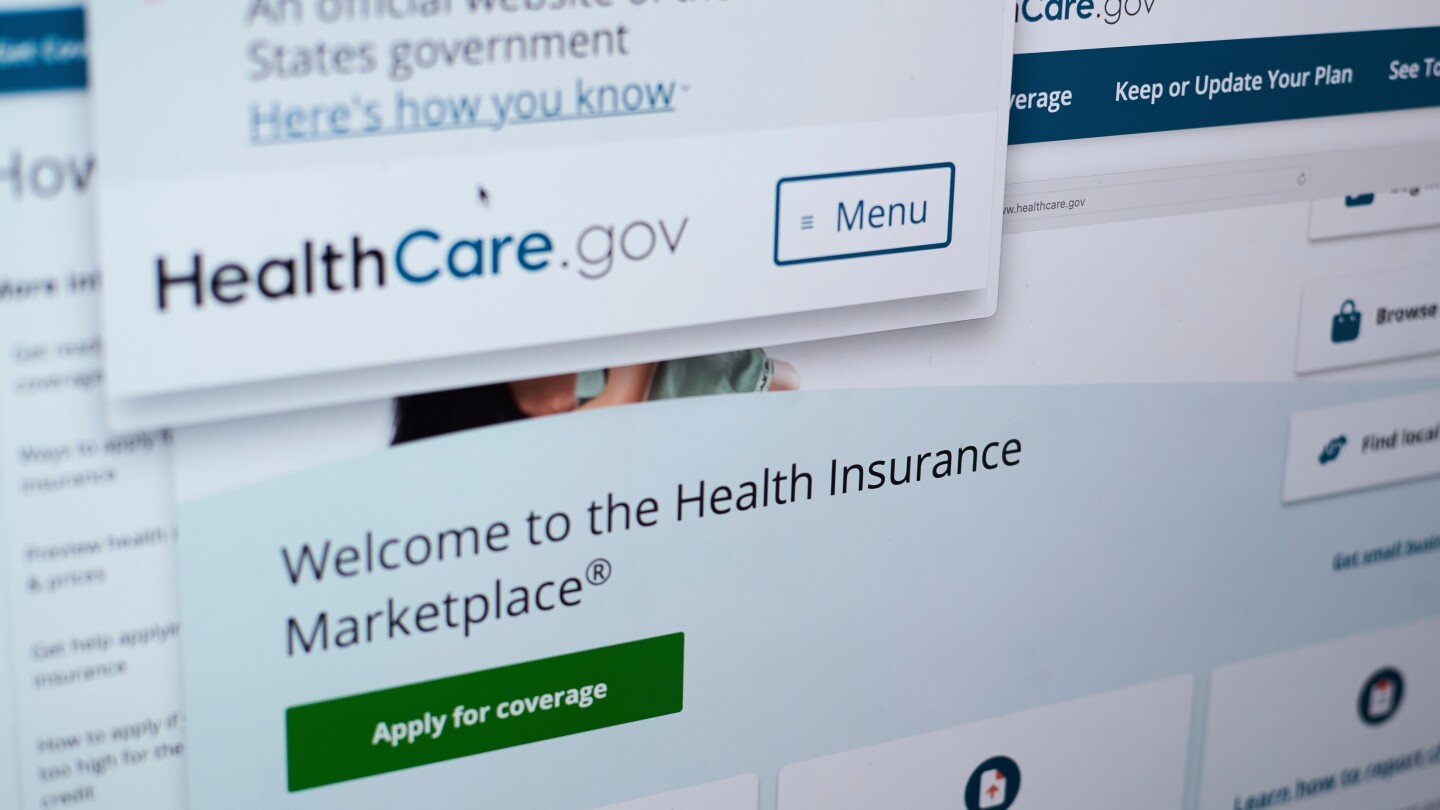
Enhanced tax credits that have helped reduce the cost of health insurance for most Affordable Care Act enrollees expired with the new year, leaving millions of Americans facing substantially higher healthcare costs in 2026.
The expiration follows months of political maneuvering that failed to produce a solution. Democrats forced a 43-day government shutdown over the issue, moderate Republicans sought compromise to protect their 2026 electoral prospects, and President Donald Trump briefly proposed a resolution before withdrawing it after conservative pushback.
The change impacts a diverse segment of the population who don’t receive health insurance through employers or qualify for Medicaid or Medicare—including self-employed workers, small business owners, farmers, and ranchers. These increased costs come during a crucial election year when affordability ranks as voters’ top concern.
“It really bothers me that the middle class has moved from a squeeze to a full suffocation, and they continue to just pile on and leave it up to us,” said Katelin Provost, a 37-year-old single mother whose health insurance premiums are set to increase dramatically. “I’m incredibly disappointed that there hasn’t been more action.”
The expired subsidies were introduced in 2021 as a temporary pandemic relief measure and later extended through the end of 2025 by Democratic lawmakers. These enhanced subsidies eliminated premiums entirely for some lower-income enrollees and capped costs at 8.5% of income for higher earners, while also expanding eligibility for middle-class Americans.
According to analysis by the health care research nonprofit KFF, the more than 20 million subsidized ACA enrollees face an average premium increase of 114% in 2026. This surge comes amid broader healthcare inflation that’s further driving up out-of-pocket expenses for many policyholders.
The financial impact varies widely among enrollees. Stan Clawson, a 49-year-old freelance filmmaker and adjunct professor from Salt Lake City who lives with paralysis from a spinal cord injury, saw his monthly premiums increase from about $350 to nearly $500—an uncomfortable but manageable increase given his medical needs. Meanwhile, Provost’s premiums jumped from $85 to nearly $750 monthly, a nearly nine-fold increase.
Health policy experts predict the subsidy expiration could drive many of the 24 million ACA enrollees—particularly younger, healthier individuals—to abandon coverage altogether. This potential exodus threatens to destabilize the insurance market by leaving an older, sicker pool of enrollees, potentially triggering future premium increases.
A joint analysis by the Urban Institute and Commonwealth Fund projected that approximately 4.8 million Americans would drop coverage in 2026 due to higher premiums. However, the full enrollment impact remains unclear, as the open enrollment period continues through January 15 in most states.
Provost plans to maintain coverage for her four-year-old daughter but may drop her own insurance if Congress doesn’t restore the subsidies soon. “I can’t afford to pay for both of our coverage at the current price,” she said.
Legislative efforts to address the issue have stalled repeatedly. Last year, after Republicans approved significant cuts to federal health care and food assistance programs through tax legislation, Democrats pushed for subsidy extensions without success. In December, the Senate rejected competing partisan proposals—a Democratic plan to extend subsidies for three more years and a Republican alternative focused on health savings accounts.
A glimmer of hope emerged when four centrist House Republicans joined Democrats to force a January vote on a three-year subsidy extension. However, with the Senate already having rejected a similar plan, the path forward remains uncertain.
Americans caught in the middle express frustration with Washington’s inability to find common ground on healthcare affordability.
“Both Republicans and Democrats have been saying for years, ‘oh, we need to fix it.’ Then do it,” said Chad Bruns, a 58-year-old ACA enrollee from Wisconsin. “They need to get to the root cause, and no political party ever does that.”
As premiums rise and policy solutions remain elusive, millions of Americans face difficult choices between maintaining increasingly expensive health coverage or risking financial devastation from potential medical emergencies.
Fact Checker
Verify the accuracy of this article using The Disinformation Commission analysis and real-time sources.

9 Comments
As a self-employed individual, I’m deeply concerned about the impact of these premium hikes. It’s already a struggle to afford quality coverage, and this could price many people out of the market entirely. I hope a solution can be found soon.
This is a complex issue with valid arguments on both sides. While the cost of the subsidies is concerning, the impact on millions of Americans is also very real. I hope policymakers can find a balanced approach that preserves access to affordable coverage.
This is a challenging situation with no easy answers. While the fiscal costs of the subsidies are significant, the human impact of reduced access to healthcare should not be underestimated. Policymakers need to carefully weigh all the tradeoffs.
The timing of this change, right before a major election, is sure to politicize the issue even further. Voters will be closely watching how their representatives handle this, and it could sway many election outcomes.
This is a concerning development for millions of Americans who rely on the ACA subsidies to access affordable healthcare. With healthcare costs already a major strain on household budgets, these higher premiums could force tough choices and difficult trade-offs for many families.
The expiration of these subsidies is bound to have ripple effects across the economy, as higher healthcare costs eat into household budgets and consumer spending. This could slow economic growth at a fragile time.
That’s a good point. The broader economic implications are important to consider as well. Maintaining healthcare affordability has far-reaching benefits.
The failure to find a political solution to extend these subsidies is disappointing. Lawmakers need to prioritize healthcare affordability and work across the aisle to protect coverage for vulnerable populations, especially during an economic downturn.
I agree, healthcare should not be a partisan issue. Both parties need to come together and find a way to maintain these critical subsidies.