


Listen to the article
Guatemala’s Arévalo Appoints New Attorney General, Ending Contentious Battle with Porras
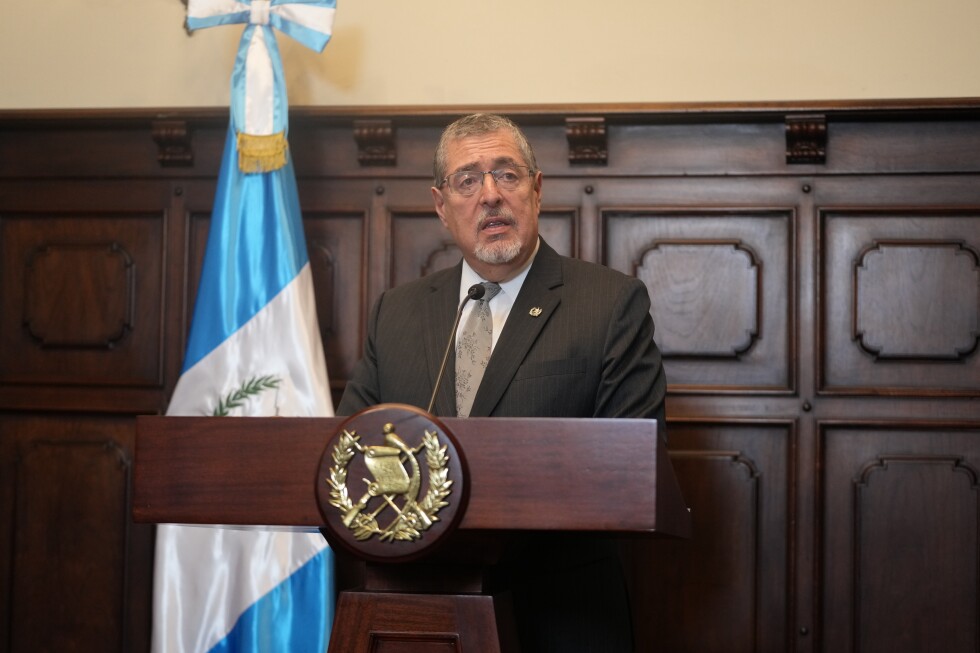
Guatemalan President Bernardo Arévalo appointed lawyer Gabriel Estuardo García Luna as the country’s new attorney general on Tuesday, concluding a lengthy and bitter struggle with outgoing prosecutor Consuelo Porras, whose office had repeatedly attempted to prevent Arévalo from taking office.
The appointment marks a significant victory for the anti-corruption progressive president who has frequently accused prosecutors of corrupting Guatemala’s justice system and making politically motivated arrests against opponents.
“The Public Ministry is getting a new authority who does not come to serve a president, the government of the day, or particular or spurious political interests,” Arévalo stated during a national address announcing the appointment, which takes effect May 17 when Porras’ term ends.
García Luna, 49, brings 22 years of professional experience to the role and holds doctoral-level legal studies. Arévalo selected him from a shortlist of six candidates submitted by a nominating commission comprised of the Supreme Court president, law school deans from across the country, and representatives from the national bar association. The commission had reviewed 48 applications before narrowing down their recommendations.
The appointment comes after a tumultuous period in which Porras had become a deeply controversial figure in Guatemalan politics. She has been sanctioned by 40 countries for allegedly obstructing anti-corruption efforts, with critics accusing her of weaponizing the prosecutor’s office against political opponents, journalists, former justice officials, and even President Arévalo himself.
Since Arévalo’s election victory last year, Porras’ office has aggressively pursued his Seed Movement party, claiming irregularities in how it gathered signatures to register as a political entity. Her investigators raided party offices, seized and opened ballot boxes, and made multiple attempts to strip the president of his immunity from prosecution.
Arévalo has maintained that Porras was acting to protect powerful corrupt interests in Guatemala who feared his campaign promise to root out endemic corruption in the country’s institutions.
In Guatemala’s political system, the attorney general operates independently from the executive branch, meaning presidents can find themselves working alongside hostile chief law enforcement officers. This institutional arrangement has created significant governance challenges, particularly when the office becomes embroiled in political conflicts.
The prosecution service has faced allegations of corruption for years, with Porras’ tenure bringing international scrutiny to the institution. The United States and European nations have been particularly critical of her actions, viewing them as detrimental to democratic processes and the rule of law in Guatemala.
The transition to García Luna’s leadership represents an opportunity to restore credibility to the Public Ministry, which has suffered reputational damage during Porras’ controversial tenure. Observers will be watching closely to see whether the office can regain public trust and operate with the independence and integrity expected of a national prosecution service.
For Arévalo, who campaigned on promises of institutional reform and anti-corruption measures, having a prosecutor who is not actively working against his administration could prove crucial to advancing his policy agenda. His administration has faced significant resistance from entrenched political and economic interests since taking office.
The appointment comes at a critical juncture for Guatemala, as the country continues to grapple with challenges including high poverty rates, violence, and migration pressures, all exacerbated by institutional corruption that has hampered effective governance for decades.
Fact Checker
Verify the accuracy of this article using The Disinformation Commission analysis and real-time sources.

10 Comments
This transition in Guatemala’s attorney general position could have significant implications for the mining and extractives sector, which has long faced allegations of corruption and environmental abuses. I’m curious to see if the new leadership brings more transparency and accountability to this industry.
This transition in Guatemala’s attorney general position is an important step, but the real challenge will be in ensuring the new leadership can effectively investigate and prosecute corruption, particularly in the mining and extractives sectors. Maintaining independence and upholding the law will be crucial for the new AG.
This situation in Guatemala underscores the importance of having an impartial and empowered justice system, especially when it comes to investigating corruption and abuse of power. The new attorney general will face a steep challenge in restoring public confidence and rooting out entrenched interests.
The struggle over the attorney general position in Guatemala highlights the complex political dynamics at play. Replacing a controversial figure like Consuelo Porras could pave the way for a more independent and effective prosecutor, but success will depend on the new AG’s commitment to upholding the law fairly.
Interesting developments in Guatemala’s political landscape. Replacing the attorney general after a long power struggle signals a potential shift towards greater accountability and anti-corruption efforts. It will be important to monitor how the new appointee approaches the role and any impacts on the justice system.
Replacing the attorney general in Guatemala is a significant move, but the real test will be in how the new appointee handles sensitive cases and navigates the complex web of political interests. Restoring faith in the rule of law is critical, and the success or failure of this transition will have far-reaching implications.
The appointment of a new attorney general in Guatemala is an intriguing development, particularly given the country’s history of struggles over control of the justice system. It will be important to monitor whether the new leadership can deliver on promised anti-corruption efforts and maintain independence from political interference.
The appointment of a new attorney general in Guatemala is an important step, but the real test will be how they handle politically sensitive cases and maintain the independence of the office. Curbing corruption in the justice system is a complex challenge that requires sustained commitment.
You raise a good point. Ensuring the new attorney general remains impartial and resists political pressure will be crucial. Their actions and decisions in the coming months will be closely watched both domestically and internationally.
While the appointment of a new attorney general is a positive development, the real challenge will be in following through on anti-corruption efforts and restoring public trust in the justice system. Guatemalans will be closely monitoring the new AG’s actions and adherence to the rule of law.