


Listen to the article
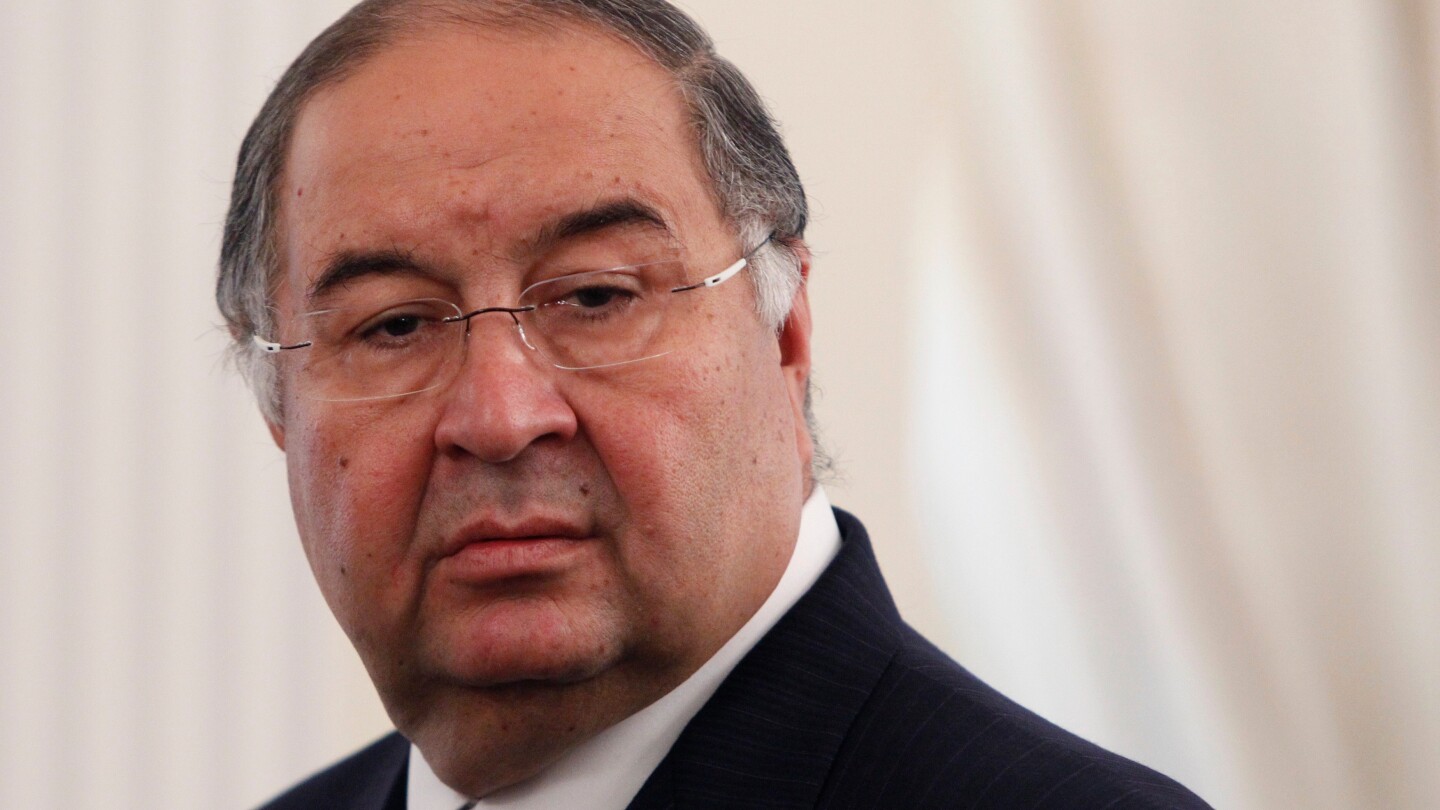
German authorities will drop an investigation into Russian billionaire Alisher Usmanov after he agreed to pay a substantial fine, prosecutors in Munich announced Tuesday. The case against the oligarch, who is known for his close ties to Russian President Vladimir Putin, involved allegations of sanctions violations and money laundering.
Usmanov will pay 10 million euros (approximately $11.8 million) to resolve the probe that began in 2021 and led to raids on dozens of his German properties. The Munich prosecutors office confirmed that once payment is received, all charges will be dismissed, a resolution permitted under German criminal law.
The Uzbekistan-born tycoon, a prominent figure in the metals industry, has been subject to European Union sanctions implemented following Russia’s full-scale invasion of Ukraine in February 2022. These measures resulted in the freezing of various funds and assets connected to him throughout Europe.
According to prosecutors, Usmanov allegedly transferred approximately 1.5 million euros through companies based outside Germany to manage two properties in Rottach-Egern, a picturesque lakeside town south of Munich. These transactions reportedly occurred in the months immediately following the implementation of EU sanctions.
Authorities also accused Usmanov of failing to declare valuable assets to German officials, including an extensive collection of jewelry, fine art, and premium wines. However, Usmanov’s defense team vigorously disputed these allegations, questioning his connection to the companies and assets in question, as well as challenging the jurisdiction of EU law in this particular case.
The resolution comes at a time when Western nations continue to enforce sanctions against Russian elites with ties to the Kremlin. Usmanov, who maintains significant influence in international sports as the recently re-elected president of the International Fencing Federation, represents one of the highest-profile cases of enforcement actions against Russian oligarchs in Europe.
Usmanov built his fortune primarily through metal and mining operations, telecommunications, and various investments. Before sanctions were imposed, he maintained a significant presence in European business circles and owned stakes in several high-profile companies. His net worth has been estimated at several billion dollars, making him one of Russia’s wealthiest individuals despite the restrictions placed on his global assets.
The German case highlights the challenges European authorities face in enforcing sanctions against wealthy individuals with complex international financial structures. While the EU and other Western allies have frozen billions in Russian assets since the war began, prosecuting sanctions violations has proven legally complex in many jurisdictions.
For German authorities, the settlement represents a pragmatic resolution that avoids a potentially lengthy legal battle while still imposing a significant financial penalty. The 10 million euro fine, though substantial, represents only a fraction of Usmanov’s estimated wealth.
The decision to accept payment rather than pursue prosecution further underscores the delicate balance European nations are striking between punishing Kremlin-connected oligarchs and navigating the legal complexities of international sanctions enforcement.
This case comes amid broader efforts across Europe to pressure Russia through economic measures targeting its wealthiest citizens. Many Russian oligarchs have seen their global mobility restricted, assets frozen, and business operations disrupted as Western nations attempt to increase pressure on Moscow to end its military actions in Ukraine.
The German prosecutor’s office has not indicated how the 10 million euro fine will be allocated or whether any portion might be directed toward Ukrainian relief efforts, as some countries have proposed for funds collected from sanctioned Russian assets.
Fact Checker
Verify the accuracy of this article using The Disinformation Commission analysis and real-time sources.

7 Comments
This case highlights the complex geopolitical and legal landscape when it comes to sanctioning Russian oligarchs. I wonder how this resolution will be perceived by the public and the international community.
That’s a good point. The optics of dropping an investigation upon payment of a fine could be seen as leniency, but perhaps the prosecutors felt this was the best approach given the circumstances.
It’s a complex issue, no doubt. On one hand, the fine provides some accountability, but on the other, it may be seen as a slap on the wrist for an oligarch with such close ties to Putin. I suppose time will tell how effective this approach is.
While the fine is substantial, I wonder if it’s enough to truly deter such alleged sanctions violations and money laundering activities. Curious to see if this type of resolution becomes more common or if prosecutors will seek harsher penalties in the future.
The metals industry has been a key area of focus when it comes to sanctions on Russian oligarchs. It will be interesting to see if this case sets any precedents or has broader implications for the enforcement of such measures.
Agreed. The role of the metals sector in geopolitics is quite significant, so this case could have ripple effects beyond just Usmanov’s personal situation.
It’s interesting to see how the German authorities are handling this case involving a Russian oligarch with close ties to Putin. The fine seems quite substantial, but it’s good to see some accountability for potential sanctions violations and money laundering.