


Listen to the article
Former Top Diplomat Claims Pressure to Rush Mandelson Appointment Despite Security Concerns
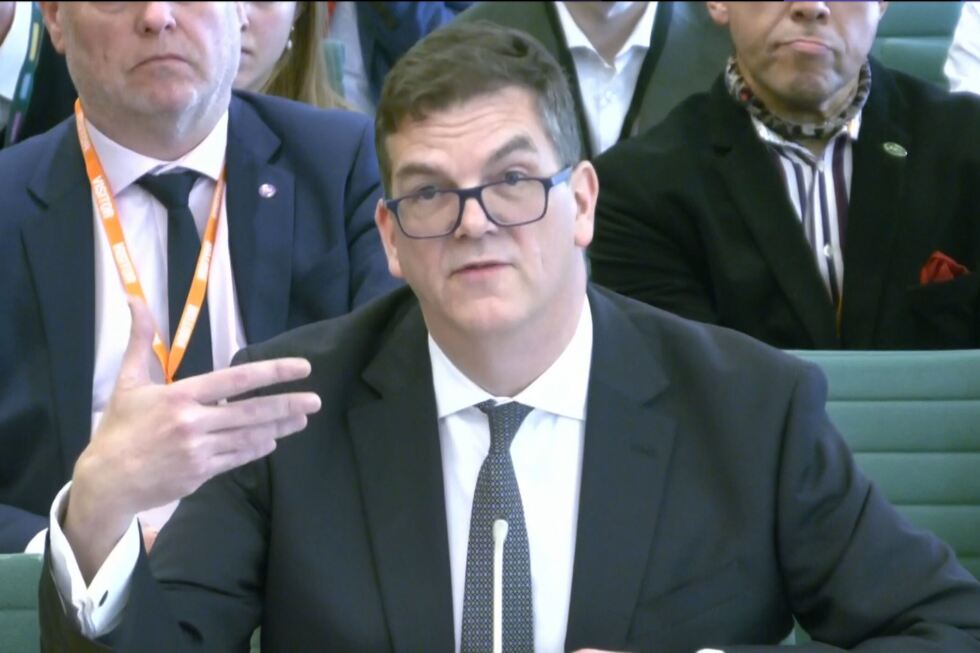
The former head of Britain’s foreign service testified Tuesday that Prime Minister Keir Starmer’s office pressured him to expedite the confirmation of Peter Mandelson as British ambassador to Washington, allegedly dismissing security concerns in the process.
Olly Robbins told the House of Commons Foreign Affairs Committee there was an “atmosphere of pressure” from 10 Downing Street to approve Mandelson’s appointment quickly so he could be in position at the start of U.S. President Donald Trump’s second term.
“There was a very, very strong expectation that Mandelson needed to be in post and in America as quickly as humanly possible,” Robbins stated, adding that Downing Street displayed “a generally dismissive attitude” toward rigorous security checks.
The testimony intensifies scrutiny on Starmer, who fired Robbins last week after revelations emerged that Mandelson received clearance for the diplomatic post in January 2025 against the recommendation of Britain’s security vetting agency.
Robbins revealed that the vetting agency considered Mandelson a “borderline case” and was “leaning toward recommending against” granting him security clearance. Nevertheless, Robbins approved the appointment based on advice that potential risks could be managed. He declined to explain the specific security concerns to lawmakers, though he clarified they were unrelated to Mandelson’s friendship with Jeffrey Epstein.
Mandelson carries significant political baggage, having resigned twice from previous Labour governments over money and ethics scandals. A separate background report had flagged his potential business connections to Russia and China as concerning before his appointment.
Starmer has claimed ignorance about these security concerns, saying he only learned of them last week. Robbins countered that strict protocols prohibit sharing details of sensitive vetting processes except in “exceptional circumstances.”
The prime minister announced Mandelson as his choice for ambassador in December 2024, before comprehensive security checks were completed. Robbins admitted feeling pressure, acknowledging that rejecting Mandelson’s security clearance would have created “a real problem for the government and a problem for the country” in its relations with the Trump administration.
Though Robbins avoided naming specific individuals behind the pressure, Morgan McSweeney, Starmer’s chief of staff and a known Mandelson protégé, resigned in February, accepting responsibility for the appointment decision.
The scandal has provided political ammunition for opposition leaders. Conservative Party leader Kemi Badenoch declared that Starmer “personally decided to appoint a serious known national security risk to our most sensitive diplomatic post,” adding: “The prime minister is not fit for office. It is time for him to go.”
While Starmer admitted poor judgment in selecting Mandelson, he insisted he would have withdrawn the appointment had he known about the failed security vetting. The prime minister ultimately fired Mandelson in September 2025, nine months into his tenure, after new details emerged about his friendship with Epstein, who died in prison in 2019 while facing sex trafficking charges.
Starmer has now ordered a review of security concerns stemming from Mandelson’s access to sensitive information during his brief ambassadorial stint.
The controversy adds to a growing list of missteps by Starmer since leading Labour to a landslide victory in July 2024. Despite warnings from staff about “reputational risk” due to Mandelson’s connection with Epstein, Starmer proceeded with the appointment, apparently valuing Mandelson’s experience as a former EU trade chief and his elite global connections as assets for dealing with the Trump administration.
The scandal has deepened anxiety among Labour lawmakers already concerned about plummeting poll ratings. Though Starmer survived a potential crisis in February when some party members urged him to resign over the appointment, he faces another test with local and regional elections on May 7, which will provide voters an opportunity to deliver a midterm verdict on his government.
Rob Ford, professor of politics at the University of Manchester, noted the simple narrative that may resonate with voters: “Keir Starmer appointed Peter Mandelson. Peter Mandelson was a wrong-un and he hung out with Jeffrey Epstein.” Ford called the situation “disastrous” for Starmer.
Mandelson remains under police investigation for suspected misconduct in public office after Epstein-related documents released by the U.S. Justice Department suggested he may have passed sensitive government information to Epstein in 2009, following the global financial crisis. British police arrested Mandelson in February, though he has denied wrongdoing and hasn’t been charged with any offense.
Fact Checker
Verify the accuracy of this article using The Disinformation Commission analysis and real-time sources.

8 Comments
This is a complex issue, but the core concern seems to be about upholding proper security protocols, even for high-profile appointments. The public deserves to have confidence that sensitive roles are filled through a fair and transparent process.
Interesting to hear about the political pressure alleged in this case. Rushing through security checks for sensitive diplomatic roles raises concerns. I wonder what the full context was and whether there are valid reasons for the urgency claimed by Downing Street.
Yes, this highlights the need for robust vetting processes, even for high-profile appointments. The public deserves to have confidence in the integrity of such positions.
This is a concerning development, if true. Rushing through sensitive appointments without due diligence could pose serious risks. I hope the full facts come to light so the public can judge whether proper protocols were followed.
Absolutely. Maintaining the integrity of the diplomatic service should be the top priority, not political maneuvering. This requires a thorough, impartial investigation.
The testimony about a dismissive attitude toward security checks is quite troubling. Proper vetting procedures should never be circumvented, even for politically connected individuals. Transparency and accountability are vital in these matters.
I agree. The public interest must come before political expediency when it comes to senior diplomatic roles. Hopefully this case leads to a closer examination of the decision-making process.
The alleged pressure from Downing Street is troubling. Diplomatic postings must be subject to rigorous security checks, regardless of the individual’s political connections. I hope this case leads to reforms to strengthen the independence of the vetting process.