


Listen to the article
California Angel Mom Condemns Proposed Bill for Taxpayer-Funded Legal Defense of Immigrants
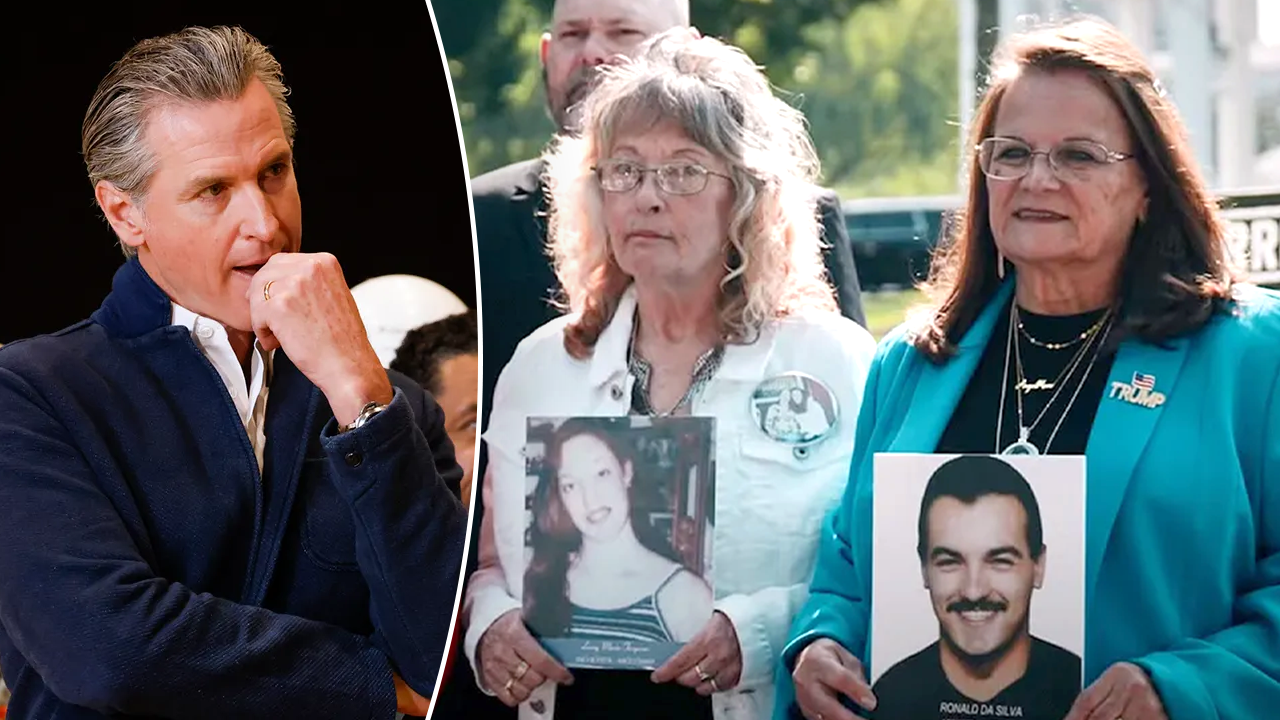
California Angel Mom Agnes Gibboney has spoken out forcefully against a bill currently being considered by state lawmakers that would provide taxpayer-funded legal representation to immigrants facing deportation, regardless of their legal status.
Gibboney, whose son Ronald da Silva was shot and killed by an undocumented immigrant gang member in 2002, blasted Governor Gavin Newsom and California Democrats in a recent interview with Fox News Digital, claiming they prioritize immigrants over citizens.
“My son was murdered,” Gibboney said. “Not one politician has ever contacted me. Not one politician said, ‘I’m so sorry that this previously deported criminal illegal alien shot and killed your son.’ Not one of them.”
The controversial bill, introduced in February by Democratic Assemblymember Mia Bonta, would expand existing state programs by creating a framework to provide attorneys to adults in immigration court. Priority would be given to those in detention. The measure has advanced out of two Assembly policy committees and is currently under review in the Assembly Appropriations Committee.
Gibboney expressed particular frustration with Governor Newsom, claiming she has sent him “many, many emails” since losing her son but has “never once” received a response, “not even from his office, much less from Newsom.”
While Newsom has not indicated whether he would sign the bill into law, he has previously approved legislation creating and expanding a state-funded legal aid program for unaccompanied immigrant children in deportation proceedings.
The proposed expansion comes at a time when California faces significant financial challenges. Gibboney highlighted the state’s fiscal problems: “California is about three to 400 billion, with a ‘B,’ dollars in debt. How is that possible? How much more can you milk us citizens?”
The bill has drawn sharp criticism from advocacy groups like The American Border Story, which represents families of victims of migrant crime. Earlier this month, the organization condemned the measure as “a grave affront to Angel Families across the country” and argued it “actively incentivizes illegal immigration.”
However, supporters like Abraham Bedoy, manager of California policy and government affairs for the Immigrant Legal Resource Center, defend the bill as “another important step in our state’s strong trajectory towards universal legal representation.” In a March statement, Bedoy said that “increasing immigrant legal defense is critical to address the mass deportations, unprecedented numbers of people held in detention, and indiscriminate arrests devastating families, communities, and our economy across our state.”
While the bill does not explicitly outline all its exclusions, existing California policy suggests immigrants with certain criminal histories could be excluded or deprioritized under any expanded program. California has previously limited state-funded legal aid for individuals with serious or violent felony convictions.
Assemblymember Bonta, who represents the Oakland area, has framed her bill as ensuring “every Californian’s right to a fair hearing.” In March, she stated, “Every person deserves their day in court, with a lawyer by their side. In California, thousands of our neighbors are being swept into one of the most complex legal systems in the country, often in a second language, without an attorney or a fair shot.”
Bonta specifically criticized what she called the Trump administration’s “mass deportation machine,” saying it is “accelerating that injustice.”
Gibboney countered that California should redirect such funds to address other pressing state needs: “Use it for our education, which is failing… Use it for the veterans for better healthcare and for the seniors for better healthcare.”
Ronald da Silva was 29 years old when he was killed and the father of two children, then ages eight and ten. Gibboney emphasized the permanent nature of her loss: “The media usually doesn’t talk about that kind of family separations, six feet of dirt in a coffin. But they talk about the ones that are deported to their country, where they can go back and visit and be reunited. I can never be reunited with my son.”
California’s debate over this legislation unfolds against a backdrop of broader tensions between sanctuary states and federal immigration enforcement priorities, with critics arguing that such policies undermine public safety while advocates maintain they protect immigrant communities and preserve due process rights.
Fact Checker
Verify the accuracy of this article using The Disinformation Commission analysis and real-time sources.

8 Comments
While the proposed bill seems well-intentioned, the concerns raised by the Angel Mom deserve serious consideration. The safety and wellbeing of citizens should be a top priority. However, the legal rights of immigrants also need to be respected. Striking the right balance is the challenge facing policymakers.
This is a sensitive and contentious issue where reasonable people can disagree. I appreciate the Angel Mom sharing her personal perspective, which adds an important human element to the debate. At the same time, ensuring due process for all is a core democratic principle. There may be room for compromise that addresses multiple stakeholder interests.
Well said. These types of issues rarely have straightforward answers. Thoughtful dialogue and a willingness to understand different viewpoints are crucial for finding solutions that balance competing priorities and concerns.
This is a polarizing topic, but it’s valuable to hear the perspectives of those directly impacted, like the Angel Mom. Her pain and frustration are understandable. At the same time, there may be valid arguments for providing legal assistance to immigrants facing deportation proceedings. It’s a complex issue without simple solutions.
As someone interested in the intersection of politics, immigration, and criminal justice, I’m following this debate with interest. It touches on complex issues around public safety, civil liberties, and the role of government. I hope lawmakers can find a solution that is fair and promotes the wellbeing of all Californians.
Well said. These types of divisive policy issues rarely have easy answers. Seeking to understand different viewpoints and finding common ground is important, even if complete agreement proves elusive.
This is a sensitive and divisive issue. While I can understand the frustration of the Angel Mom, providing legal representation for immigrants facing deportation seems like a reasonable policy to ensure due process. There are likely nuances and perspectives on both sides worth considering.
You raise a fair point. Balancing the concerns of victims and the legal rights of immigrants is challenging. Thoughtful dialogue and compromise may be needed to find an approach that addresses multiple stakeholders.