


Listen to the article
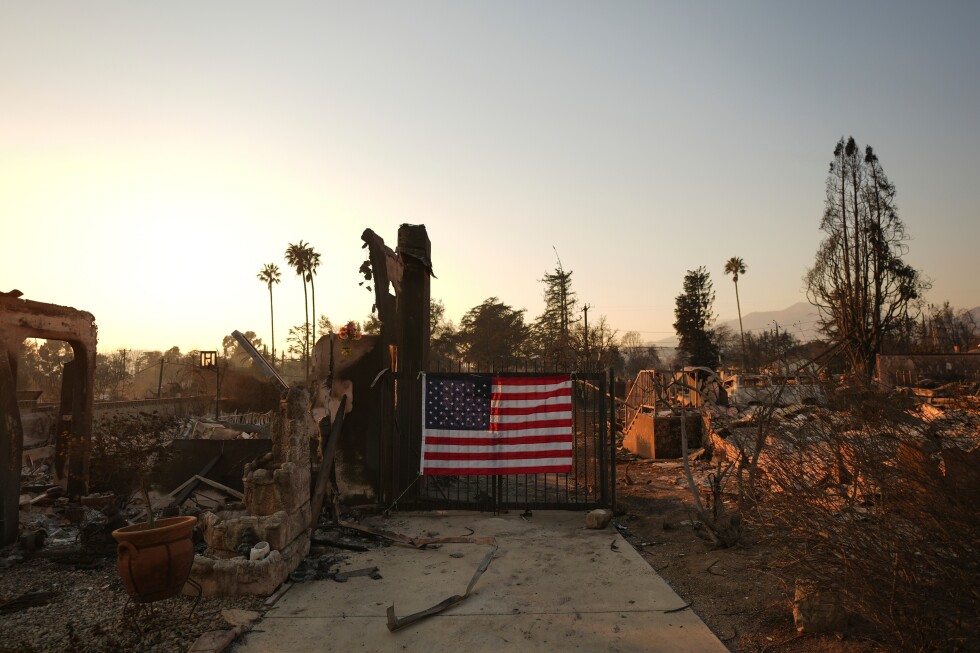
Thousands of survivors of the 2025 Eaton Fire in Altadena, California have opted for immediate settlements from the utility company implicated in causing the blaze, choosing faster compensation over prolonged litigation to help them rebuild their lives. However, these survivors now face an unexpected challenge: unless pending legislation passes through Congress, their settlement money could be subject to taxation as income.
“There was this terrifying disbelief,” said Bree Jensen, communications director for the Eaton Fire Long-Term Recovery Group, describing the moment when residents learned about the potential tax burden.
The issue extends beyond California, affecting wildfire victims in Colorado, Hawaii, and Oregon following the expiration of a tax exemption on wildfire-related compensation at the end of 2025. While Congress has previously protected such settlements from taxation, these measures were temporary and difficult to enact, creating gaps that leave some survivors facing substantial tax liabilities on their compensation.
One Altadena homeowner, who requested anonymity to avoid complications with her expected $700,000 settlement, fears losing 37% of that amount to taxes. “We have to assume we don’t have that money, so we’re making decisions, choosing cheaper materials, forgoing the solar,” she explained. After spending over a year moving between relatives’ homes and rental properties with her husband and four pets, she had hoped the settlement would expedite their return home, despite construction costs estimated at $1 million.
As Congress remains embroiled in other pressing issues including tensions with Iran and the Department of Homeland Security shutdown, survivors worry that disaster tax relief will be deprioritized. Jenn Kaaoush, a 2021 Marshall Fire survivor and town council member in Superior, Colorado, noted, “People have low expectations of anything actually getting done.”
In recent years, utility equipment has been linked to some of the deadliest and most destructive fires, leading to multibillion-dollar settlements that typically take years to resolve. With rising construction costs and increasingly expensive and limited insurance coverage, these legal compensations have become essential for rebuilding efforts.
“It’s the difference between towns getting rebuilt and not getting rebuilt, quite frankly,” said attorney Doug Boxer, who has represented over 17,000 Californians in cases against utilities and is part of the LA Fire Justice coalition currently suing Southern California Edison (SCE) and its parent company, Edison International.
SCE and Edison International have acknowledged their power equipment may have ignited the Eaton Fire, which destroyed 9,000 structures and killed 19 people. The utility established a compensation program offering expedited payments based on loss valuation, plus a premium for those who choose not to litigate. More than 2,800 households have applied for this program, while thousands more have joined lawsuits against the company. Investigators continue to examine the fire’s cause.
“It sounds like a lot of money, but not in regards to how expensive it is to actually build in the community,” Jensen added, emphasizing that households cannot afford to lose a significant portion of their payments to taxes.
A bipartisan bill unanimously approved by the House Ways and Means Committee last month would exempt payments related to federally declared wildfire disasters from 2015 through 2026 from taxable income. This would apply to payouts received in 2026 and beyond. The legislation would also extend expanded tax relief for property losses from federal disasters through this year, a provision that helped secure bipartisan support from lawmakers representing states vulnerable to various extreme weather events.
Florida Republican Rep. Greg Steube, who championed the 2024 tax relief bill and introduced its successor with bipartisan support, told The Associated Press he expects the legislation to pass eventually, though “the exact timeline remains uncertain.”
Two similar bills have been introduced in the Senate, but they have yet to advance further.
Jennifer Gray Thompson, executive director of the survivor advocacy nonprofit After The Fire, believes lawmakers understand the bipartisan nature of disaster tax relief. “As these disasters come in quick succession, we are going to have to adapt on all levels, and our tax code will have to adapt along with it,” she said, though she remains uncertain about when action will occur.
The issue extends to Maui residents awaiting payments from a $4 billion settlement with Hawaiian Electric. With only about 180 homes rebuilt among 2,200 destroyed structures in Lahaina, Maui County Mayor Richard Bissen emphasized in a letter to lawmakers that survivors need “certainty” above all else.
In Superior, Colorado, while most destroyed homes have been rebuilt, Kaaoush noted that survivors are still recovering financially after finding themselves underinsured. She also expressed concern that wildfire payments counted as income could disqualify her constituents from income-based government benefits for food, healthcare, or veterans’ support.
“This has second- and third-order impacts on their life that will do harm,” Kaaoush warned.
Gray Thompson added that while tax issues might be resolved through deferred taxes or amended returns, problems with government program eligibility, such as college financial aid, are much harder to address: “There’s no way to undo that.”
For many Altadena residents, this potential tax burden represents yet another obstacle to returning home. One resident who lost his house and requested anonymity due to ongoing litigation simply stated that being taxed “would just add more pain and suffering for us, really.”
Fact Checker
Verify the accuracy of this article using The Disinformation Commission analysis and real-time sources.

11 Comments
It’s alarming that the tax exemption on wildfire payouts expired at the end of 2025. That seems incredibly shortsighted given the growing threat of climate change-fueled wildfires. Congress should make these exemptions permanent to provide real stability and relief for victims.
The potential 37% tax on a $700K settlement is a huge burden for this Altadena homeowner. Wildfires are already incredibly traumatic, the last thing these survivors need is to lose a big chunk of their compensation to the IRS. Congress needs to close these tax loopholes.
Absolutely, that’s an enormous tax liability that could really set back their recovery efforts. Lawmakers should prioritize protecting disaster victims from these kinds of financial setbacks.
This situation underscores the importance of clear, equitable policies to support disaster recovery. Wildfire survivors shouldn’t have to worry about surprise tax bills on top of everything else they’re dealing with. Lawmakers need to prioritize protecting these vulnerable communities.
Absolutely. These victims have already been through so much, they shouldn’t face further financial hardship due to gaps in the tax code. Consistent, reliable disaster relief policies are essential.
This highlights the need for more comprehensive, long-term policy solutions to support wildfire survivors. Temporary fixes are not enough – clear, consistent tax rules are crucial to ensure victims can rebuild without unexpected financial burdens.
Exactly, patchwork legislation isn’t sufficient when natural disasters are becoming more frequent and devastating. Lawmakers need to take a more proactive, durable approach to protecting disaster victims’ recovery funds.
Tough situation for these wildfire victims. Accepting a quick settlement was understandable given the urgency to rebuild, but it’s unfortunate they now face unexpected tax bills. Hopefully Congress acts to protect these payouts from taxation and provide more long-term support.
Agreed, the lack of clear and consistent tax policies for disaster relief payouts is really unfair to the victims. They should not be penalized for taking the quickest route to get back on their feet.
It’s concerning to hear this issue extends beyond California to other states as well. Wildfire victims across the country are facing this unpredictable tax situation through no fault of their own. Congress needs to provide more permanent, reliable tax exemptions for disaster relief funds.
The plight of these wildfire victims is really heartbreaking. They made tough decisions to accept fast payouts in order to start rebuilding, and now they’re facing this unexpected tax burden. Congress needs to step up and provide the support and protections these communities desperately need.